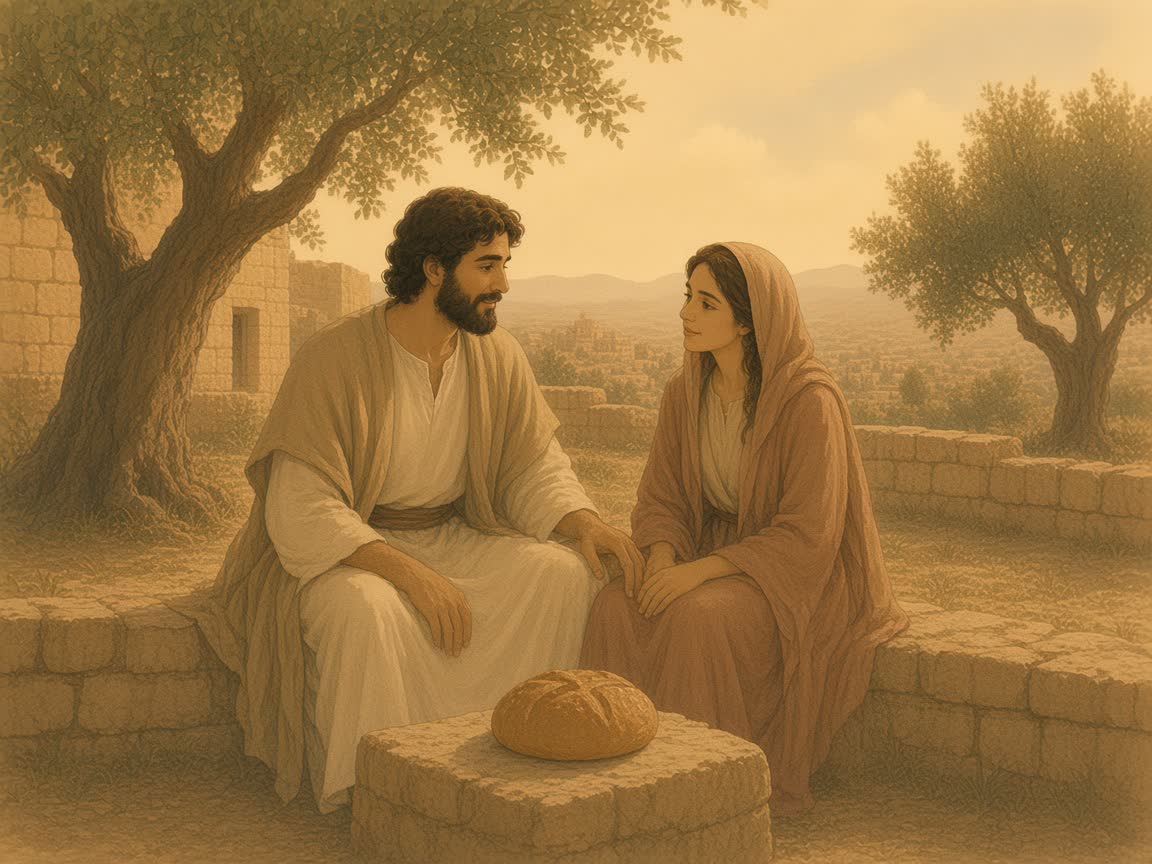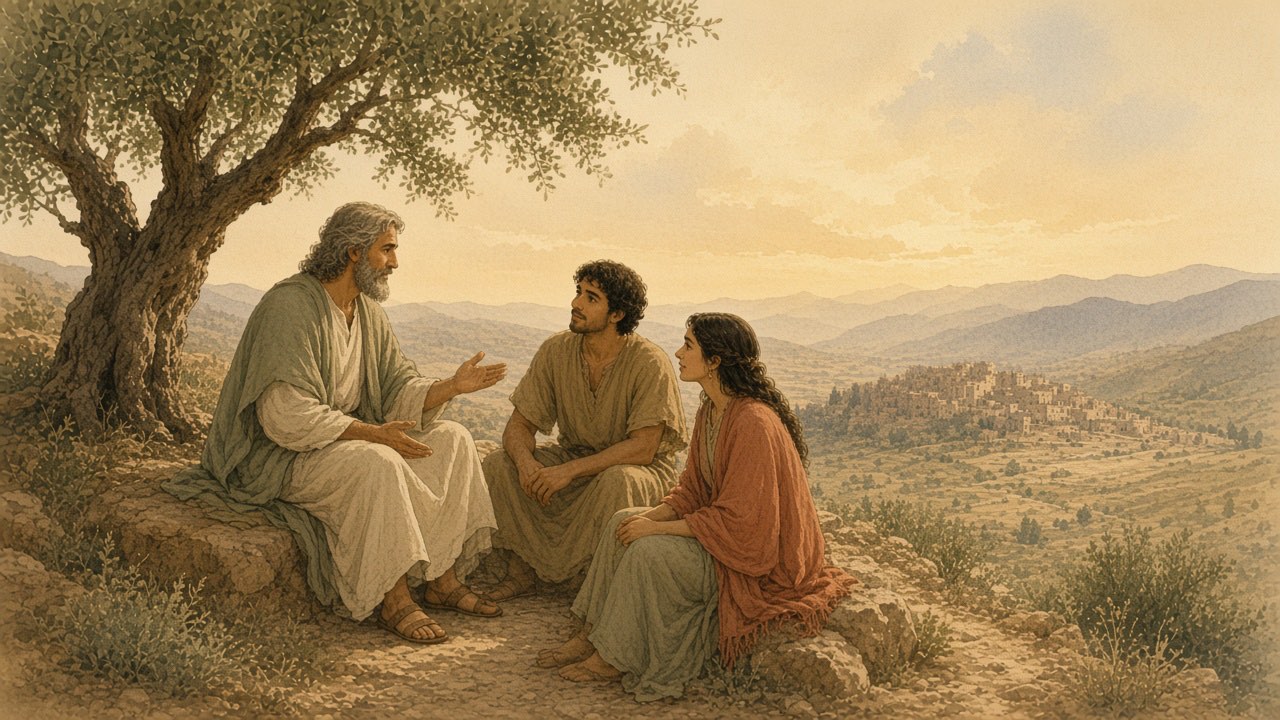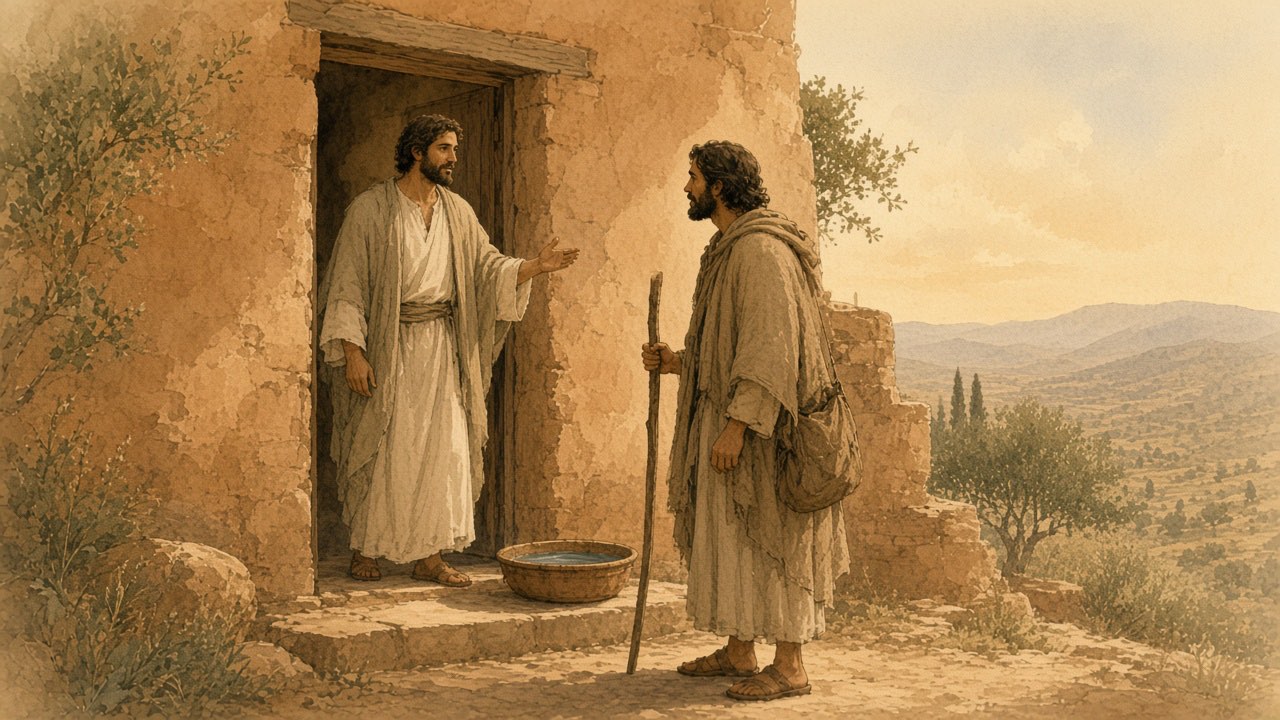
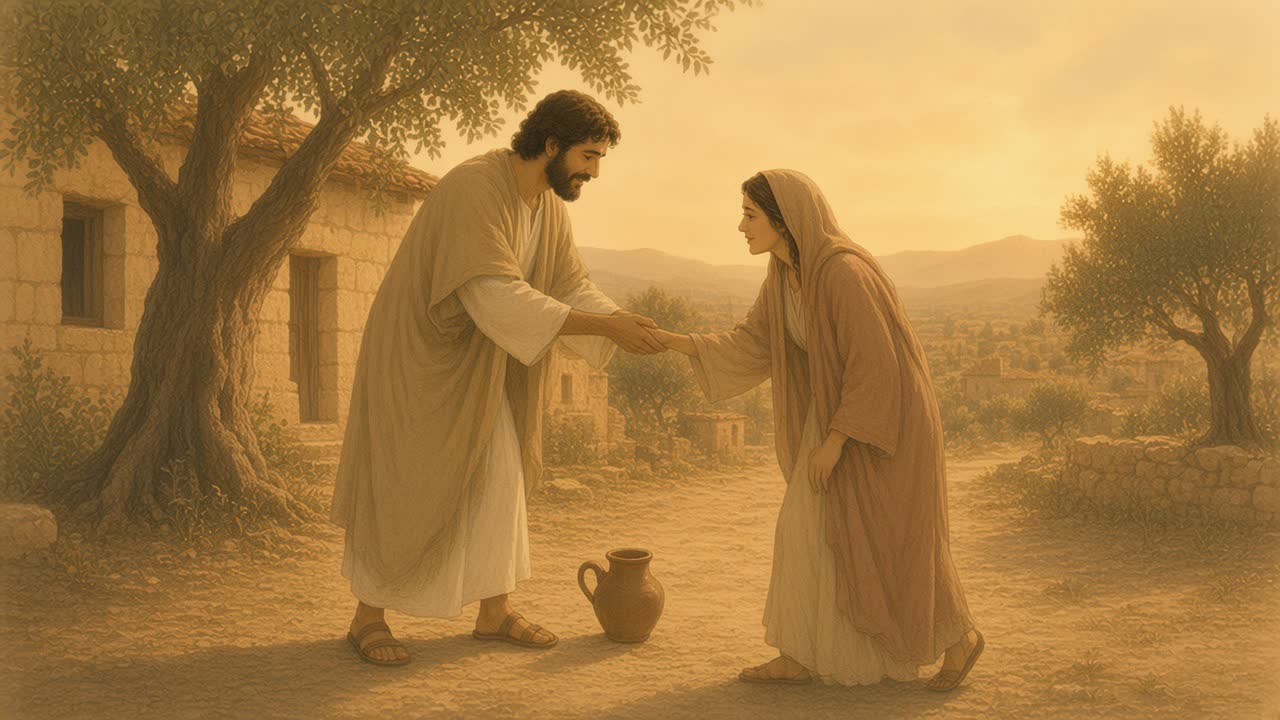
"Be kind and compassionate to one another, forgiving each other, just as in Christ God forgave you."
— Ephesians 4:32 (NIV)
The Bible says God forgives, and that his people forgive because they have been forgiven. It says he does not treat us as our sins deserve, and that he removes transgressions as far as the east is from the west. It says if we confess our sins, he is faithful and just and will forgive us. It says forgive other people when they sin against you, not seven times only but seventy-seven times, and forgive as the Lord forgave you. Love keeps no record of wrongs. The longer study is Love and forgiveness. This page is the answer.
Free PDF
Get the free 30 Days of Love Verses PDF
Sign up for the daily Bible verse email, and get the free 30 Days of Love Verses PDF. 30 Days of Love Verses · Open the PDF
God forgives
Forgiveness in Scripture starts with God, not with a technique for letting go. Psalm 103:10-12 says, "He does not treat us as our sins deserve or repay us according to our iniquities. For as high as the heavens are above the earth, so great is his love for those who fear him; as far as the east is from the west, so far has he removed our transgressions from us." The distance is the point. East and west do not meet.
"If we confess our sins, he is faithful and just and will forgive us our sins and purify us from all unrighteousness" (1 John 1:9). The verse names confession. It also names God's character: faithful and just. Forgiveness is not God pretending the sin was small. It is God dealing with it.
Jesus prays from the cross, "Father, forgive them, for they do not know what they are doing" (Luke 23:34). The people he prays for have not asked. The prayer is his. Love and mercy and Love and grace stay with that gift. The love that moved toward sinners before they moved toward God is What does the Bible say about unconditional love.
Forgive as you have been forgiven
The command to forgive other people is tied to the forgiveness already received. Ephesians 4:32 says forgive "just as in Christ God forgave you." Colossians 3:13 says the same thing in fewer words: "Bear with each other and forgive one another if any of you has a grievance against someone. Forgive as the Lord forgave you." The measure is the Lord's forgiveness, not the size of the grievance you feel able to carry. Colossians 3:14 meaning stays with the love that binds those virtues.
Jesus puts the same order in the Sermon on the Mount. "For if you forgive other people when they sin against you, your heavenly Father will also forgive you. But if you do not forgive others their sins, your Father will not forgive your sins" (Matthew 6:14-15). He has just taught the disciples to pray, "Forgive us our debts, as we also have forgiven our debtors" (Matthew 6:12). The prayer and the warning belong together.
Peter asks how far this goes. "Lord, how many times shall I forgive my brother or sister who sins against me? Up to seven times?" Jesus answered, "I tell you, not seven times, but seventy-seven times" (Matthew 18:21-22). The number is not a quota. It refuses a quota. Love and forgiveness walks through that teaching at length.
Forgiveness, truth, and peace
Love "keeps no record of wrongs" and "does not delight in evil but rejoices with the truth" (1 Corinthians 13:5-6). Dropping the ledger is not the same as calling a wrong good. 1 Corinthians 13:4-7 meaning stays with both lines. Peter says, "Above all, love each other deeply, because love covers over a multitude of sins" (1 Peter 4:8). 1 Peter 4:8 meaning stays with covering ordinary offenses inside the church.
Peace is commanded with a clause. "If it is possible, as far as it depends on you, live at peace with everyone" (Romans 12:18). Forgiveness releases a debt. Reconciliation is the further work of living at peace when both sides can walk that way. Love and reconciliation stays with that further work. Love and peace stays with the sentence in Romans.
The love these commands answer is described in What does the Bible say about love. The way forgiven people treat one another across a whole relationship, not only after a single wrong, is What does the Bible say about relationships.
Questions people ask
What does the Bible say about forgiveness?
The Bible says God forgives those who confess their sins, and that he removes transgressions as far as the east is from the west. It says his people forgive one another just as in Christ God forgave them, not seven times only but seventy-seven times. Love keeps no record of wrongs and still rejoices with the truth. The longer study is Love and forgiveness.
What does the Bible say about God forgiving us?
Psalm 103:10-12 says God does not treat us as our sins deserve, and that he removes our transgressions as far as the east is from the west. 1 John 1:9 says if we confess our sins, he is faithful and just and will forgive us and purify us. Luke 23:34 shows Jesus praying, "Father, forgive them," from the cross.
How many times does the Bible say to forgive?
Peter offers seven times. Jesus answers, "not seven times, but seventy-seven times" (Matthew 18:21-22). The point is that forgiveness is not a count you finish. Colossians 3:13 gives the measure in a different form: forgive as the Lord forgave you.
What is a short Bible verse about forgiveness?
Ephesians 4:32: "Be kind and compassionate to one another, forgiving each other, just as in Christ God forgave you." Colossians 3:13 is the pair: "Forgive as the Lord forgave you." Both verses put God's forgiveness first and the command second.
Does forgiveness mean the relationship goes back to what it was?
Forgiveness releases the debt. It is not the same sentence as trust, and it is not delight in what is evil. Romans 12:18 says live at peace with everyone as far as it depends on you. Where both people can walk that way, Love and reconciliation is the further work. 1 Corinthians 13:6 still says love rejoices with the truth.