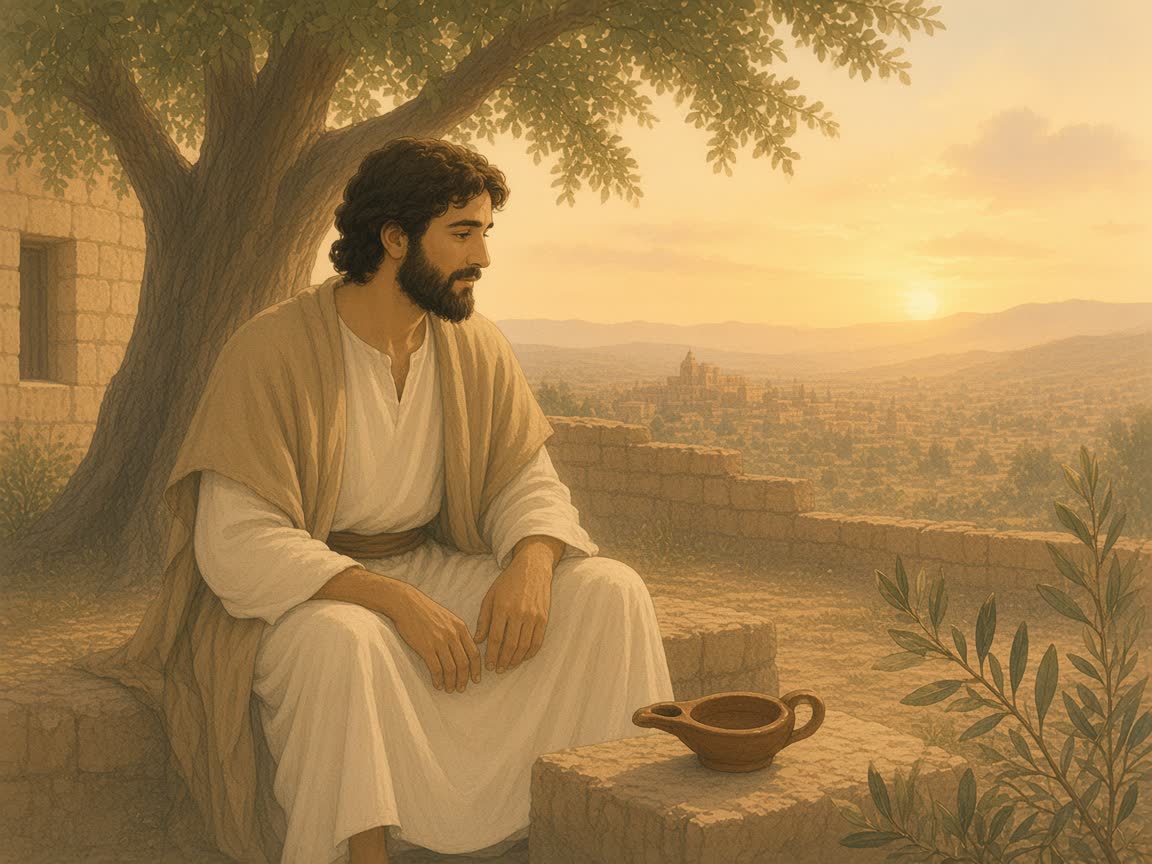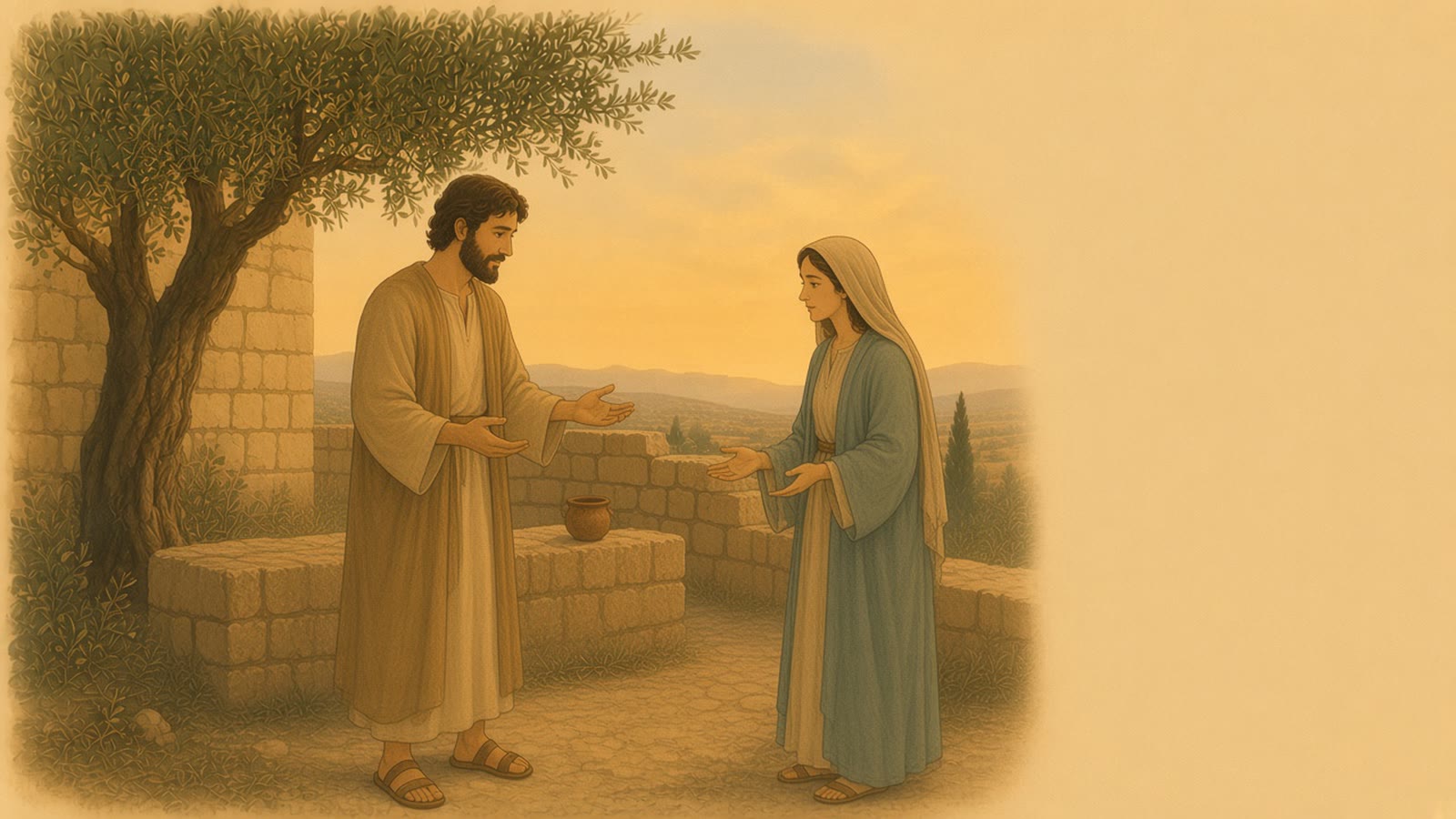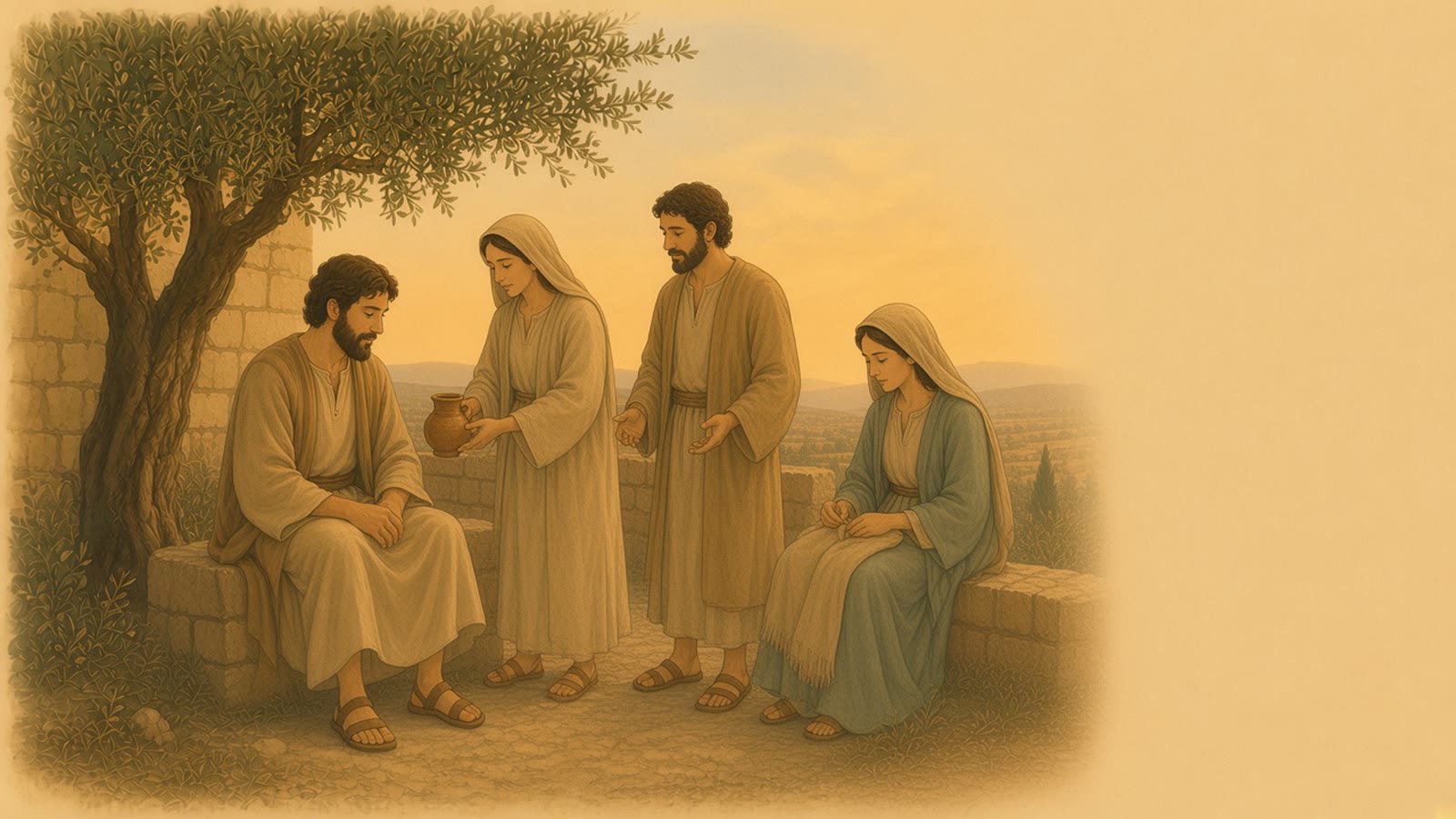
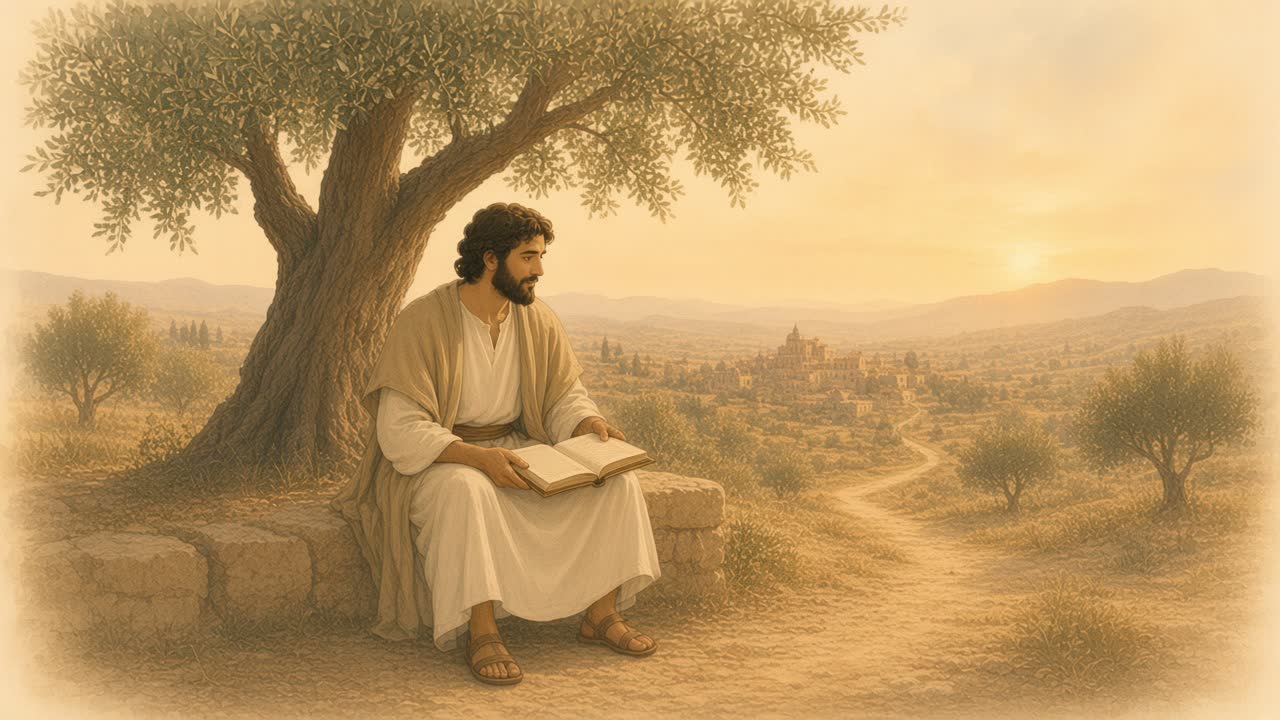
"But God demonstrates his own love for us in this: While we were still sinners, Christ died for us."
— Romans 5:8 (NIV)
The Bible does not use the phrase "unconditional love." It says something more specific. God demonstrates his own love in this: while we were still sinners, Christ died for us. He loved the world by giving his one and only Son. This is love: not that we loved God, but that he loved us and sent his Son. Paul is convinced that nothing in all creation will be able to separate us from the love of God that is in Christ Jesus our Lord. The love is not earned by the person who receives it, and for those in Christ it is not withdrawn by anything created. Romans 5:8 stays with the demonstration. 1 John 4:8 meaning stays with the nature. This page is the answer.
Free PDF
Get the free 30 Days of Love Verses PDF
Sign up for the daily Bible verse email, and get the free 30 Days of Love Verses PDF. 30 Days of Love Verses · Open the PDF
While we were still sinners
Romans 5:8 dates the love. "While we were still sinners" is the timing. Christ did not die for people who had already cleaned themselves up. The demonstration happens before the person deserves it. God's love in Romans 5:8 stays on that verse.
Ephesians says the same timing in the language of death and mercy. "But because of his great love for us, God, who is rich in mercy, made us alive with Christ even when we were dead in transgressions" (Ephesians 2:4-5). Dead people do not contribute the life. The love is the reason they are made alive.
John defines the word from God's side. "This is love: not that we loved God, but that he loved us and sent his Son as an atoning sacrifice for our sins" (1 John 4:10). A few verses later the order is repeated: "We love because he first loved us" (1 John 4:19). Our love is the answer. It is not the condition that starts his. 1 John 4:19 stays with that order. John 3:16 tells the gift in the Gospel: "For God so loved the world that he gave his one and only Son, that whoever believes in him shall not perish but have eternal life." John 3:16 meaning stays with the giving.
Nothing in creation can separate it
The close of the argument is assurance. "For I am convinced that neither death nor life, neither angels nor demons, neither the present nor the future, nor any powers, neither height nor depth, nor anything else in all creation, will be able to separate us from the love of God that is in Christ Jesus our Lord" (Romans 8:38-39). The list is meant to be too wide to escape. Romans 8:38-39 meaning stays with that claim.
The prophets say the love is not a mood that expires. "I have loved you with an everlasting love; I have drawn you with unfailing kindness" (Jeremiah 31:3). In grief, Lamentations says, "Because of the LORD's great love we are not consumed, for his compassions never fail. They are new every morning" (Lamentations 3:22-23). Everlasting, unfailing, new every morning: that is the Bible's way of saying the love does not depend on the steadiness of the person who receives it.
What the word does not mean
People use "unconditional" to mean approval of whatever someone chooses. Scripture does not. 1 John 4:8 says God is love, and the next verses show that love in a Son sent as an atoning sacrifice, not in a refusal to name sin. 1 John 4:8 meaning keeps the sentence from becoming a slogan. Love "does not delight in evil but rejoices with the truth" (1 Corinthians 13:6). 1 Corinthians 13:4-7 meaning stays with that portrait.
The promise in Romans 8 is for people in Christ. It is not a claim that rejecting Christ and trusting Christ are the same place. Romans 8:38-39 meaning keeps that limit. John 3:16 still ties eternal life to believing.
God's love and a person's love are different sentences. The love we are commanded to practice is patient, kind, and without a ledger of wrongs. It can fail in our hands. The love that holds a believer does not. The direct answer on the commanded love is What does the Bible say about love. How that love is lived with other people is What does the Bible say about relationships. Releasing a real wrong, which is not the same as God's love ignoring it, is What does the Bible say about forgiveness.
Questions people ask
What does the Bible say about unconditional love?
The Bible does not use that phrase. It says God showed his love while we were still sinners, by Christ's death (Romans 5:8). It says he loved us before we loved him (1 John 4:10, 1 John 4:19). It says nothing in all creation can separate his people from the love of God in Christ (Romans 8:38-39). That is love given before it is earned and not cut off by anything created.
Is unconditional love in the Bible?
The words "unconditional love" are not a Bible verse. The teaching is. Romans 5:8, Ephesians 2:4-5, 1 John 4:10, John 3:16, and Romans 8:38-39 all say God's love moves first and, for those in Christ, holds. Jeremiah 31:3 calls it an everlasting love.
What Bible verse talks about unconditional love?
Romans 5:8 is the verse people usually mean: "But God demonstrates his own love for us in this: While we were still sinners, Christ died for us." Romans 8:38-39 is the verse about that love not being separated from us. Romans 5:8 and Romans 8:38-39 meaning stay with those two texts.
Does unconditional love mean God approves of everything?
No. The love in 1 John 4:10 is an atoning sacrifice for sins, which treats sin as real. 1 Corinthians 13:6 says love does not delight in evil but rejoices with the truth. "God is love" does not hand the word to whatever people want approved. 1 John 4:8 meaning stays with that distinction.
Can anything separate us from God's love?
Paul says no created thing can. Death, life, angels, demons, the present, the future, powers, height, depth, and anything else in all creation fail at the same point (Romans 8:38-39). The love is the love of God that is in Christ Jesus our Lord. Romans 8:38-39 meaning is the full reading of that claim.