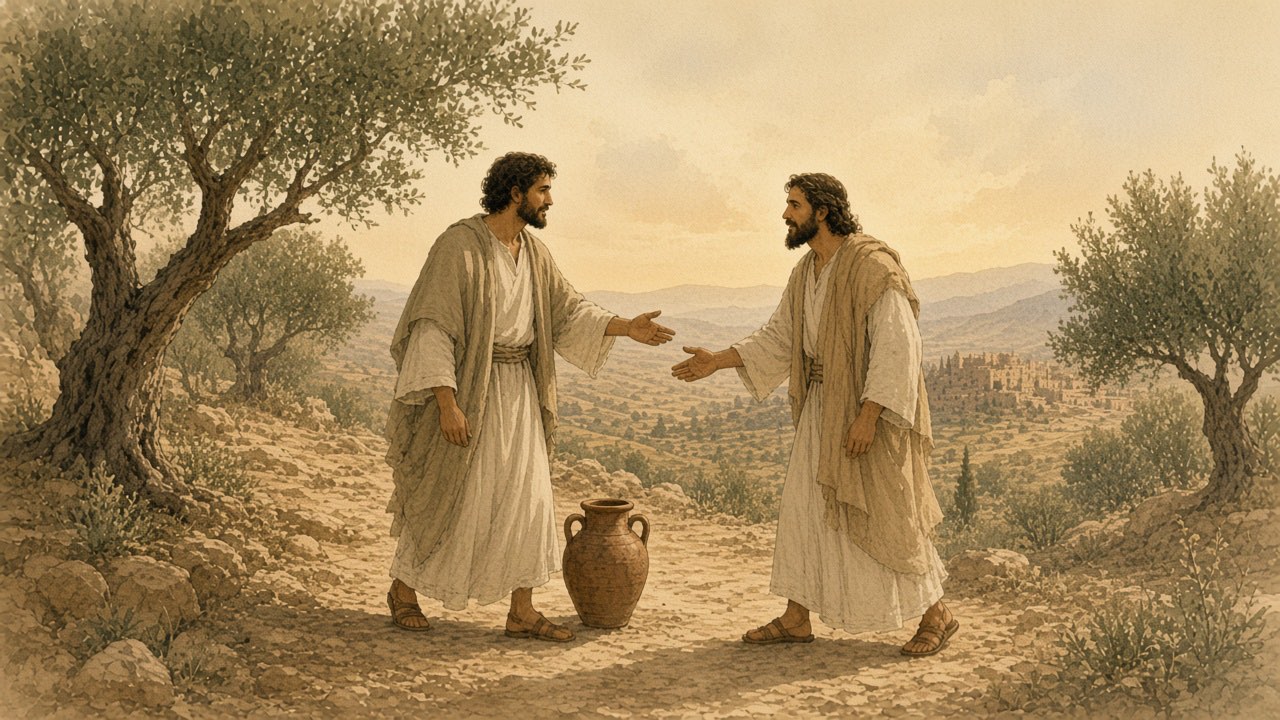
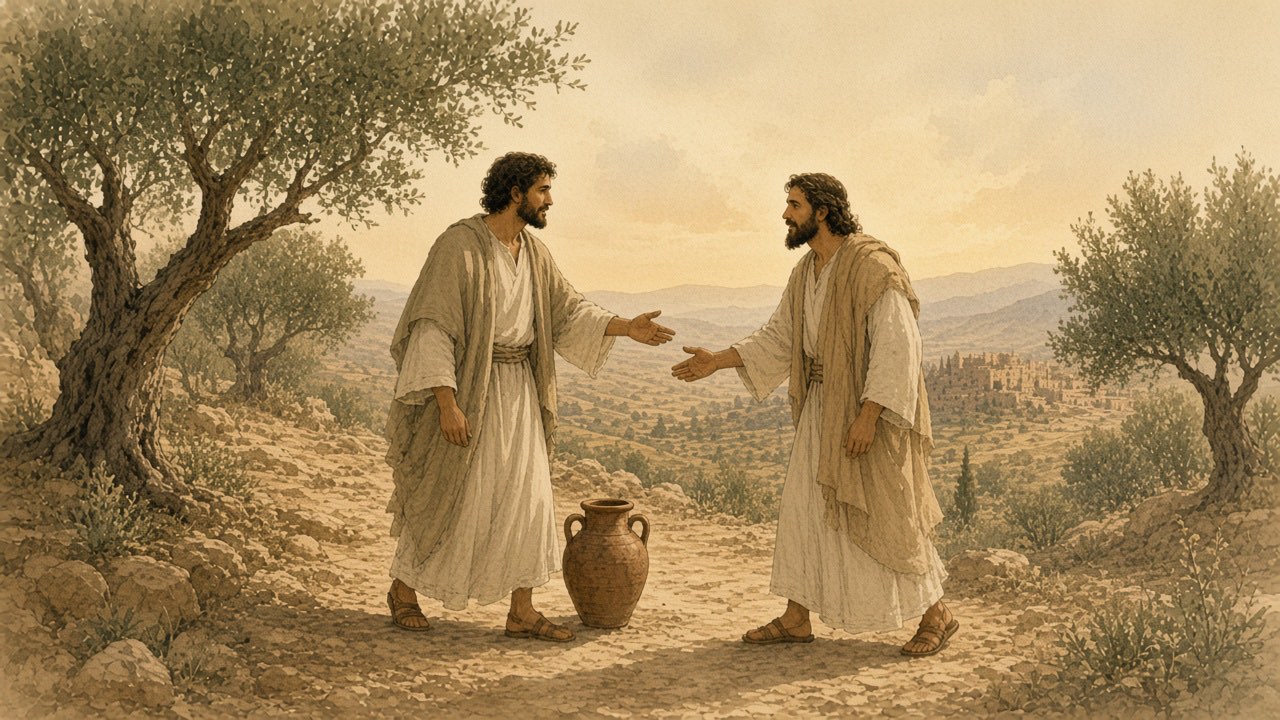
"Bear with each other and forgive one another if any of you has a grievance against someone. Forgive as the Lord forgave you."
— Colossians 3:13 (NIV)
Colossians 3:13 is the "forgive as the Lord forgave you" verse, Paul's short instruction for living with people who have hurt you. This page gives the verse, what the key words mean, where it sits in Colossians 3, and a plain reading. For more on the theme, see Bible verses about forgiveness, Forgiveness and love: Colossians, and Love and forgiveness.
Free PDF
Get the free 30 Days of Love Verses PDF
Sign up for the daily Bible verse email, and get the free 30 Days of Love Verses PDF. 30 Days of Love Verses · Open the PDF
The verse
The King James reads: "Forbearing one another, and forgiving one another, if any man have a quarrel against any: even as Christ forgave you, so also do ye."
"Bear with" (KJV "forbearing") is anechomai (G430), to put up with or endure someone patiently. "Forgive" is charizomai (G5483), to give freely or graciously pardon, a word built on charis, grace. "Grievance" (KJV "quarrel") is momphē (G3437), a complaint or cause for blame against someone.
Where it sits in Colossians 3
The verse before it is a list of clothes to put on: "Therefore, as God's chosen people, holy and dearly loved, clothe yourselves with compassion, kindness, humility, gentleness and patience" (Colossians 3:12). Verse 13 shows what those clothes look like when someone wrongs you.
The next verse finishes the outfit: "And over all these virtues put on love, which binds them all together in perfect unity" (Colossians 3:14). Then: "Let the peace of Christ rule in your hearts, since as members of one body you were called to peace. And be thankful" (Colossians 3:15).
What the verse is saying
Paul names two things. Bearing with each other is for the everyday friction of living close to people: habits, moods, and differences that wear on you. Forgiving is for real wrongs, the times someone actually has a grievance.
The measure is the last line: "Forgive as the Lord forgave you." Paul does not say forgive when the other person earns it or apologizes well. He points back to how much the Lord forgave and asks believers to pass that on. Ephesians 4:32 says the same thing: "forgiving each other, just as in Christ God forgave you."
Questions people ask
What does Colossians 3:13 say?
In the NIV it says, "Bear with each other and forgive one another if any of you has a grievance against someone. Forgive as the Lord forgave you." The KJV says, "Forbearing one another, and forgiving one another, if any man have a quarrel against any: even as Christ forgave you, so also do ye."
What does "bear with each other" mean?
It means putting up with one another patiently. The Greek anechomai is about enduring people's faults and differences without giving up on them, which is part of the patience Paul lists in verse 12.
Does Colossians 3:13 mean I have to forget what happened?
The verse asks you to forgive, which means releasing the debt and not holding the wrong against the person. It does not say a wrong was not real, and it does not erase wisdom about trust going forward.
Why does Paul say "as the Lord forgave you"?
Because Christian forgiveness starts with God's forgiveness. People forgive as those who were forgiven first, so the Lord's forgiveness sets both the reason and the size of it.
What verses go with Colossians 3:13?
Ephesians 4:32 (forgive as God forgave you in Christ), Colossians 3:14 (put on love over everything), and Matthew 6:14-15 (forgive others as your Father forgives you) are close companions.