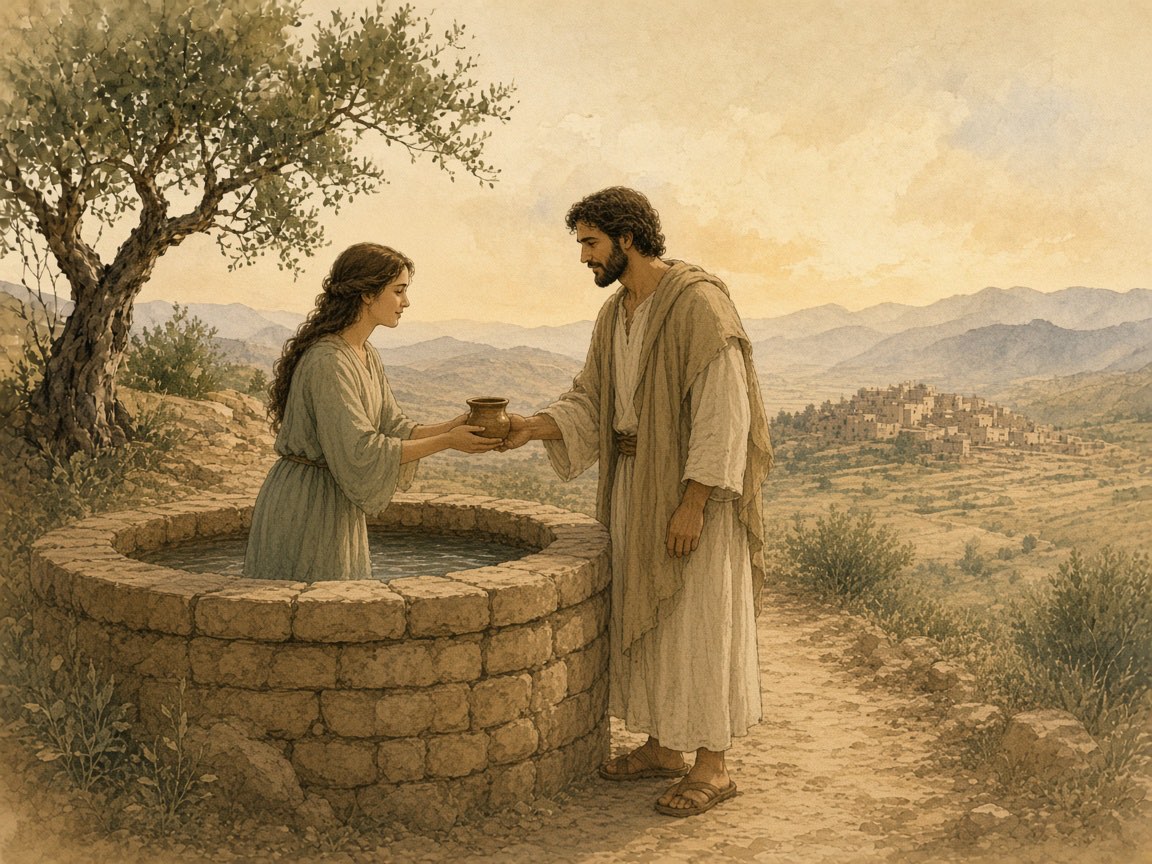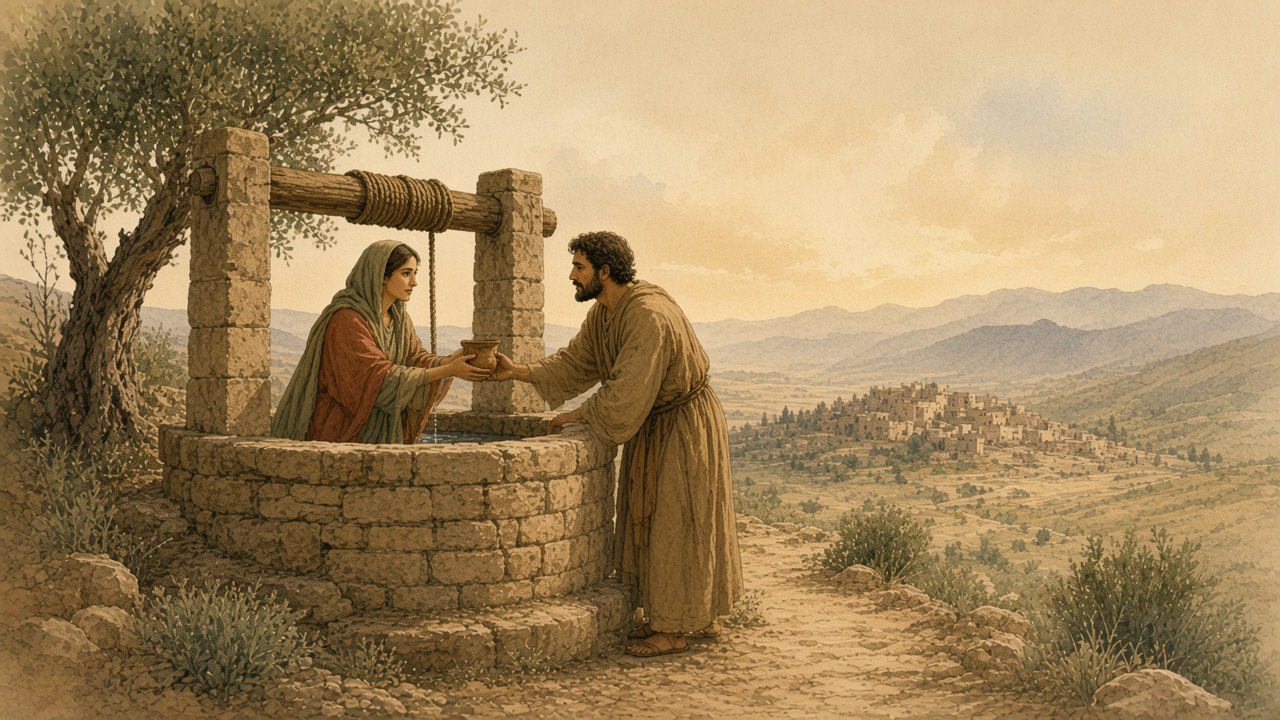
"The tongue has the power of life and death, and those who love it will eat its fruit."
— Proverbs 18:21 (NIV)
Proverbs 18:21 is the "death and life are in the power of the tongue" verse, one of the Bible's plainest statements about how much words matter. This page gives the verse, what the key words mean, where it sits in Proverbs 18, and a plain reading. For more on the theme, see Bible verses about speech, Bible verses about the tongue, and Love and speech.
Free PDF
Get the free 30 Days of Love Verses PDF
Sign up for the daily Bible verse email, and get the free 30 Days of Love Verses PDF. 30 Days of Love Verses · Open the PDF
The verse
The King James reads: "Death and life are in the power of the tongue: and they that love it shall eat the fruit thereof."
"Death" is maveth (H4194) and "life" is chay (H2416). "Power" is yad (H3027), literally "hand," so the line says death and life are in the tongue's hand. "Tongue" is lashon (H3956). "Love" is ahab (H157), and "fruit" is periy (H6529), the produce or result of something.
Where it sits in Proverbs 18
The verse right before it uses the same picture of a harvest: "From the fruit of their mouth a person's stomach is filled; with the harvest of their lips they are satisfied" (Proverbs 18:20). Earlier in the chapter, "To answer before listening—that is folly and shame" (Proverbs 18:13). The chapter keeps returning to the mouth, and verse 21 is its strongest line.
Other proverbs say the same thing in different ways: "The words of the reckless pierce like swords, but the tongue of the wise brings healing" (Proverbs 12:18), and "A gentle answer turns away wrath, but a harsh word stirs up anger" (Proverbs 15:1).
What the verse is saying
Words are not neutral. They can build a person up or tear them down, calm a fight or start one, give hope or take it away. The second half adds a warning: people who love to talk will live with the results of what they say, good or bad.
The verse is not a promise that speaking something makes it happen. It is wisdom about consequences. James makes the same point when he writes, "With the tongue we praise our Lord and Father, and with it we curse human beings, who have been made in God's likeness" (James 3:9), and Jesus says, "by your words you will be acquitted, and by your words you will be condemned" (Matthew 12:37).
Questions people ask
What does Proverbs 18:21 say?
In the NIV it says, "The tongue has the power of life and death, and those who love it will eat its fruit." The KJV says, "Death and life are in the power of the tongue: and they that love it shall eat the fruit thereof."
What does "eat its fruit" mean in Proverbs 18:21?
It means living with the results of your words. Verse 20 uses the same harvest picture: what comes out of your mouth comes back to you, for good or for harm.
Does Proverbs 18:21 mean words make things happen?
The verse is wisdom about the effects of speech, not a formula. Words shape relationships, reputations, and hearts, and the speaker shares in what they produce.
What does the Bible say about the power of words?
Proverbs 12:18 says reckless words pierce like swords but wise words heal. Ephesians 4:29 asks for words that build others up, and Colossians 4:6 asks for speech full of grace.
What verses go with Proverbs 18:21?
James 3:9-10 (blessing and cursing from the same mouth), Proverbs 15:1 (a gentle answer turns away wrath), and Matthew 12:36-37 (account for every careless word) are close companions.