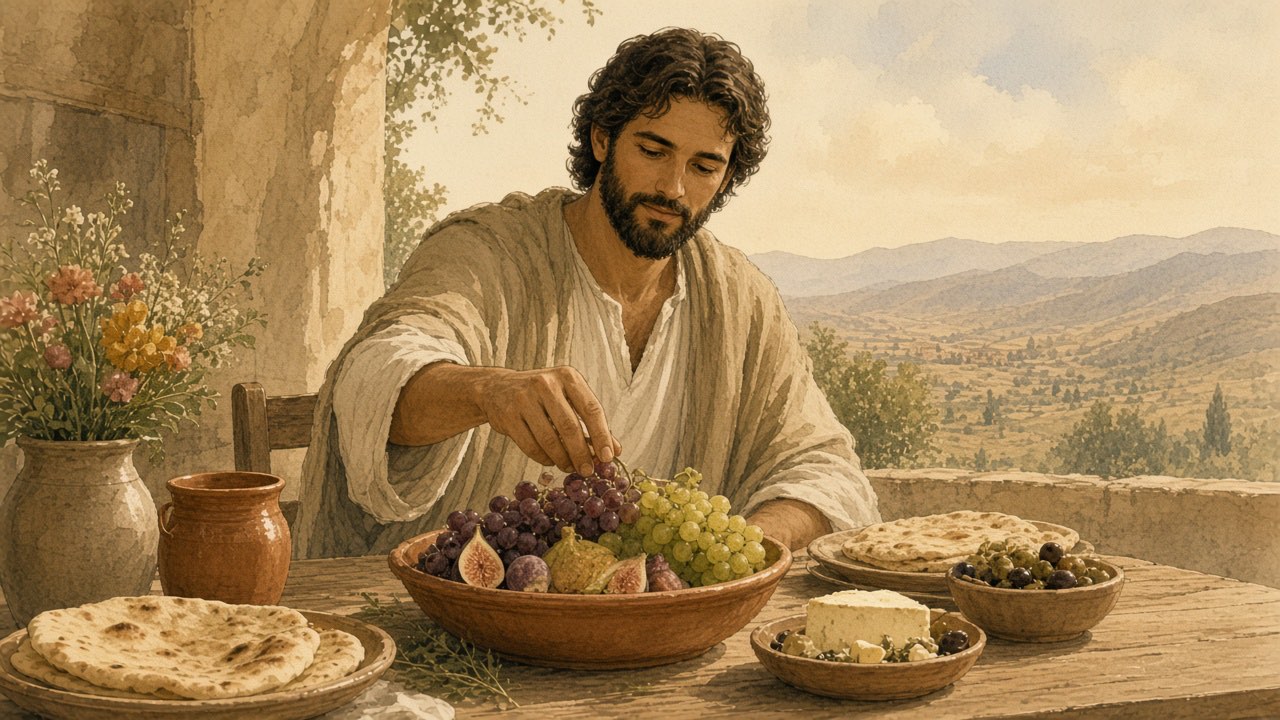
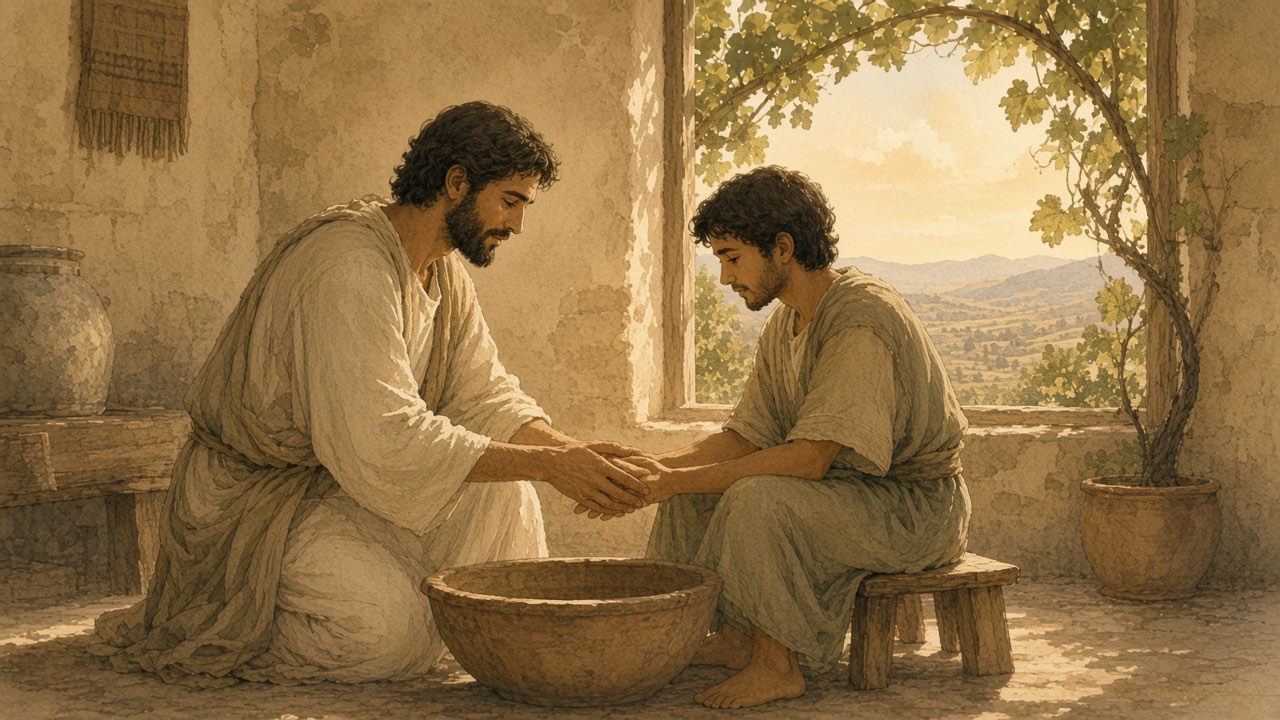
"One who has unreliable friends soon comes to ruin, but there is a friend who sticks closer than a brother."
— Proverbs 18:24 (NIV)
Proverbs 18:24 is the "friend who sticks closer than a brother" verse, a two-line proverb that contrasts shallow company with one loyal friend. This page gives the verse, what the key words mean, why translations differ on the first line, and a plain reading. For more on the theme, see Bible verses about friendship, Bible verses about loyalty, and Bible verses about brotherly love.
Free PDF
Get the free 30 Days of Love Verses PDF
Sign up for the daily Bible verse email, and get the free 30 Days of Love Verses PDF. 30 Days of Love Verses · Open the PDF
The verse
The King James reads: "A man that hath friends must shew himself friendly: and there is a friend that sticketh closer than a brother."
"Friends" in the first line is rea (H7453), a companion or neighbor. "Friend" in the second line is ohev, from ahav (H157), to love, so it means "one who loves." "Sticks closer" is dabeq (H1695), clinging or holding fast, and "brother" is ach (H251).
Why the first line reads differently
The KJV says a man with friends "must shew himself friendly." Most modern versions say a person with many or unreliable friends "comes to ruin." The difference comes from how translators read one Hebrew verb in the first half. Many modern translations connect it to ra'a (H7489), to be broken. Both readings land in the same place: a crowd of casual friends is not the same as one friend who stays.
What the verse is saying
The proverb is not against having many friends. It warns against counting on company that disappears when life gets hard. The second line names what to look for: a friend who loves you and holds on, even closer than family.
Proverbs makes the same point a chapter earlier: "A friend loves at all times, and a brother is born for a time of adversity" (Proverbs 17:17; see our Proverbs 17 study). Jonathan and David are the Bible's picture of it: "Jonathan became one in spirit with David, and he loved him as himself" (1 Samuel 18:1). Many readers also hear Jesus in this verse. He said, "Greater love has no one than this: to lay down one's life for one's friends" (John 15:13), and "I have called you friends" (John 15:15).
Questions people ask
What does Proverbs 18:24 say?
In the NIV it says, "One who has unreliable friends soon comes to ruin, but there is a friend who sticks closer than a brother." The KJV reads, "A man that hath friends must shew himself friendly: and there is a friend that sticketh closer than a brother."
What does "a friend who sticks closer than a brother" mean?
It describes a friend whose loyalty is stronger than family ties. The Hebrew word dabeq means clinging or holding fast, and the word for this friend comes from ahav, to love.
Why does the KJV say "must shew himself friendly"?
Translators read one Hebrew verb in the first line differently. The KJV took it as a call to be friendly, while most modern versions read it as "comes to ruin." The second line about the loyal friend is the same in both.
Is Proverbs 18:24 about Jesus?
The proverb itself is about human friendship. Many Christians also apply it to Jesus, who called his followers friends and laid down his life for them (John 15:13-15).
What other verses are like Proverbs 18:24?
Proverbs 17:17 (a friend loves at all times), Proverbs 27:17 (as iron sharpens iron), Ecclesiastes 4:9-10 (two are better than one), and John 15:13 are close companions.