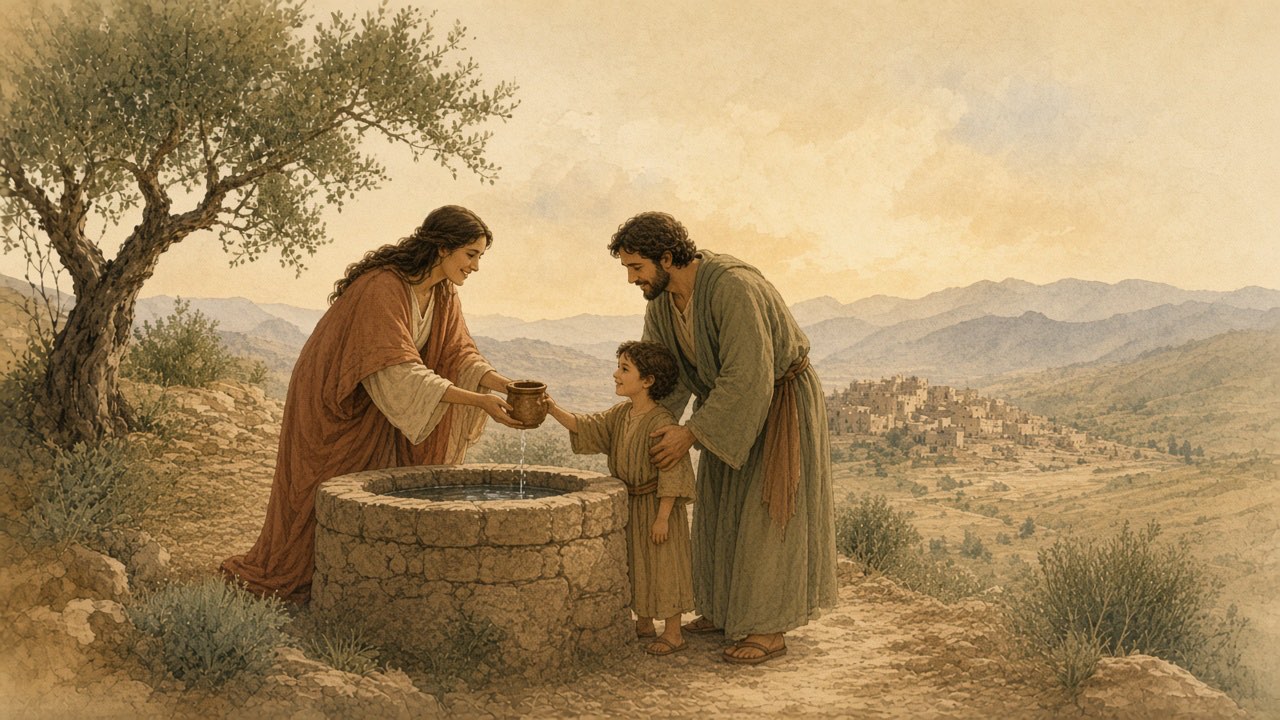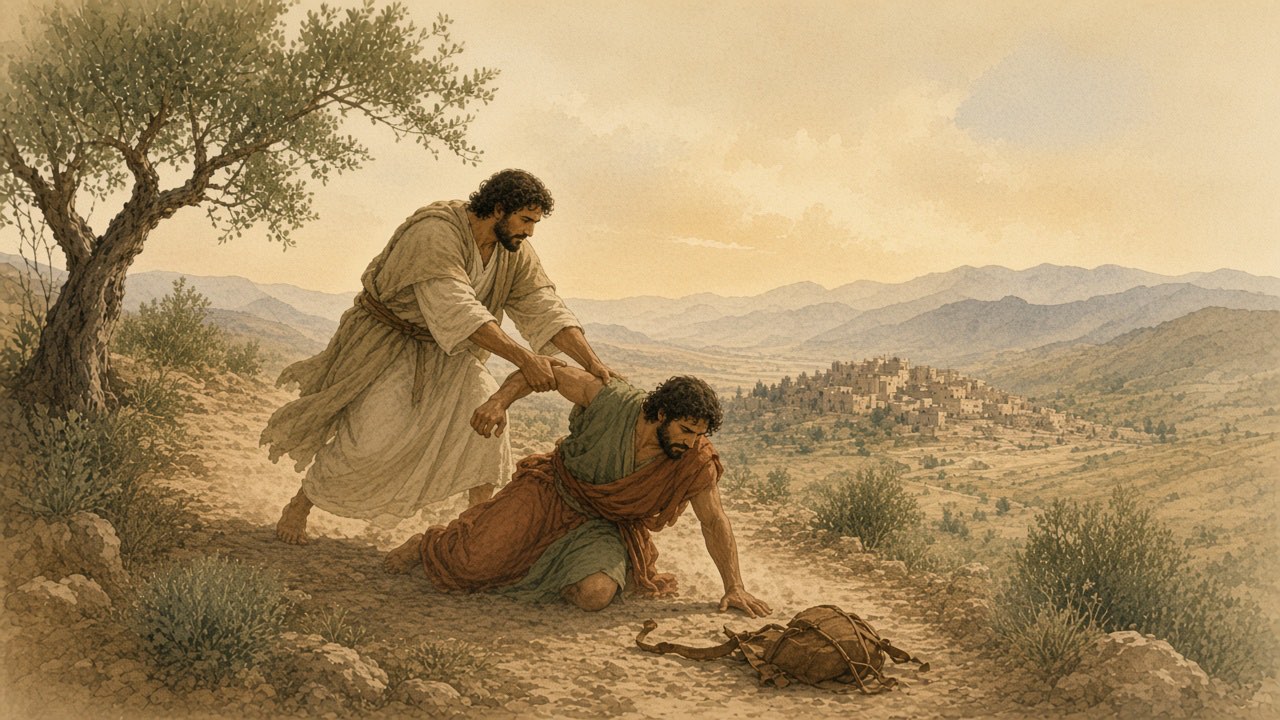
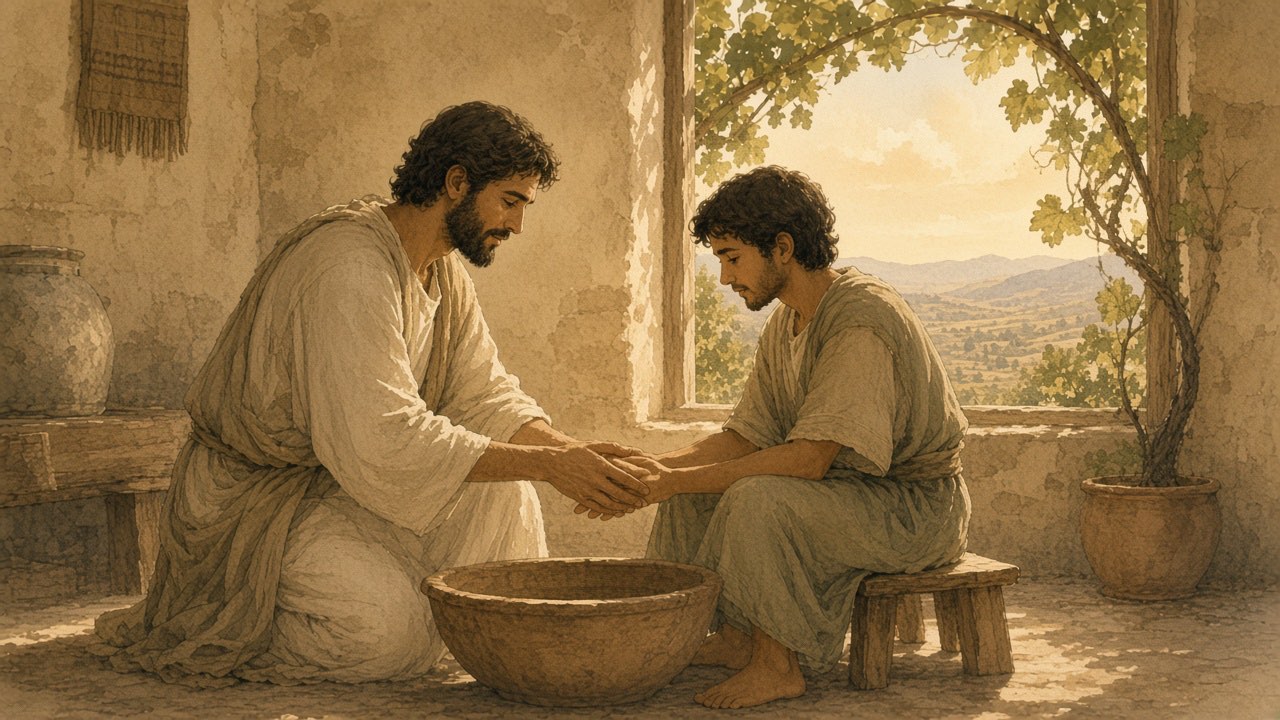
"Two are better than one, because they have a good return for their labor: If either of them falls down, one can help the other up. But pity anyone who falls and has no one to help them up."
— Ecclesiastes 4:9-10 (NIV)
Ecclesiastes 4:9-10 is the "two are better than one" passage, a short case for friendship and partnership that ends a few lines later with the cord of three strands. This page gives the verses, what the key words mean, where they sit in Ecclesiastes 4, and a plain reading. For more on the theme, see Bible verses about friendship, Bible verses about loneliness, and Bible verses about marriage.
Free PDF
Get the free 30 Days of Love Verses PDF
Sign up for the daily Bible verse email, and get the free 30 Days of Love Verses PDF. 30 Days of Love Verses · Open the PDF
The verses
The King James reads: "Two are better than one; because they have a good reward for their labour. For if they fall, the one will lift up his fellow: but woe to him that is alone when he falleth; for he hath not another to help him up."
"Two" is shenayim (H8147) and "one" is echad (H259). "Better" is tov (H2896), good. "Return" (KJV "reward") is sakar (H7939), wages. "Falls" is naphal (H5307), and "help up" (KJV "lift up") is qum (H6965), to rise or raise.
Where they sit in Ecclesiastes 4
Just before this, the Teacher describes a man who is completely alone: "There was a man all alone; he had neither son nor brother. There was no end to his toil, yet his eyes were not content with his wealth" (Ecclesiastes 4:8). He calls that life meaningless.
Verses 9-10 are the answer. The passage then continues: "Also, if two lie down together, they will keep warm. But how can one keep warm alone? Though one may be overpowered, two can defend themselves. A cord of three strands is not quickly broken" (Ecclesiastes 4:11-12).
What the verses are saying
The Teacher gives practical reasons, not sentimental ones. Two people get more done, one can pick the other up after a fall, they keep each other warm, and they can stand against an attack. The warning is just as plain: falling with no one to help you up is a hard place to be.
These verses are read often at weddings, especially the cord of three strands, which many Christians take as a picture of a couple with God at the center. In context they apply to any close partnership, including friends and coworkers. The New Testament puts the same idea into practice: "Carry each other's burdens" (Galatians 6:2).
Questions people ask
What does Ecclesiastes 4:9-10 say?
In the NIV it says, "Two are better than one, because they have a good return for their labor: If either of them falls down, one can help the other up. But pity anyone who falls and has no one to help them up."
What does "two are better than one" mean?
It means life and work go better with a partner. Ecclesiastes gives the reasons: a better return for labor, help when you fall, warmth, and protection (Ecclesiastes 4:9-12).
What is the "cord of three strands"?
It is the last line of the passage: "A cord of three strands is not quickly broken" (Ecclesiastes 4:12). In context it extends the point that more together is stronger. Many Christians, especially at weddings, read the third strand as God.
Is Ecclesiastes 4:9-10 about marriage?
The passage is about companionship in general, and verse 8 is about a man with no family or friends. It is a popular wedding reading because the same truths fit marriage well.
What other verses are like Ecclesiastes 4:9-10?
Proverbs 18:24 (a friend who sticks closer than a brother), Proverbs 27:17 (as iron sharpens iron), Galatians 6:2 (carry each other's burdens), and Genesis 2:18 (it is not good for the man to be alone) are close companions.