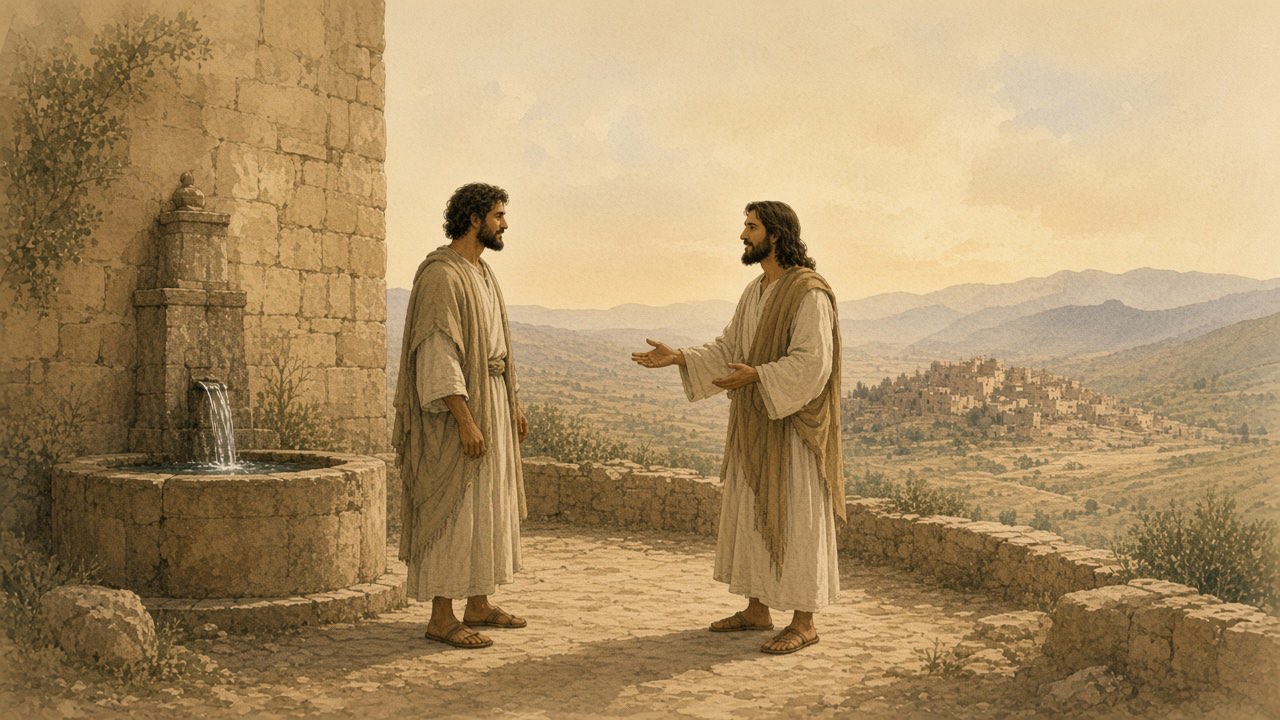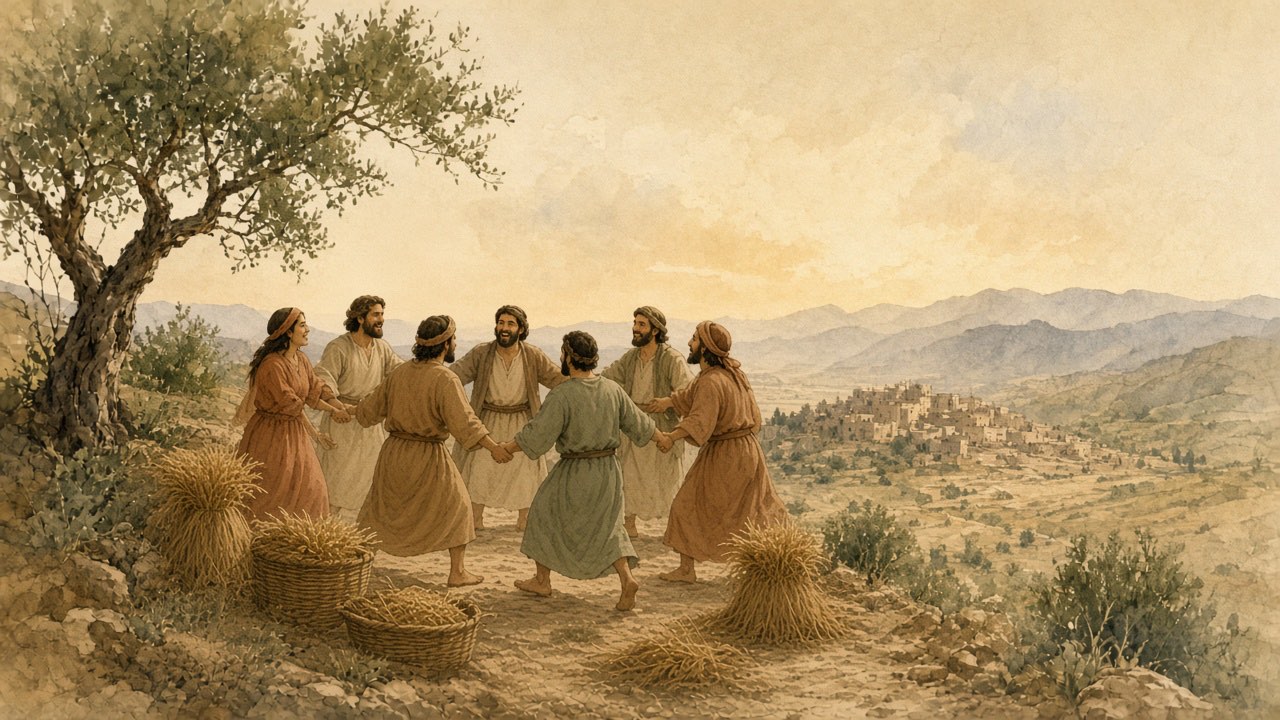

"Better a patient person than a warrior, one with self-control than one who takes a city."
— Proverbs 16:32 (NIV)
Proverbs 16:32 is the "he that ruleth his spirit" verse, a short proverb that ranks patience and self-control above military strength. This page gives the verse, what the key words mean, where it sits in Proverbs, and a plain reading. For more on the theme, see Bible verses about self-control, Bible verses about patience, and Bible verses about anger.
Free PDF
Get the free 30 Days of Love Verses PDF
Sign up for the daily Bible verse email, and get the free 30 Days of Love Verses PDF. 30 Days of Love Verses · Open the PDF
The verse
The King James reads: "He that is slow to anger is better than the mighty; and he that ruleth his spirit than he that taketh a city."
"Better" is tov (H2896), good. "Patient" (KJV "slow to anger") is 'erek (H750), long, with 'aph (H639), nostril or anger: "long of nostrils," a person whose anger is slow to flare. "Warrior" (KJV "mighty") is gibbor (H1368), a mighty man or hero. "Self-control" is literally "ruling his spirit": mashal (H4910), to rule, and ruach (H7307), spirit. "Takes" is lakad (H3920), to capture, and "city" is 'iyr (H5892).
Where it sits in Proverbs
The verse just before says, "Gray hair is a crown of splendor; it is attained in the way of righteousness" (Proverbs 16:31), and the verse after says, "The lot is cast into the lap, but its every decision is from the LORD" (Proverbs 16:33).
Other proverbs make the same point. "Whoever is patient has great understanding, but one who is quick-tempered displays folly" (Proverbs 14:29). "Like a city whose walls are broken through is a person who lacks self-control" (Proverbs 25:28). "A person's wisdom yields patience; it is to one's glory to overlook an offense" (Proverbs 19:11).
What the verse is saying
The proverb compares two kinds of strength. A warrior who captures a city is admired, but the person who can rule their own temper has done something harder. Outer victories can be won by someone who has no control over themselves.
Proverbs 25:28 turns the picture around: without self-control a person is like a city with broken walls, open to anything. Proverbs 16:32 is the other side: the person who rules their spirit is the real conqueror. The New Testament names self-control as part of the fruit of the Spirit in Galatians 5:22-23.
Questions people ask
What does Proverbs 16:32 say?
In the NIV it says, "Better a patient person than a warrior, one with self-control than one who takes a city." The KJV says, "He that is slow to anger is better than the mighty; and he that ruleth his spirit than he that taketh a city."
What does "he that ruleth his spirit" mean?
It means a person who controls their own temper, impulses, and reactions. The Hebrew joins "rule" with "spirit," the inner life.
Why is a patient person better than a warrior?
A warrior conquers others, but patience and self-control mean mastering yourself, which the proverb treats as the greater strength. Many people who can win a fight cannot hold their temper.
How can I grow in self-control?
Proverbs 19:11 ties patience to wisdom, and Galatians 5:22-23 calls self-control fruit of the Spirit. Slowing down before you react, praying in the moment, and asking for help with patterns you cannot break alone all help.
What verses go with Proverbs 16:32?
Proverbs 14:29 (patience shows great understanding), James 1:19-20 (slow to become angry), and Proverbs 15:1 (a gentle answer turns away wrath) are close companions.
Who wrote Proverbs 16:32?
Proverbs 16:32 is traditionally attributed to Solomon, as part of the Proverbs 10-22 collection. The verse itself does not name an author.
Is Proverbs 16:32 about anger?
Yes. The KJV says "slow to anger," and ruling that temper is called greater strength than taking a city. See Bible verses about anger.