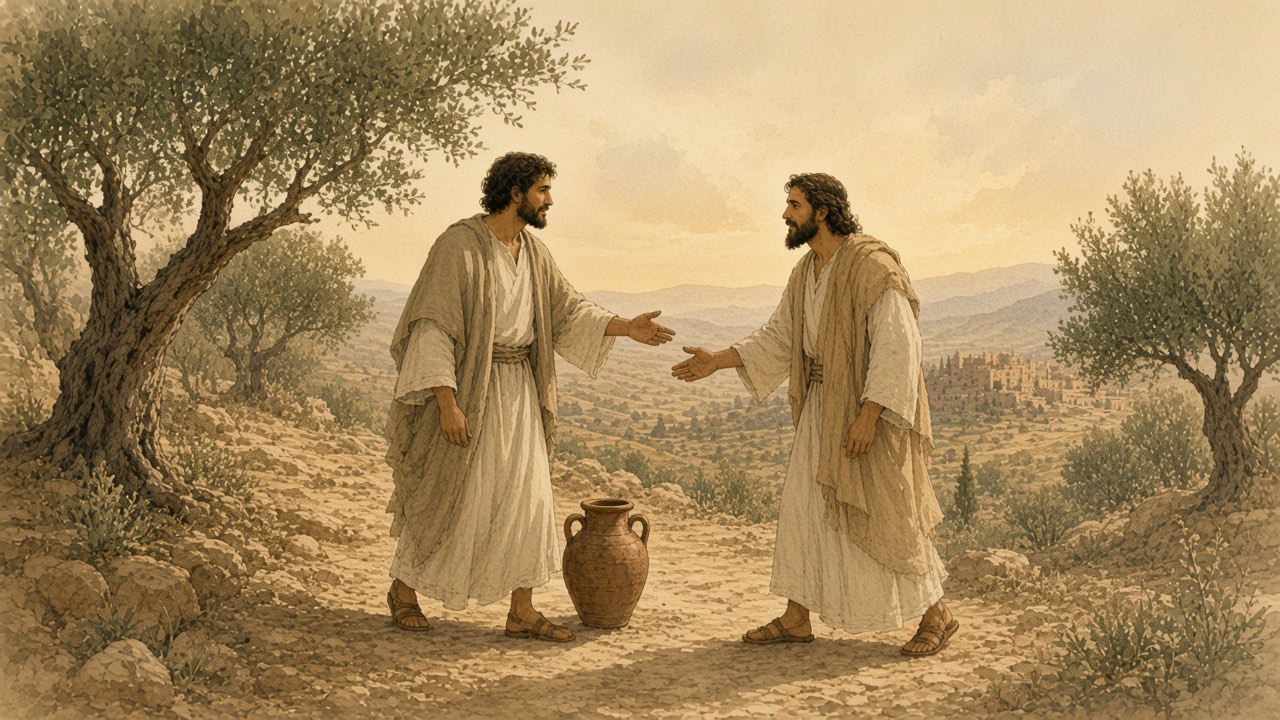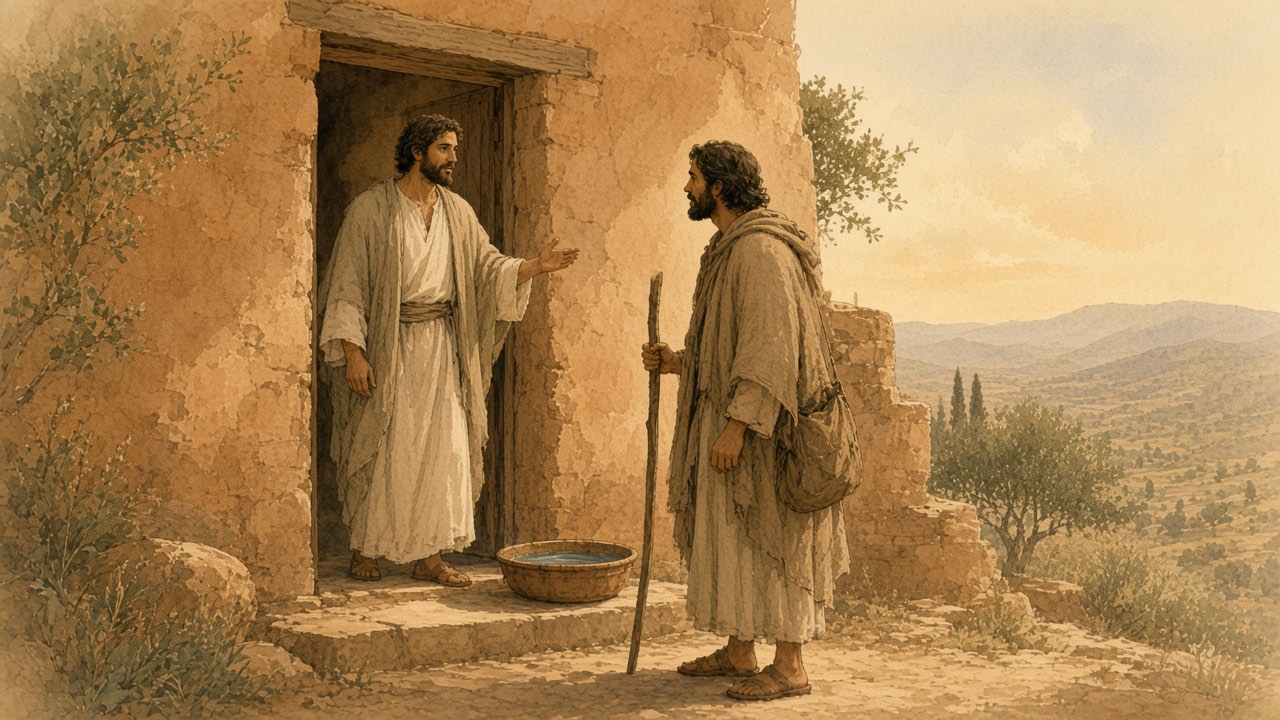
"Be kind and compassionate to one another, forgiving each other, just as in Christ God forgave you."
— Ephesians 4:32 (NIV)
Ephesians 4:32 is the "be ye kind one to another, tenderhearted, forgiving one another" verse, Paul's short summary of how forgiven people treat each other. This page gives the verse, what the key words mean, where it sits in Ephesians 4, and a plain reading. For more on the theme, see Bible verses about kindness, Bible verses about forgiveness, and Bible verses about compassion.
Free PDF
Get the free 30 Days of Love Verses PDF
Sign up for the daily Bible verse email, and get the free 30 Days of Love Verses PDF. 30 Days of Love Verses · Open the PDF
The verse
The King James reads: "And be ye kind one to another, tenderhearted, forgiving one another, even as God for Christ's sake hath forgiven you."
"Kind" is chrēstos (G5543), useful, good, gentle in how you treat someone. "Compassionate" (KJV "tenderhearted") is eusplanchnos (G2155), literally having good, tender inner feelings toward another person. "Forgiving" is charizomai (G5483), to give freely or graciously pardon, a word built on charis, grace.
Where it sits in Ephesians 4
Paul has been describing the new life in Christ: "put off your old self" and "put on the new self, created to be like God in true righteousness and holiness" (Ephesians 4:22-24). He gets specific about truth, anger, work, and speech, including "Do not let any unwholesome talk come out of your mouths" (Ephesians 4:29).
Verse 31 lists what to drop: "Get rid of all bitterness, rage and anger, brawling and slander, along with every form of malice." Verse 32 is what goes in its place. The next lines carry the same thought forward: "Follow God's example, therefore, as dearly loved children and walk in the way of love, just as Christ loved us and gave himself up for us" (Ephesians 5:1-2).
What the verse is saying
Paul gives three actions, kindness, compassion, and forgiveness, and one reason: God has already forgiven you in Christ. The verse does not ask people to forgive because the other person deserves it. It asks them to pass on what they were given.
That makes it practical for a marriage, a family, a church, or a workplace where hurt has piled up. Forgiving does not mean pretending nothing happened. It means letting go of the debt the way God let go of yours, and choosing kindness instead of the bitterness verse 31 warns against. Colossians 3:13 says the same thing: "Forgive as the Lord forgave you."
Questions people ask
What does Ephesians 4:32 say?
In the NIV it says, "Be kind and compassionate to one another, forgiving each other, just as in Christ God forgave you." The KJV says, "And be ye kind one to another, tenderhearted, forgiving one another, even as God for Christ's sake hath forgiven you."
What does "tenderhearted" mean in Ephesians 4:32?
It is the KJV word for the Greek eusplanchnos, which pictures tender inner feelings toward someone. Modern translations say "compassionate." It means being moved by another person's need, not cold toward it.
Why should we forgive according to Ephesians 4:32?
Because God forgave us first. Paul grounds forgiveness in what God already did "in Christ," so forgiving others is passing on grace we received, not earning it.
What comes before Ephesians 4:32?
Verse 31 says, "Get rid of all bitterness, rage and anger, brawling and slander, along with every form of malice." Verse 32 tells what should replace those things.
What verses go with Ephesians 4:32?
Colossians 3:13 (forgive as the Lord forgave you), Ephesians 4:29 (words that build others up), and 1 Corinthians 13:4 (love is patient, love is kind) are close companions.