"When I was a child, I talked like a child, I thought like a child, I reasoned like a child. When I became a man, I put the ways of childhood behind me."
— 1 Corinthians 13:11 (NIV)
1 Corinthians 13:11 is the verse people mean when they search the reference for "when I was a child" and "put away childish things." This page is the passage and a plain reading. The line-by-line study is 1 Corinthians 13:11 meaning. The mirror picture that follows is 1 Corinthians 13:12 and Through a glass darkly. The gifts that pass are in 1 Corinthians 13:8.
Free PDF
Get the free 30 Days of Love Verses PDF
Sign up for the daily Bible verse email, and get the free 30 Days of Love Verses PDF. 30 Days of Love Verses · Open the PDF
The verse
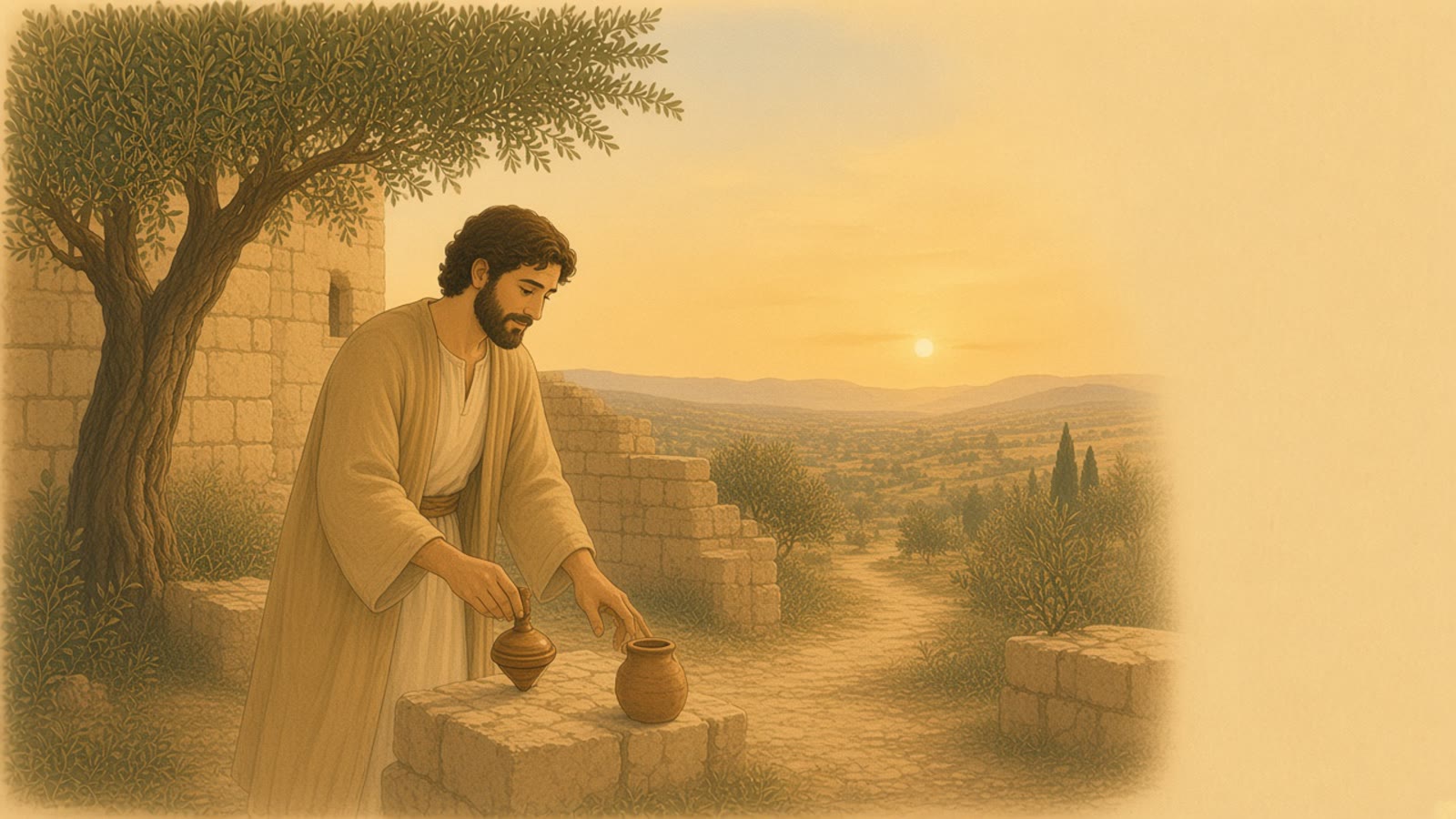
1 Corinthians 13:11 (NIV) reads: "When I was a child, I talked like a child, I thought like a child, I reasoned like a child. When I became a man, I put the ways of childhood behind me."
The KJV says "I put away childish things." Paul is still explaining why prophecies, tongues, and knowledge will cease: childhood speech fits a stage; adulthood leaves that stage behind without hating the child.
What the verse is saying
The point is maturity of knowing, not contempt for children. In the age of partial gifts, some ways of seeing will be outgrown when we see face to face. Love is not in the list of things to put away. Verses 8–10 say gifts pass; verse 13 says faith, hope, and love remain.
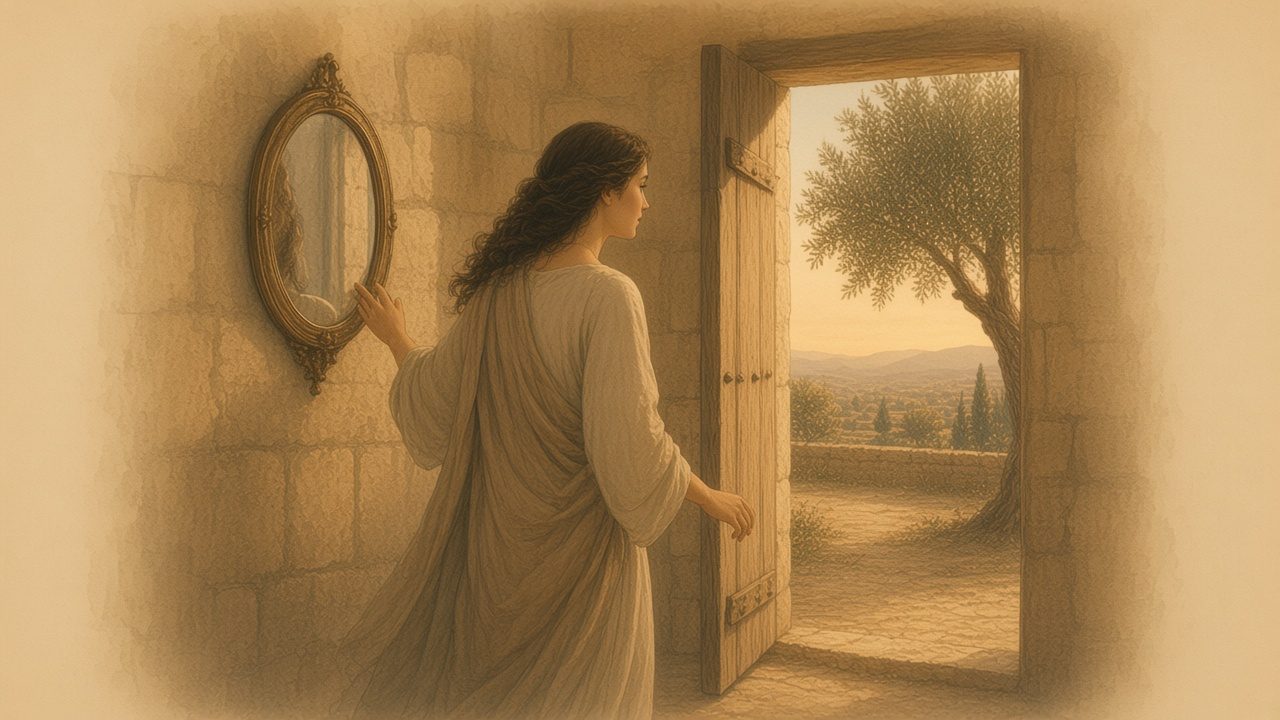
Read next to 1 Corinthians 13:12: the child picture and the mirror picture are the same argument in two images.
How people use 1 Corinthians 13:11
People look up the reference for sermons on maturity, graduation cards, and the KJV line about childish things. In context it belongs with the chapter's warning not to treat partial gifts as the whole story. The chapter itself is 1 Corinthians 13.
Questions people ask
What does 1 Corinthians 13:11 say?
It says when I was a child, I talked, thought, and reasoned like a child. When I became a man, I put the ways of childhood behind me.
What does put away childish things mean?
It is the KJV wording for leaving childhood speech and thought behind as Paul compares partial knowing now with full knowing later. See 1 Corinthians 13:11 meaning.
Is Paul insulting spiritual gifts?
No. He says gifts are real and temporary. Childhood is a stage, not a slur. The insult would be treating a partial gift as if it were the mature whole.
How does this connect to the greatest of these is love?
Verse 11 is part of why gifts pass. Verse 13 names what remains and calls love the greatest. Read 1 Corinthians 13:13 and The greatest of these is love.
Where should I read next?
For the study, read 1 Corinthians 13:11 meaning. For the mirror, read 1 Corinthians 13:12. For what remains, read 1 Corinthians 13:13.