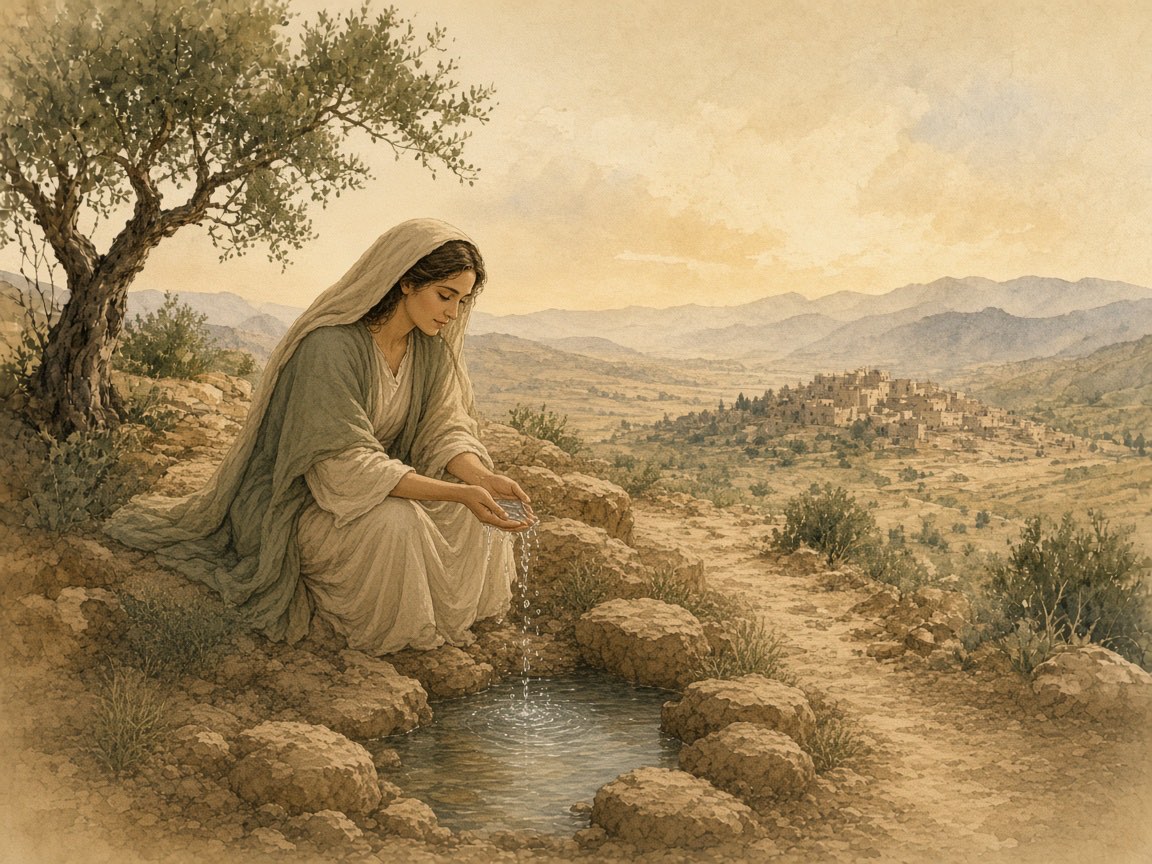
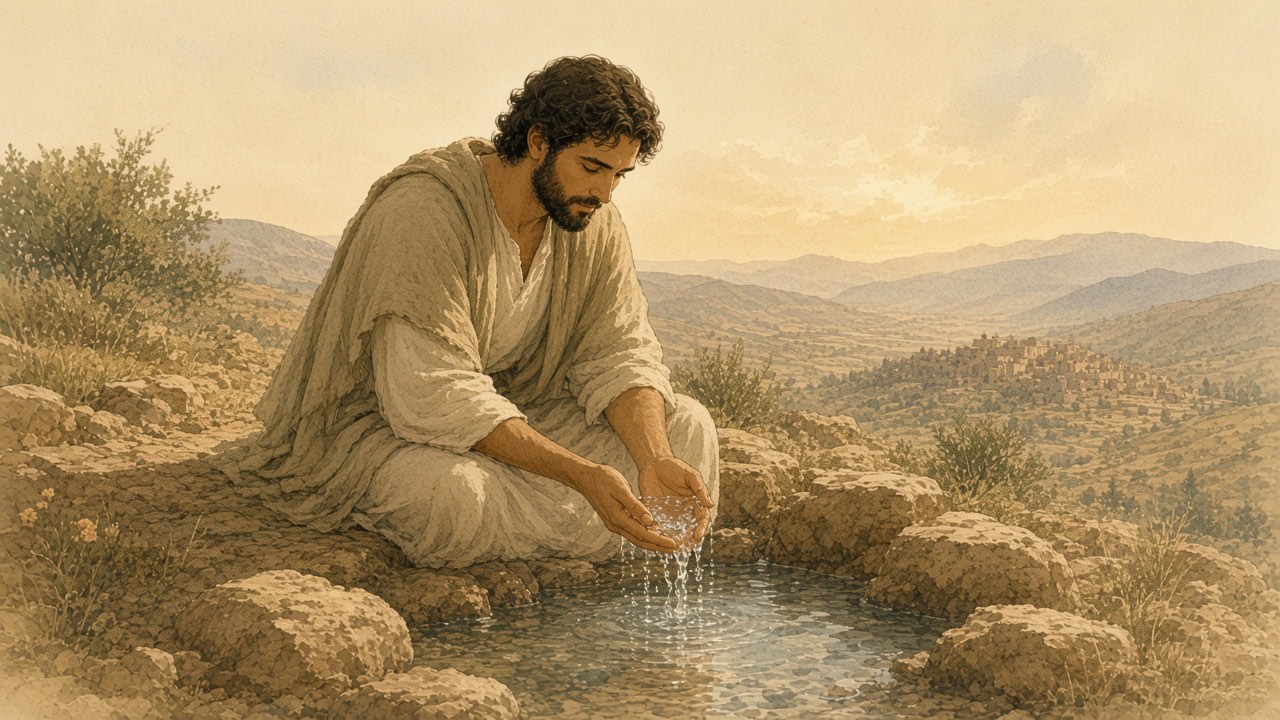
"Create in me a pure heart, O God, and renew a steadfast spirit within me."
— Psalm 51:10 (NIV)
Psalm 51:10 is the "create in me a clean heart" prayer, David's request for a new start after his sin with Bathsheba. This page gives the verse, what the key words mean, where it sits in Psalm 51, and a plain reading. For more on the theme, see Bible verses about purity, Bible verses about repentance, and Bible verses about confession.
Free PDF
Get the free 30 Days of Love Verses PDF
Sign up for the daily Bible verse email, and get the free 30 Days of Love Verses PDF. 30 Days of Love Verses · Open the PDF
The verse
The King James reads: "Create in me a clean heart, O God; and renew a right spirit within me."
"Create" is bara (H1254), the same verb used in Genesis 1:1 for God creating the heavens and the earth. "Pure" (KJV "clean") is tahor (H2889), clean or pure. "Renew" is chadash (H2318), to make new or restore, and "steadfast" (KJV "right") is from kun (H3559), firm or established.
Where it sits in Psalm 51
The heading says the psalm was written "when the prophet Nathan came to him after David had committed adultery with Bathsheba." It opens: "Have mercy on me, O God, according to your unfailing love; according to your great compassion blot out my transgressions" (Psalm 51:1).
Just before verse 10, David prays, "Cleanse me with hyssop, and I will be clean; wash me, and I will be whiter than snow" (Psalm 51:7). Right after it he asks, "Do not cast me from your presence or take your Holy Spirit from me. Restore to me the joy of your salvation and grant me a willing spirit, to sustain me" (Psalm 51:11-12). Later he says, "My sacrifice, O God, is a broken spirit; a broken and contrite heart you, God, will not despise" (Psalm 51:17).
What the verse is saying
David does not ask God to help him try harder. He asks God to create, the word used for God's own work in Genesis 1. A clean heart is something only God can make.
The second half asks for a "steadfast" spirit, one that stays firm instead of drifting back. Forgiveness (verse 1) and a changed heart (verse 10) belong together. The prophets later promise the same thing: "I will give you a new heart and put a new spirit in you" (Ezekiel 36:26). For the New Testament side, see 1 John 1:9 and 2 Corinthians 4:16.
Questions people ask
What does Psalm 51:10 say?
In the NIV it says, "Create in me a pure heart, O God, and renew a steadfast spirit within me." The KJV reads, "Create in me a clean heart, O God; and renew a right spirit within me."
What does Psalm 51:10 mean?
It is a prayer asking God to do what a person cannot do alone: make the heart clean and keep the spirit firm. David prays it after confessing his sin, so it is a request for a real inner change, not only for the guilt to go away.
Who wrote Psalm 51 and why?
The heading names David and says he wrote it after the prophet Nathan confronted him about his adultery with Bathsheba (see 2 Samuel 11-12). The psalm is his confession and his plea for mercy.
What does "create" mean in Psalm 51:10?
The Hebrew word is bara, the verb used for God creating the world in Genesis 1:1. In this form the Old Testament uses it only with God as the subject, which is why David asks God to make his clean heart rather than promising to make it himself.
What other verses are like Psalm 51:10?
Ezekiel 36:26 (a new heart and a new spirit), Psalm 51:7 (wash me and I will be whiter than snow), and 1 John 1:9 (he will purify us from all unrighteousness) are close companions.