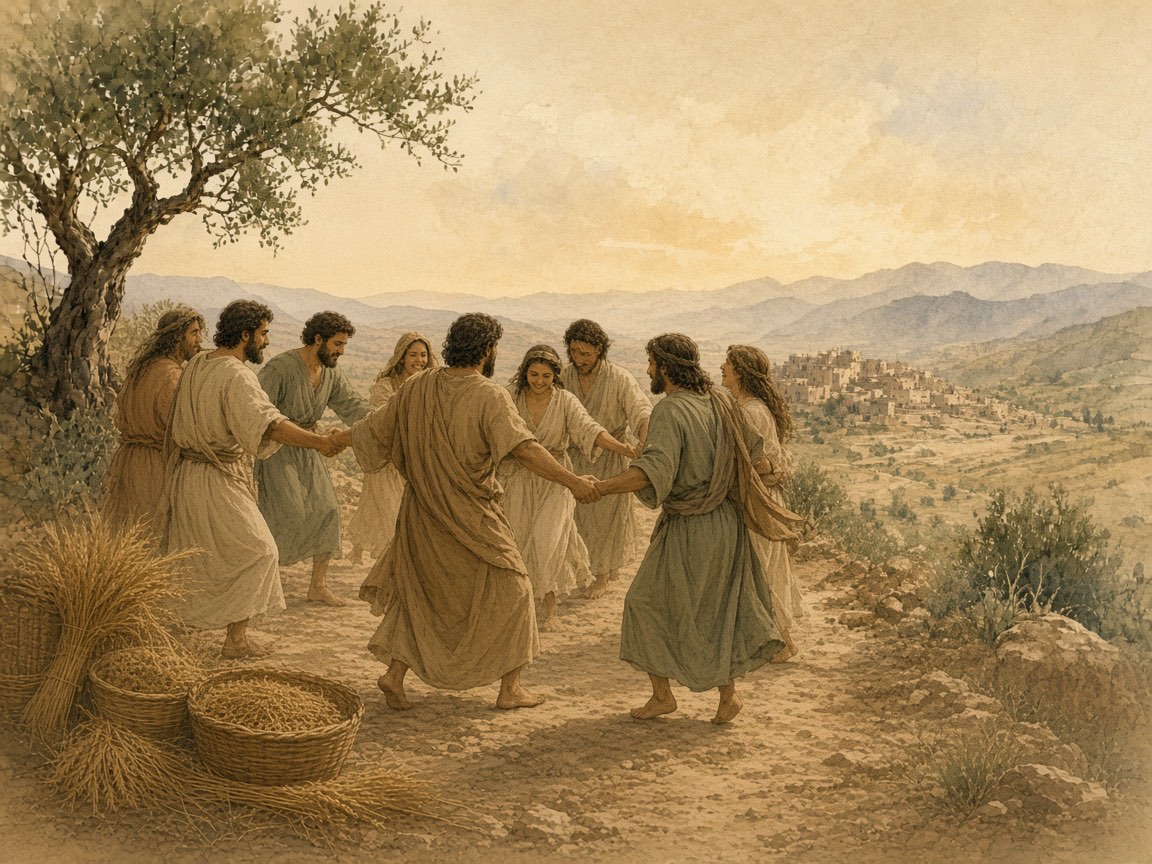
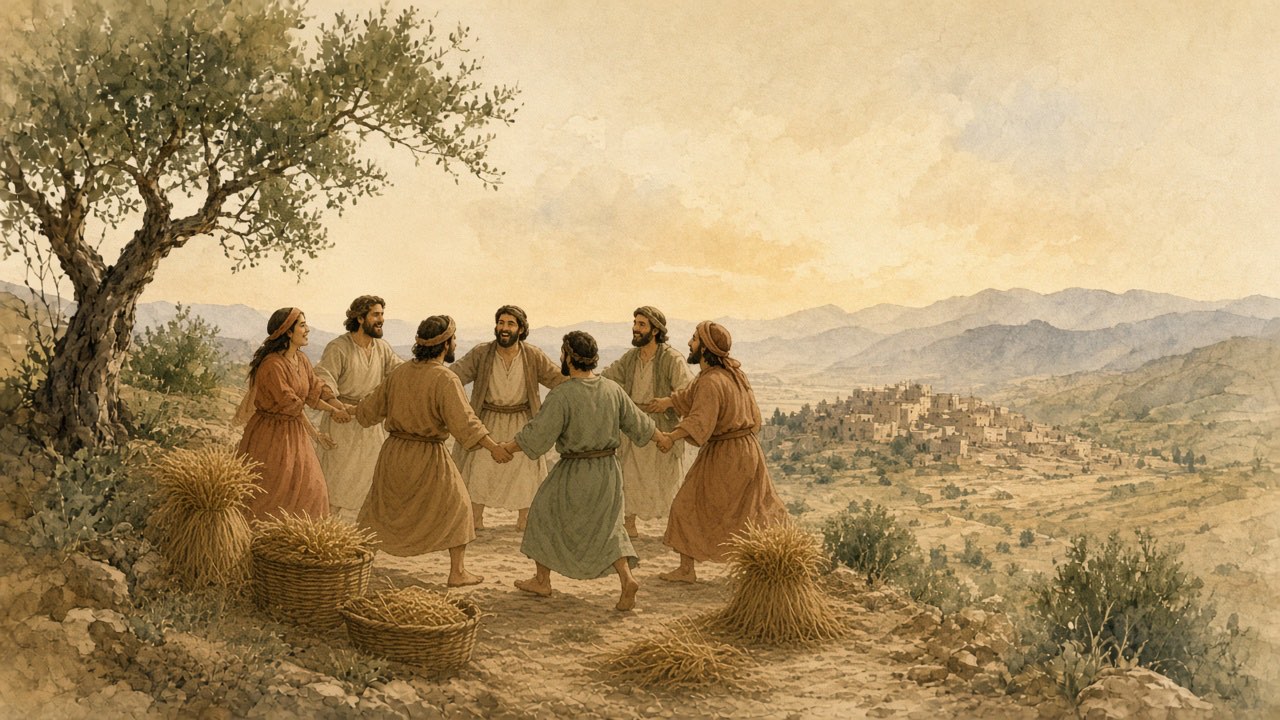
"Rejoice in the Lord always. I will say it again: Rejoice!"
— Philippians 4:4 (NIV)
Free PDF
Get the free 30 Days of Love Verses PDF
Sign up for the daily Bible verse email, and get the free 30 Days of Love Verses PDF. 30 Days of Love Verses · Open the PDF
What Does the Bible Say About Joy?
Joy in Scripture is rooted in God, not in circumstances. It holds because of who God is, even when a season is hard.
Happiness and joy are not the same. Happiness rises and falls with what is happening. Joy stays tied to the Lord, so it can remain when the situation does not.
Nehemiah 8:10 calls the joy of the Lord strength. That strength is gladness that comes from God and steadies people when they feel weak. It is not a mood they have to manufacture.
James 1:2-3 speaks of joy in trials. Testing builds endurance. Joy in a hard season does not pretend the pain is gone. It trusts that God is still present.
The Biblical Perspective
Joy in the Lord differs fundamentally from circumstantial happiness. While happiness depends on what happens, joy roots in who God is—transcending circumstances. Contentment accompanies joy, finding satisfaction in God regardless of externals. As a fruit of the Spirit, joy isn't manufactured but cultivated through relationship with God. The Christian life is meant to be marked by joy—not grudging duty but genuine delight.
Scripture commands joy repeatedly. This seems startling—can joy be commanded? Yes, because biblical joy isn't emotion summoned at will but posture chosen toward God. We choose where to focus attention, and focus shapes experience.
Key Scriptural Insights
1. Joy in God, Not Circumstances
Scripture grounds joy in God Himself:
Psalm 16:11: "You make known to me the path of life; you will fill me with joy in your presence, with eternal pleasures at your right hand."
Psalm 37:4: "Take delight in the LORD, and he will give you the desires of your heart."
Habakkuk 3:17-18: "Though the fig tree does not bud and there are no grapes on the vines... yet I will rejoice in the LORD, I will be joyful in God my Savior."
Nehemiah 8:10: "The joy of the LORD is your strength."
Habakkuk's declaration is remarkable: total agricultural collapse, yet joy in God remains. This joy transcends circumstances entirely.
2. Joy as Fruit of the Spirit
Galatians lists joy among Spirit-produced fruit:
Galatians 5:22-23: "But the fruit of the Spirit is love, joy, peace..."
As fruit, joy:
- Grows naturally from the Spirit's presence
- Takes time to develop and mature
- Requires connection to the vine (John 15)
- Cannot be manufactured through human effort alone
Romans 14:17: "For the kingdom of God is not a matter of eating and drinking, but of righteousness, peace and joy in the Holy Spirit."
1 Thessalonians 1:6: "You welcomed the message in the midst of severe suffering with the joy given by the Holy Spirit."
Note: joy amid severe suffering. The Spirit gives joy independent of circumstances.
3. Joy and Love Connected
Scripture links joy with loving relationships:
1 John 1:4: "We write this to make our joy complete." John's joy was fulfilled through spiritual community.
Philippians 2:2: "Make my joy complete by being like-minded, having the same love."
3 John 4: "I have no greater joy than to hear that my children are walking in the truth."
Zephaniah 3:17: "The LORD your God is with you, the Mighty Warrior who saves. He will take great delight in you; in his love he will no longer rebuke you, but will rejoice over you with singing."
God Himself rejoices over His people. Our joy reflects His.
Practical Application
How do we cultivate joy?
Focus on God, not circumstances. Where you look determines what you see. Deliberately direct attention toward God's character, promises, and presence.
Practice gratitude. Thanking God shifts focus from what's lacking to what's given. Gratitude and joy travel together.
Abide in Christ. John 15:11: "I have told you this so that my joy may be in you and your joy may be complete." Connection to Christ produces joy.
Choose joy intentionally. "Rejoice in the Lord always" is command, not suggestion. Joy can be chosen even when not felt initially.
Limit joy-killers. Some inputs—chronic negativity, endless news, toxic relationships—drain joy. Manage exposure.
Serve others. Joy multiplies through giving. Acts 20:35: "It is more blessed to give than to receive."
Remember what's coming. Present trials are temporary; future glory is eternal. Anticipation of promise sustains present joy.
Invest in community. Joy shared increases. Find fellow believers who cultivate joy together.
Conclusion
Joy is the Christian's birthright in Christ. Not giddy superficiality that ignores pain, but deep gladness rooted in God's unchanging character.
Rejoice in the Lord always. Not because circumstances are always wonderful—they're not. But because God is always faithful, always present, always working, always good.
Let the fruit of joy grow in your life. Cultivate it through connection with Christ. And reflect the joy of a God who Himself rejoices over you with singing. Joy here is the fruit and the settled gladness. For the active choice to rejoice, see Bible verses about rejoicing.
Joy is named with love in the Spirit's fruit. Love and the Holy Spirit shows why that fruit grows together.
Questions people ask
Is joy the same as happiness?
No. Happiness depends on circumstances. Joy is rooted in God, so it can remain when circumstances change.
What does "the joy of the Lord is your strength" mean?
Nehemiah 8:10 names the Lord's joy as strength. It is gladness God gives, and it steadies people when their own resources run thin.
How can I have joy when life is hard?
James 1:2-3 points to joy in trials because testing produces endurance. That joy does not deny the pain. It trusts God while the hard season lasts.