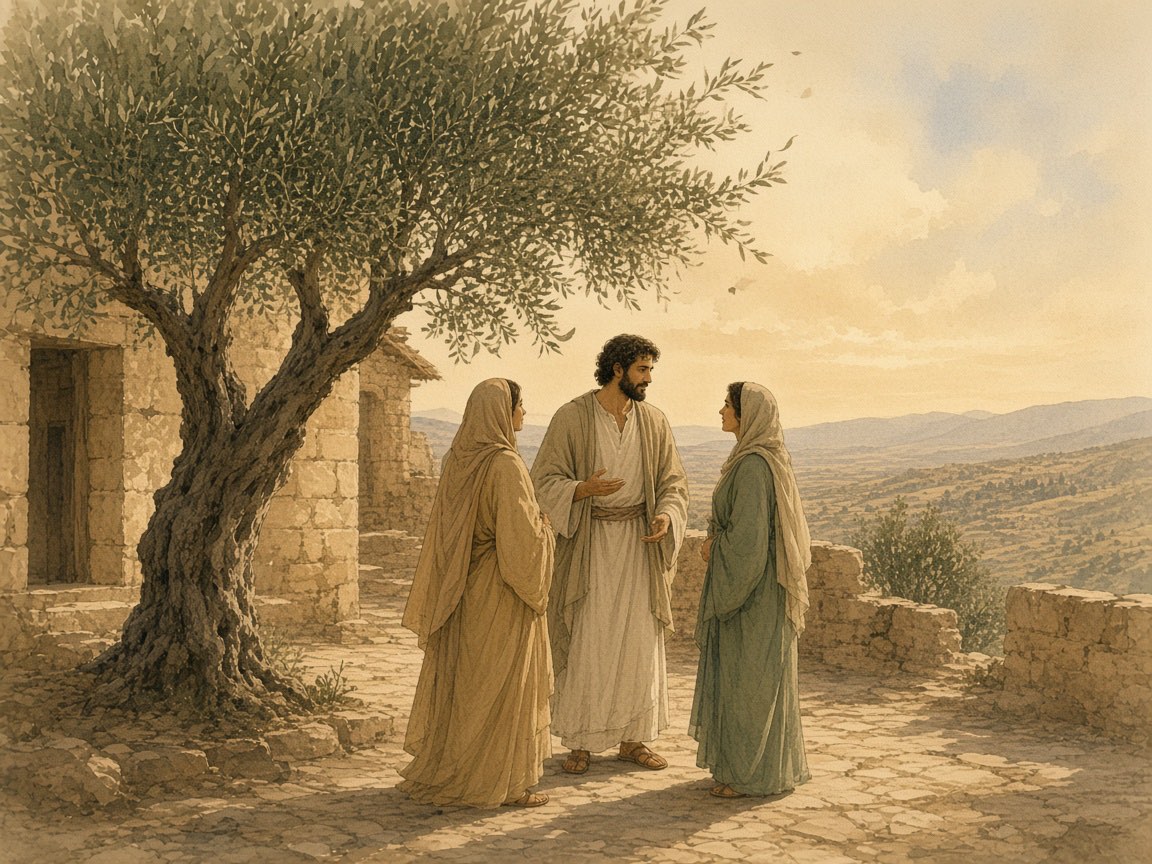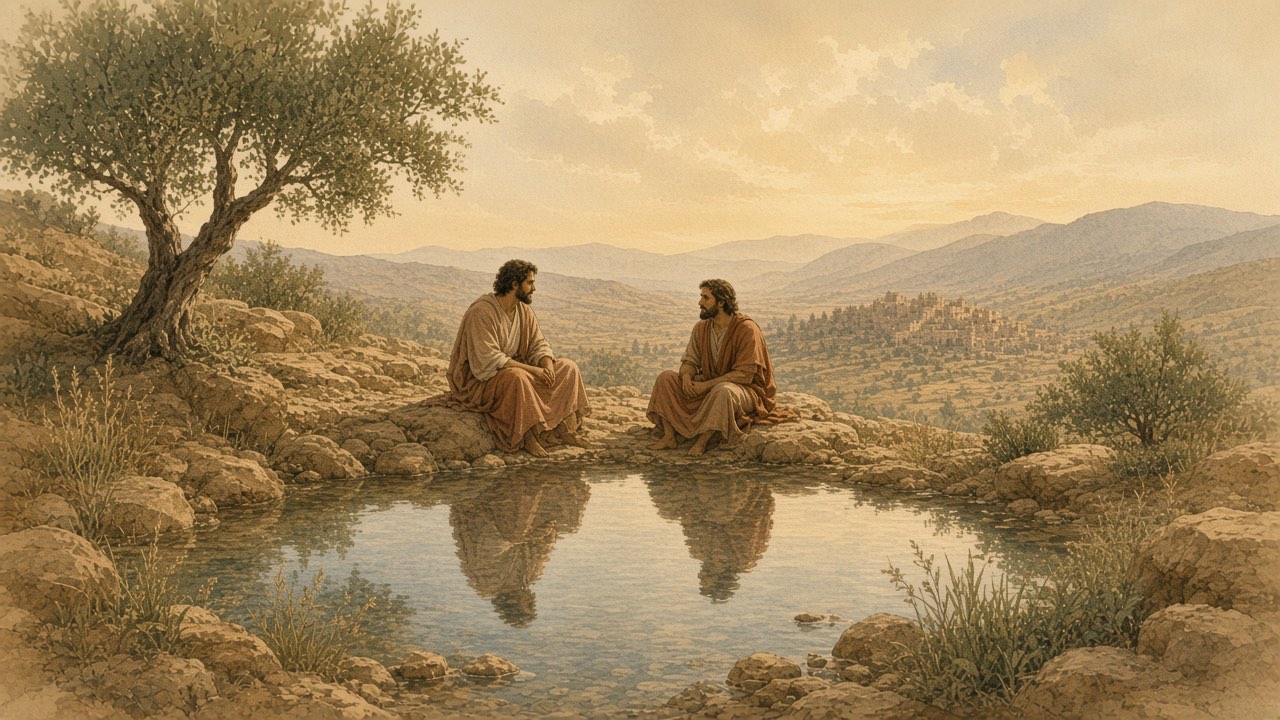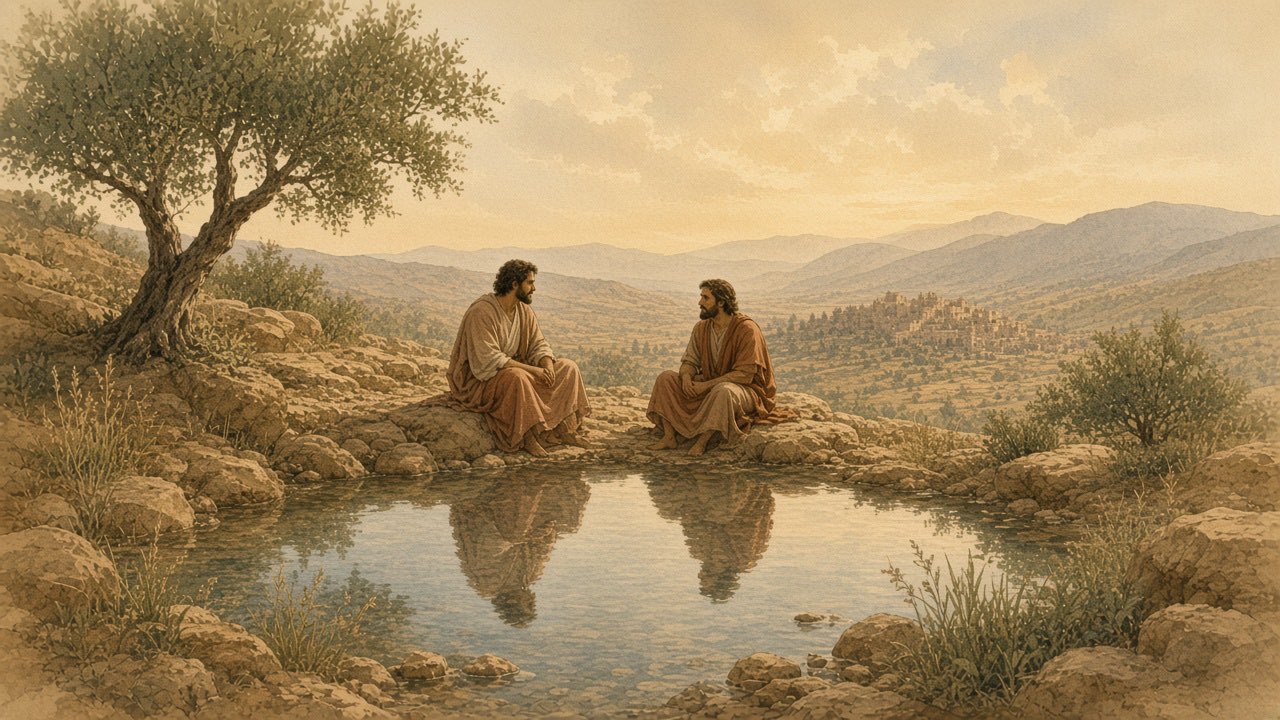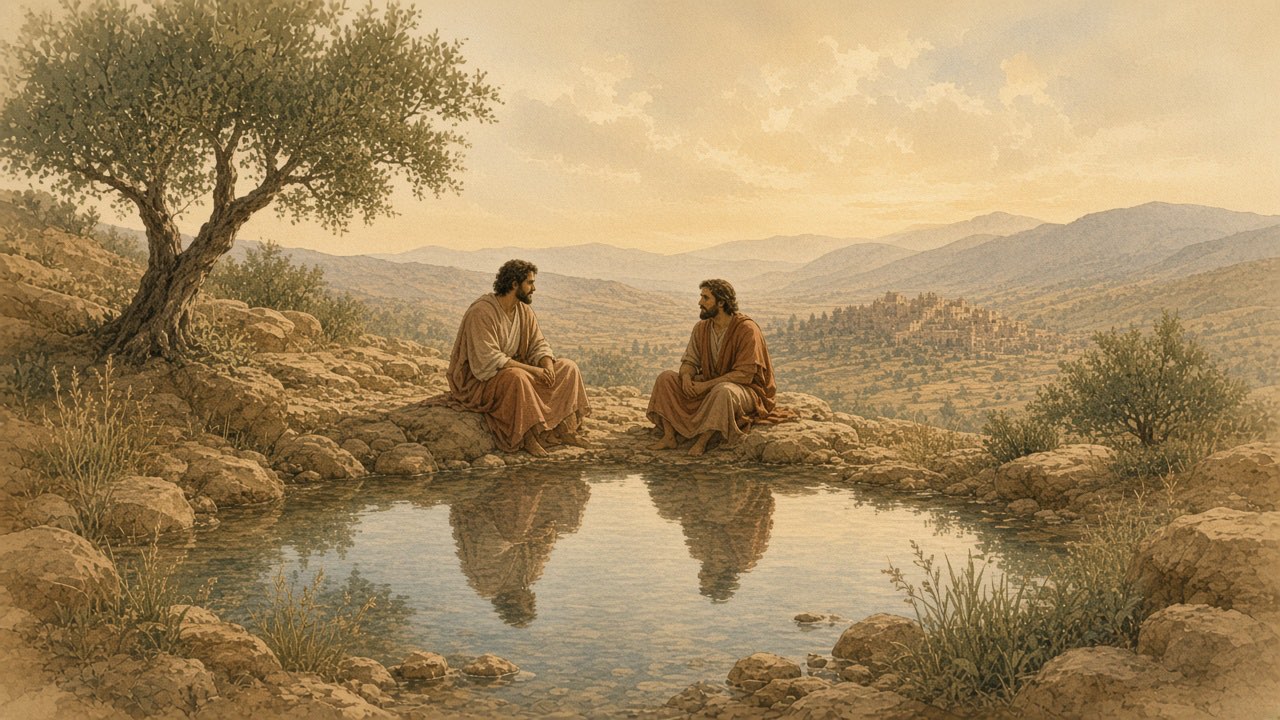
"Peacemakers who sow in peace reap a harvest of righteousness."
— James 3:18 (NIV)
James 3:18 is a farming picture of how peace works. What you plant is what comes up, so people who plant peace end up with a harvest of righteousness. This page gives the verse, what the key Greek words mean, where it sits in James 3, and a plain reading. For more on the theme, see Bible verses about peace and Love and peace.
Free PDF
Get the free 30 Days of Love Verses PDF
Sign up for the daily Bible verse email, and get the free 30 Days of Love Verses PDF. 30 Days of Love Verses · Open the PDF
The verse
The King James reads: "And the fruit of righteousness is sown in peace of them that make peace."
"Fruit" or "harvest" is karpos (G2590), fruit or crop. "Righteousness" is dikaiosynē (G1343), being right with God and acting rightly toward others. "Sow" is speirō (G4687), to scatter seed. "Peace" is eirēnē (G1515), peace, quiet, harmony. "Make" in "them that make peace" is poieō (G4160), to make or do, so peacemakers are people who actively make peace.
Where it sits in James 3
James 3 starts with the tongue and ends with two kinds of wisdom. One is marked by envy and selfish ambition: "For where you have envy and selfish ambition, there you find disorder and every evil practice" (James 3:16). The other comes from God: "But the wisdom that comes from heaven is first of all pure; then peace-loving, considerate, submissive, full of mercy and good fruit, impartial and sincere" (James 3:17).
Verse 18 closes the chapter by showing where the second kind of wisdom leads. It echoes Jesus: "Blessed are the peacemakers, for they will be called children of God" (Matthew 5:9).
What the verse is saying
Seeds do not show results the day you plant them. A word that calms a fight, a choice not to escalate, an apology you did not have to make: those are seeds. James says the crop that grows from them is righteousness, a life that is right with God and right with people.
The verse also says how the planting is done: "in peace." You cannot plant peace by forcing it or by winning the argument. Paul gives the practical version: "If it is possible, as far as it depends on you, live at peace with everyone" (Romans 12:18).
Questions people ask
What does James 3:18 say?
In the NIV it says, "Peacemakers who sow in peace reap a harvest of righteousness." The KJV says, "And the fruit of righteousness is sown in peace of them that make peace."
What does "sow in peace" mean?
To sow is to plant seed. Sowing in peace means the way you act and speak with people is itself peaceful, and over time that produces a harvest of righteousness.
What is the "harvest of righteousness" in James 3:18?
The Greek is karpos dikaiosynēs, the fruit or crop of righteousness. It is the good, right life that grows out of peaceful words and choices.
How does James 3:18 relate to Matthew 5:9?
Both bless peacemakers. Jesus says they "will be called children of God" (Matthew 5:9), and James says they "reap a harvest of righteousness."
What verses go with James 3:18?
Matthew 5:9 (blessed are the peacemakers), Romans 12:18 (live at peace with everyone), Hebrews 12:14 (make every effort to live in peace), and Galatians 5:22-23 (the fruit of the Spirit includes peace) are close companions.