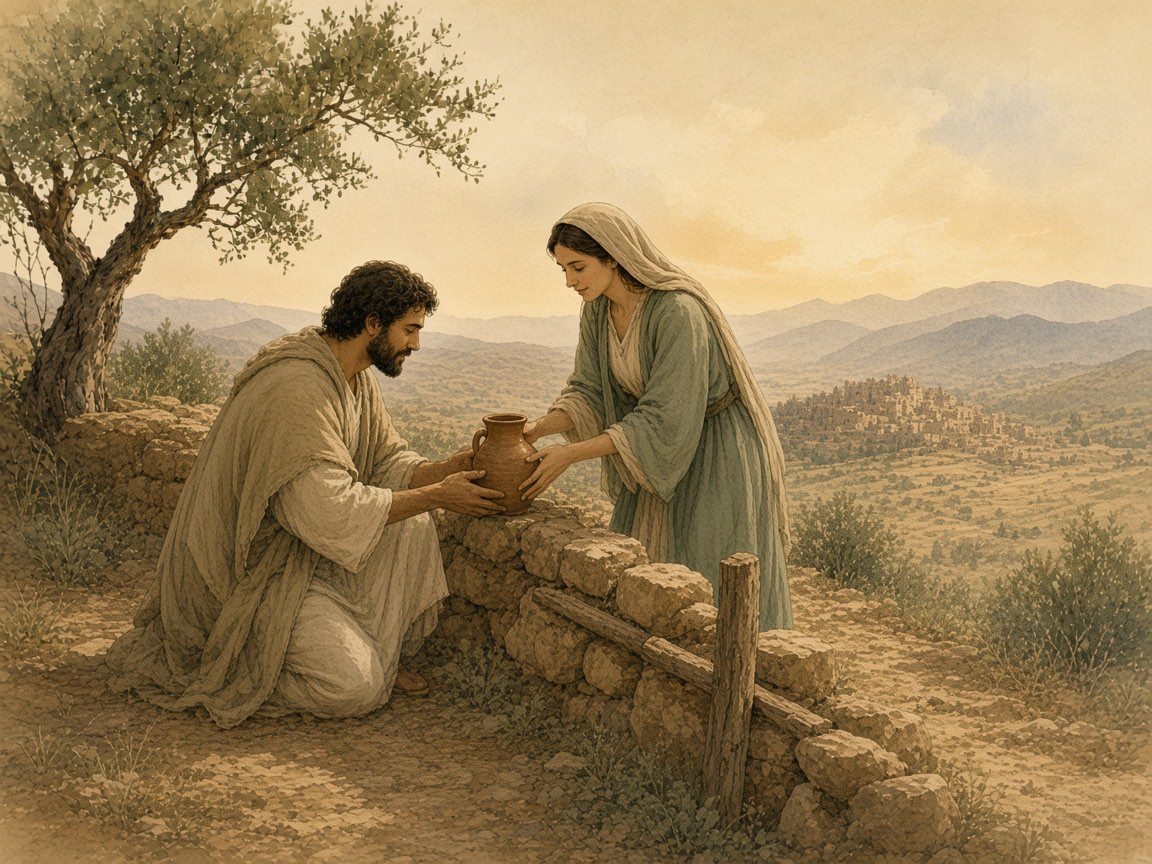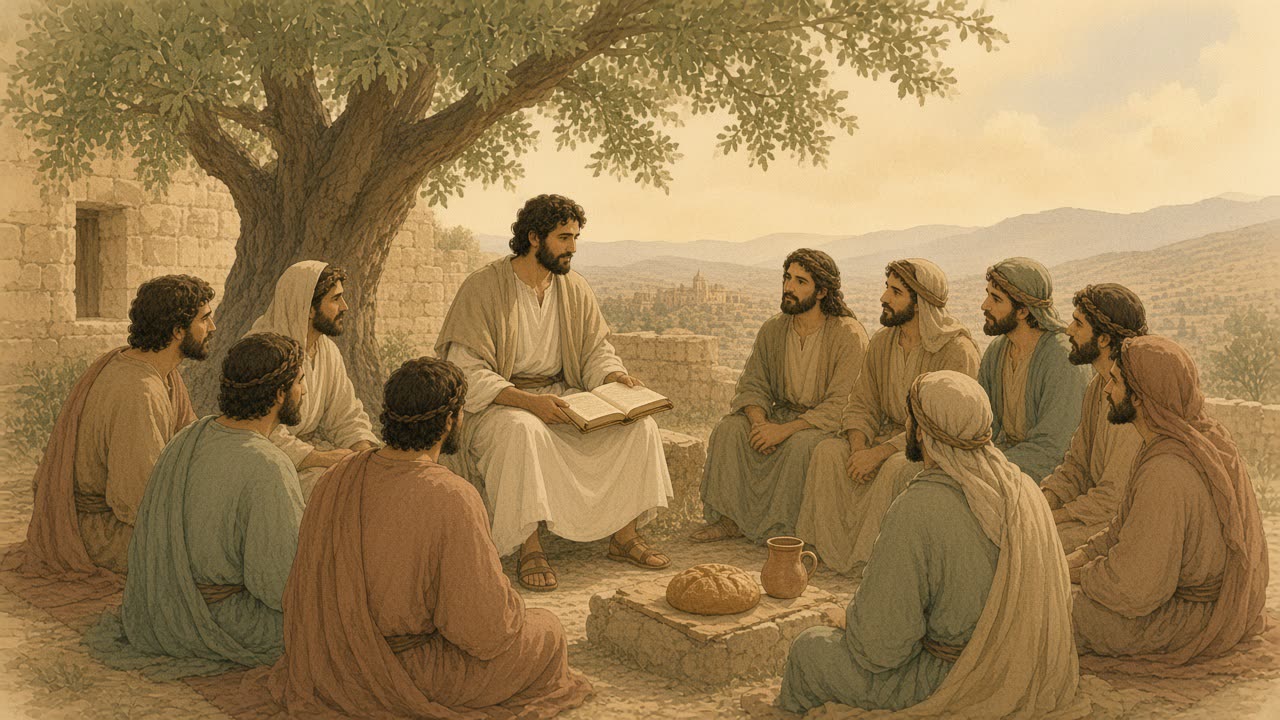
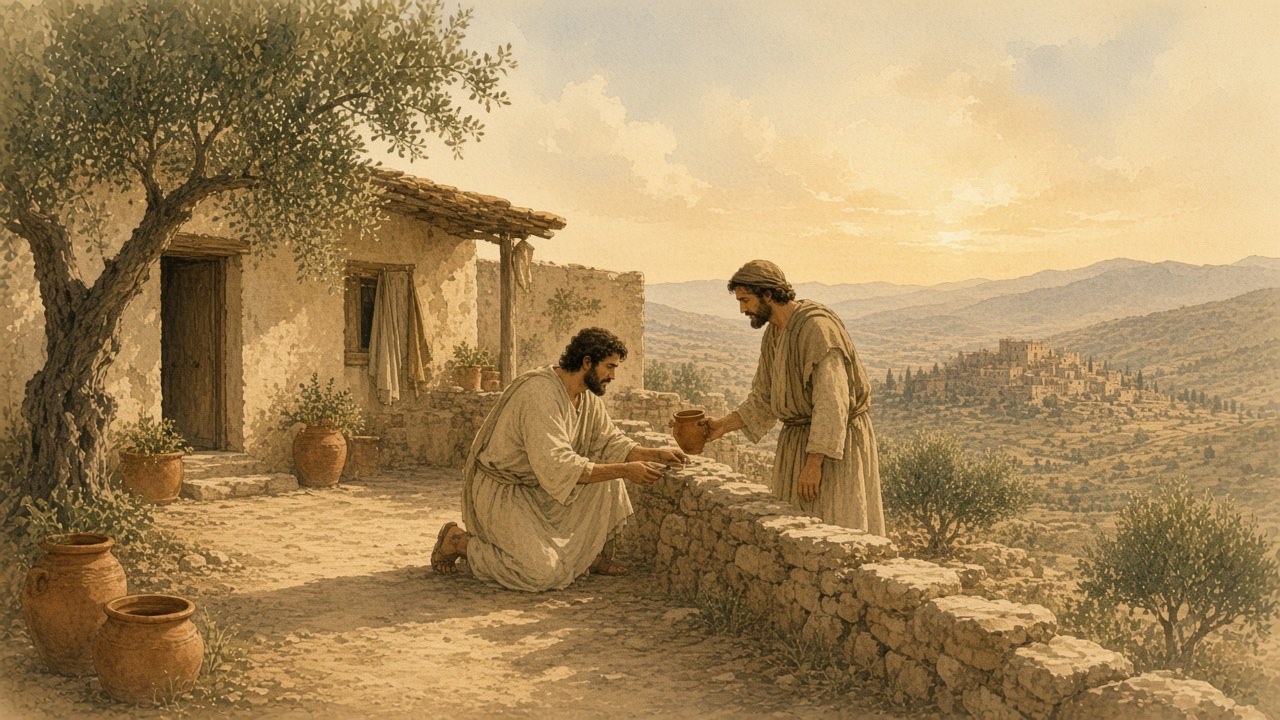
"Do not seek revenge or bear a grudge against anyone among your people, but love your neighbor as yourself. I am the Lord."
— Leviticus 19:18 (NIV)
Leviticus 19:18 is where "love your neighbor as yourself" is first written down, centuries before Jesus quoted it. This page gives the verse, what the key Hebrew words mean, where it sits in Leviticus 19, and a plain reading. For more on the theme, see Bible verses about loving your neighbor, Love and neighbors, and Bible verses about neighbors.
Free PDF
Get the free 30 Days of Love Verses PDF
Sign up for the daily Bible verse email, and get the free 30 Days of Love Verses PDF. 30 Days of Love Verses · Open the PDF
The verse
The King James reads: "Thou shalt not avenge, nor bear any grudge against the children of thy people, but thou shalt love thy neighbour as thyself: I am the LORD."
"Avenge" or "seek revenge" is naqam (H5358), to take vengeance. "Bear a grudge" is natar (H5201), to keep or hold onto, here holding onto anger. "Love" is ahab (H157), and "neighbor" is rea (H7453), a friend, companion, or the person next to you. "I am the LORD" uses God's personal name, Yhwh (H3068).
Where it sits in Leviticus 19
Leviticus 19 opens with God's call, "Be holy because I, the Lord your God, am holy" (Leviticus 19:2). What follows is everyday holiness: leaving part of the harvest for the poor, paying workers on time, not cursing the deaf or tripping the blind, and judging fairly.
The verse just before it says, "Do not hate a fellow Israelite in your heart. Rebuke your neighbor frankly so you will not share in their guilt" (Leviticus 19:17). Later in the chapter the same love is stretched to outsiders: "The foreigner residing among you must be treated as your native-born. Love them as yourself, for you were foreigners in Egypt" (Leviticus 19:34).
What the verse is saying
The command comes with two things not to do. Do not get even, and do not keep a grudge simmering. Love your neighbor as yourself is the alternative: want for them the same care and fairness you want for yourself, even after they have wronged you.
"I am the Lord" is the reason given. People love their neighbors because God is holy and asks His people to be like Him. Jesus called this the second greatest commandment, after loving God (Matthew 22:37-39), and Paul said the whole law is fulfilled in it (Galatians 5:14).
Questions people ask
What does Leviticus 19:18 say?
In the NIV it says, "Do not seek revenge or bear a grudge against anyone among your people, but love your neighbor as yourself. I am the Lord." The KJV says, "Thou shalt not avenge, nor bear any grudge against the children of thy people, but thou shalt love thy neighbour as thyself: I am the LORD."
Is "love your neighbor as yourself" in the Old Testament?
Yes. It is first written in Leviticus 19:18. Jesus quotes it in Matthew 22:39 and Mark 12:31, and Paul quotes it in Romans 13:9-10 and Galatians 5:14.
Who is my neighbor in Leviticus 19?
Verse 18 speaks of "your people," but verse 34 tells Israel to love the foreigner living among them "as yourself" too. Jesus later answered "who is my neighbor?" with the story of the Good Samaritan (Luke 10:29-37).
What does it mean to not bear a grudge?
The Hebrew word means to keep or guard something. Bearing a grudge is holding onto an offense and keeping it alive. The verse asks you to let it go instead of storing it up for later.
What verses go with Leviticus 19:18?
Mark 12:31 (the second greatest command), Romans 12:21 (overcome evil with good), and Matthew 7:12 (do to others what you would have them do to you) are close companions.