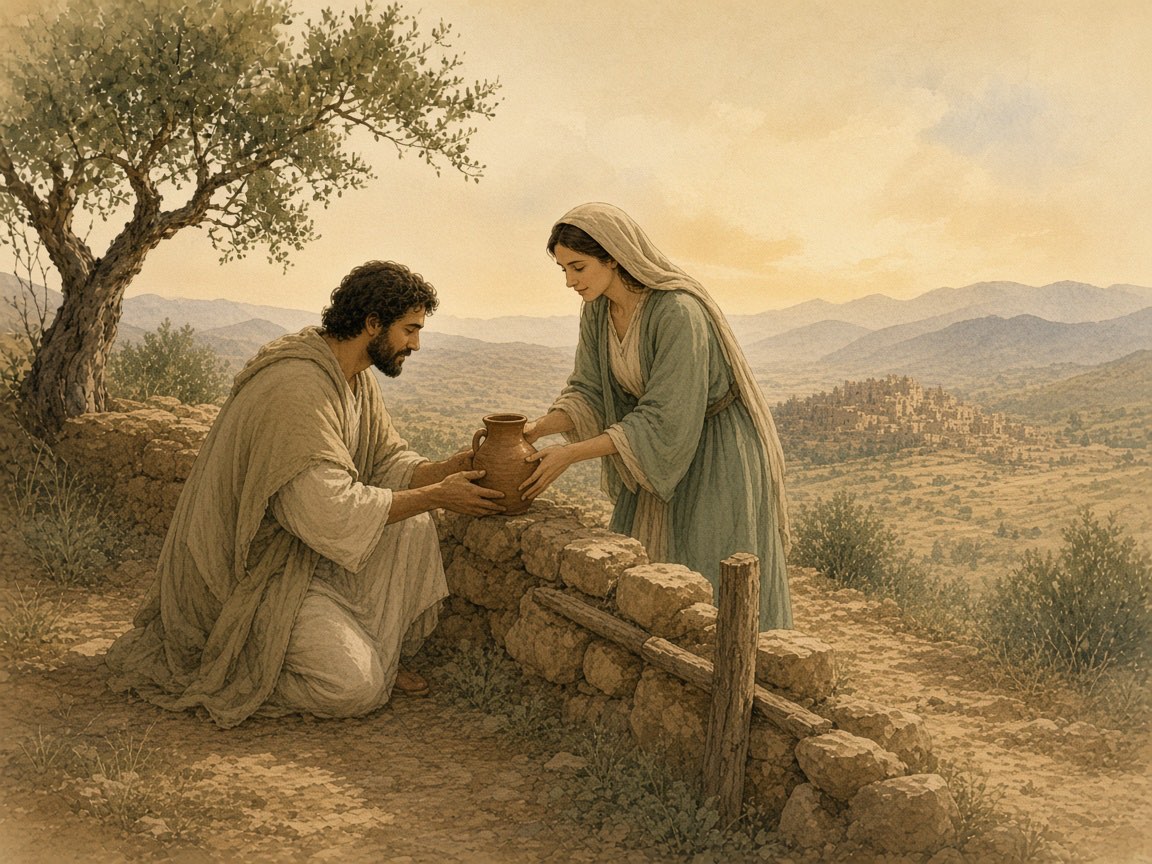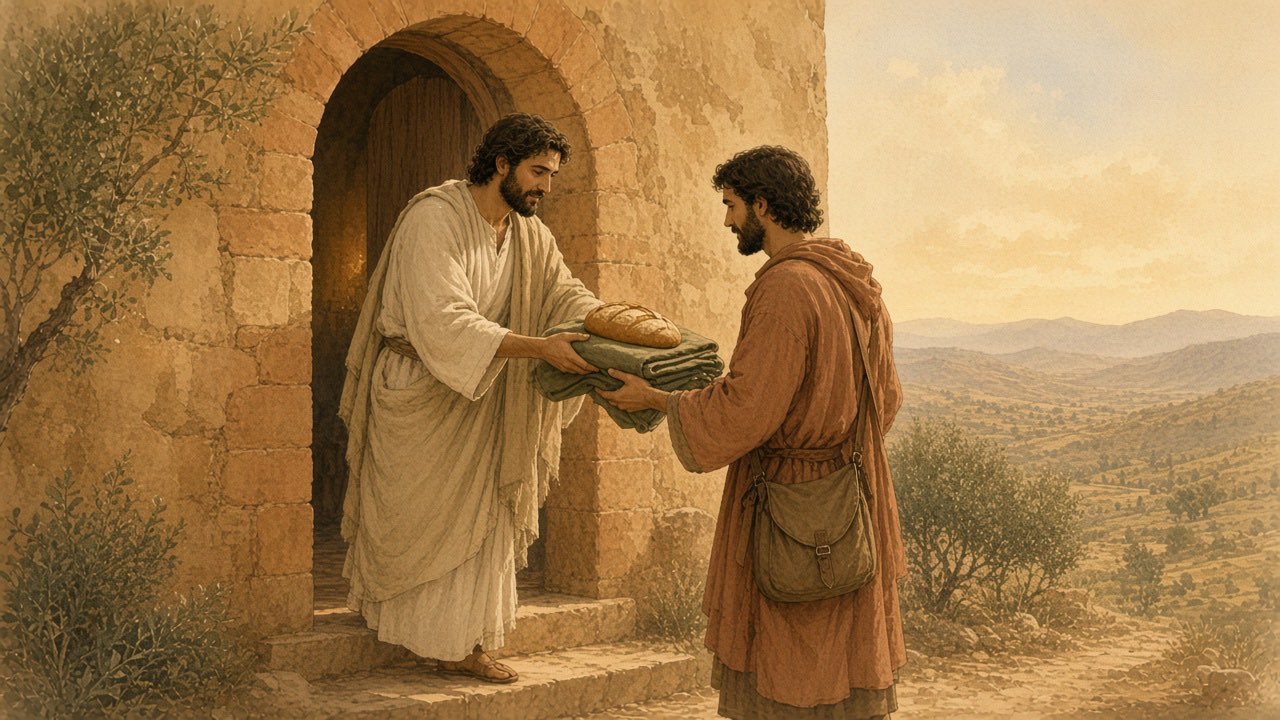
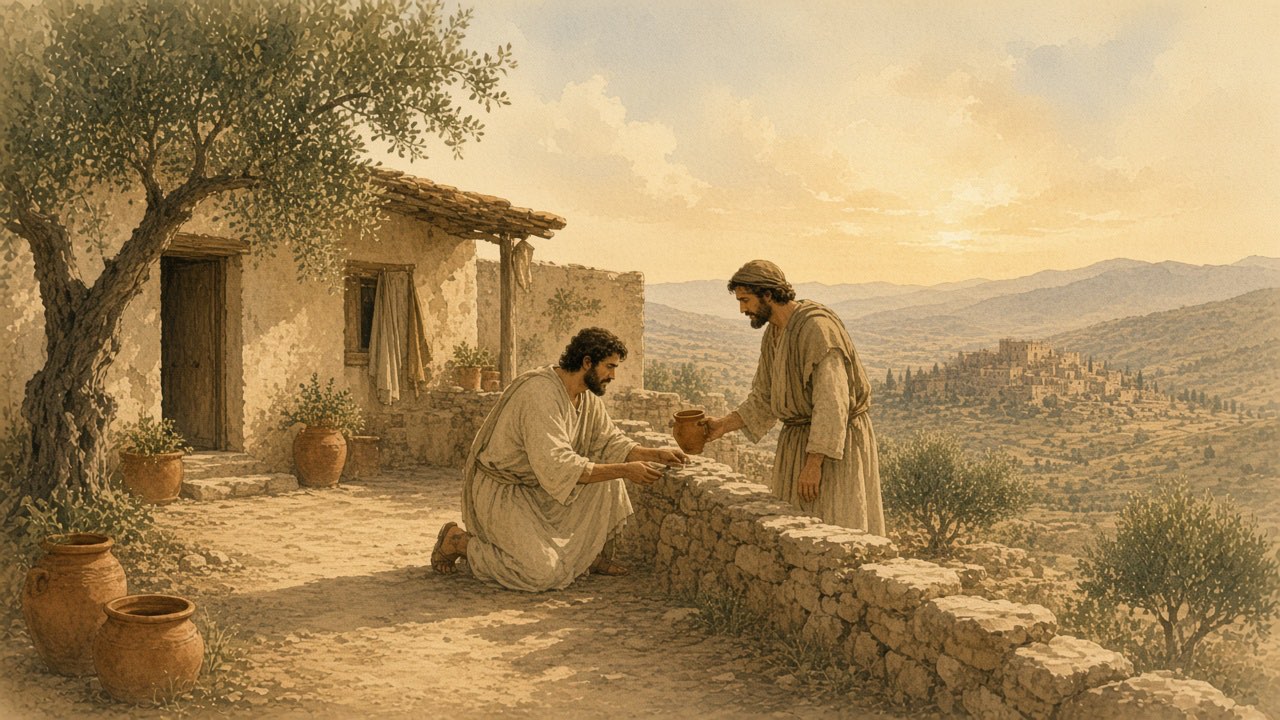
"So in everything, do to others what you would have them do to you, for this sums up the Law and the Prophets."
— Matthew 7:12 (NIV)
Matthew 7:12 is the verse most people know as the Golden Rule, the "do unto others" line from Jesus' Sermon on the Mount. This page gives the verse, what the key words mean, where it sits in Matthew 7, and a plain reading. For more on the theme, see Bible verses about loving others, Bible verses about loving your neighbor, and Bible verses about kindness.
Free PDF
Get the free 30 Days of Love Verses PDF
Sign up for the daily Bible verse email, and get the free 30 Days of Love Verses PDF. 30 Days of Love Verses · Open the PDF
The verse
The King James reads: "Therefore all things whatsoever ye would that men should do to you, do ye even so to them: for this is the law and the prophets."
"In everything" ("all things whatsoever") is built on hosos (G3745), as much as or whatever. "Would" is thelō (G2309), to want or wish. "Do" is poieō (G4160), used twice: what you want done to you, do. "Law" is nomos (G3551) and "Prophets" is prophētēs (G4396), together a common name for the Hebrew Scriptures.
Where it sits in Matthew 7
The verse closes a long stretch of the Sermon on the Mount (Matthew 5-7). Just before it, Jesus talks about asking God: "Ask and it will be given to you; seek and you will find; knock and the door will be opened to you" (Matthew 7:7), ending with, "how much more will your Father in heaven give good gifts to those who ask him!" (Matthew 7:11). The "So" at the start of verse 12 ties the two together: God is generous with you, so be generous with others.
Right after comes the narrow gate: "Enter through the narrow gate" (Matthew 7:13). Luke records the same saying in the Sermon on the Plain: "Do to others as you would have them do to you" (Luke 6:31), just after "love your enemies" (Luke 6:27-28).
What the verse is saying
Jesus gives a test you can use in any situation. Before you act, ask how you would want to be treated if you were the other person, and then treat them that way. It is stated as something to do, not only something to avoid.
He says this "sums up the Law and the Prophets." Later in Matthew he says the same about the two great commandments, to love God and to love your neighbor: "All the Law and the Prophets hang on these two commandments" (Matthew 22:40). Paul puts it the same way: "Love does no harm to a neighbor. Therefore love is the fulfillment of the law" (Romans 13:10).
Questions people ask
What does Matthew 7:12 say?
In the NIV it says, "So in everything, do to others what you would have them do to you, for this sums up the Law and the Prophets." The KJV says, "Therefore all things whatsoever ye would that men should do to you, do ye even so to them."
Why is Matthew 7:12 called the Golden Rule?
"Golden Rule" is a later name, not a phrase from the Bible. It became the common label for this saying because it is short, easy to remember, and covers how to treat everyone.
Where else is the Golden Rule in the Bible?
Luke 6:31 gives it in the Sermon on the Plain: "Do to others as you would have them do to you." Leviticus 19:18, "love your neighbor as yourself," and Romans 13:10 express the same idea.
What does "this sums up the Law and the Prophets" mean?
"The Law and the Prophets" was a way of naming the Scriptures of Jesus' day. He is saying that treating others the way you want to be treated captures what all those commands about loving your neighbor were aiming at.
What verses go with Matthew 7:12?
Luke 6:27-28 (love your enemies), Romans 12:9 (love must be sincere), and Romans 12:10 (honor one another above yourselves) are close companions.