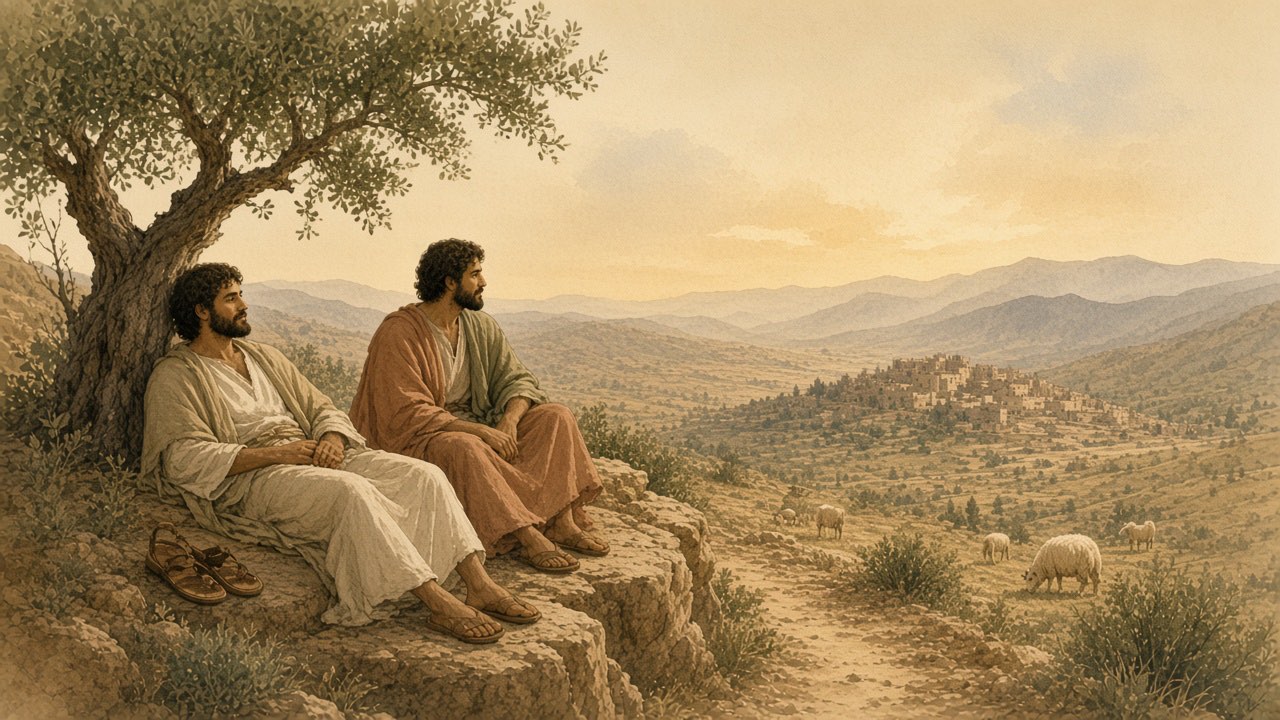
The Biblical Perspective
Rest isn't laziness—it's obedience. The Sabbath command built rest into Israel's weekly rhythm, reflecting God's own pattern after creation. Rest in God goes beyond physical recuperation to spiritual trust: ceasing striving and trusting God to accomplish what we cannot. Renewal happens when we step back from constant productivity. Balance between work and rest honors our design. Spiritual refreshment restores what busyness depletes.
In a culture that celebrates exhaustion and wears busyness as a badge, biblical rest stands as countercultural witness. God commands rest because He loves us and knows what we need.
Key Scriptural Insights
1. God Rested—And So Should We
The pattern begins with creation:
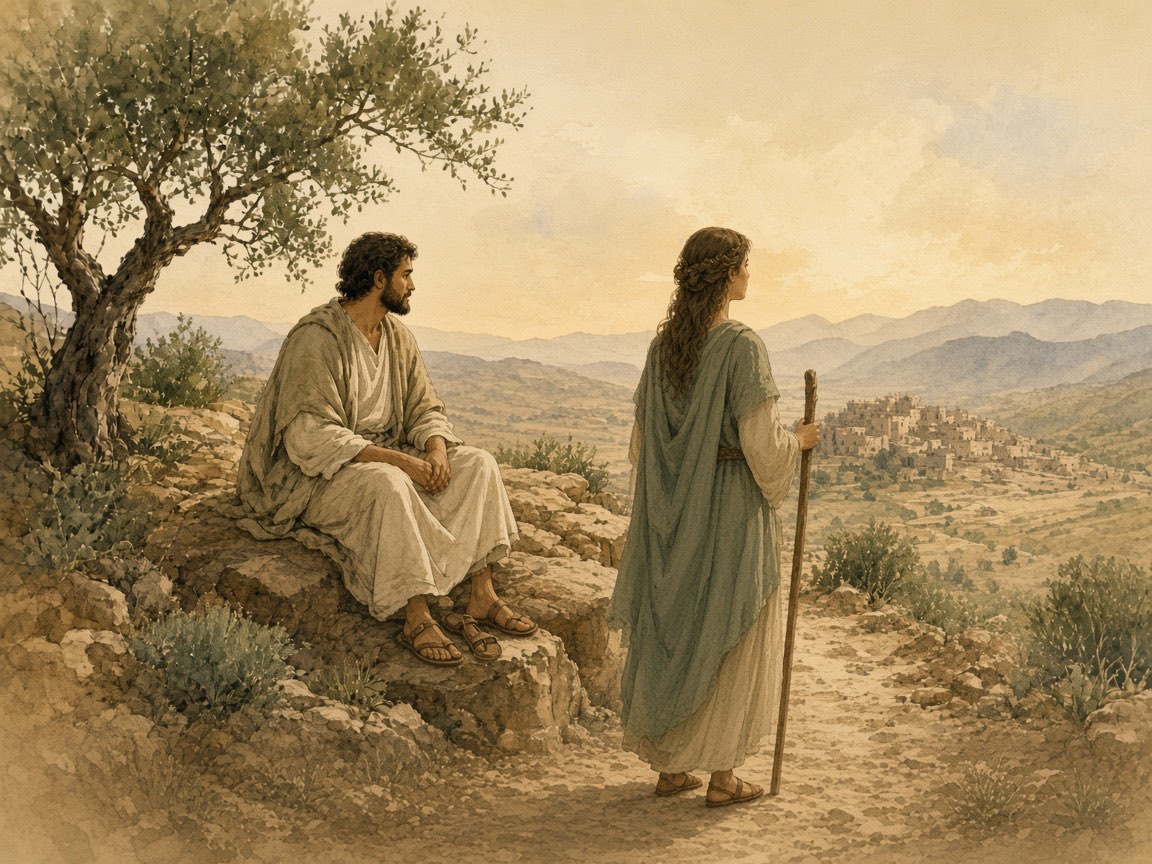
Genesis 2:2-3: "By the seventh day God had finished the work he had been doing; so on the seventh day he rested from all his work. Then God blessed the seventh day and made it holy, because on it he rested from all the work of creating that he had done."
God didn't rest from exhaustion but from completion. He establishes a rhythm that humans are designed to follow.
Exodus 20:8-11: "Remember the Sabbath day by keeping it holy. Six days you shall labor and do all your work, but the seventh day is a sabbath to the LORD your God... For in six days the LORD made the heavens and the earth... but he rested on the seventh day."
The fourth commandment isn't suggestion but command—embedded in the moral foundation of Israel's covenant with God.
2. Jesus Offers Rest
Jesus extended rest's meaning:
Matthew 11:28-30: "Come to me, all you who are weary and burdened, and I will give you rest. Take my yoke upon you and learn from me, for I am gentle and humble in heart, and you will find rest for your souls. For my yoke is easy and my burden is light."
This rest includes:
- Physical refreshment from life's burdens
- Soul rest from religious striving
- Relational rest in walking with Jesus
- Easy yoke versus crushing legalism
Jesus also modeled rest:
- He withdrew to lonely places for prayer (Luke 5:16)
- He slept even during storms (Mark 4:38)
- He took disciples away to rest (Mark 6:31)
3. Rest as Trust
The book of Hebrews develops rest's spiritual dimensions:
Hebrews 4:9-11: "There remains, then, a Sabbath-rest for the people of God; for anyone who enters God's rest also rests from their works, just as God did from his. Let us, therefore, make every effort to enter that rest."
This points toward:
- Present rest: trusting Christ's finished work rather than striving
- Future rest: eternal rest with God
- Paradox: "Make every effort to enter rest"—pursuing rest takes intention
Psalm 46:10: "Be still, and know that I am God." Stillness isn't empty but full—full of knowing God.
Practical Application
How do we practice biblical rest?
Build rest into your rhythm. Whether you observe a literal Sabbath day or find other patterns, regular rest is essential, not optional.
Unplug intentionally. Digital connectivity prevents genuine rest. Create technology-free times for restoration.
Distinguish rest from leisure. Binge-watching isn't necessarily rest. True rest renews; mere leisure may just distract.
Rest in Christ's finished work. Soul rest comes from trusting what Jesus accomplished. Stop trying to earn God's favor—receive it.
Practice stillness. Silence, solitude, and stopping are spiritual disciplines. They create space for renewal and encounter with God.
Sleep sufficiently. Physical rest matters. Sleep deprivation isn't spiritual heroism but poor stewardship.
Release control. Rest requires believing the world continues without your constant activity. Anxiety prevents rest; trust enables it.
Combat guilt. Some feel guilty resting when work remains undone. God commands rest—obeying is not laziness but faithfulness.
Conclusion
God built rest into creation's design and commanded it in His law. Jesus practiced rest and invites us into it. Rest isn't weakness but wisdom.
If you're exhausted, overwhelmed, or burned out—this is Jesus' invitation: Come to me, and I will give you rest.
Stop striving. Trust His finished work. Enter the rest that remains for the people of God. Your soul needs it.