
The Biblical Perspective
Contentment Bible verses offer radical counter-cultural wisdom in an age of perpetual dissatisfaction. Satisfaction found in God replaces endless striving for more. Trust in God enables contentment because He provides what we truly need. Peace accompanies contentment—the anxious grasping for more gives way to grateful rest. And gratitude both produces and reinforces contentment.
Contentment isn't complacency—it's the freedom from discontentedness that drains energy and joy. It's possible to work hard, set goals, and desire growth while remaining content. The key is where satisfaction is sourced: in circumstances or in God.
Key Scriptural Insights
1. Paul's Secret
Philippians 4 contains Scripture's most direct teaching on contentment:
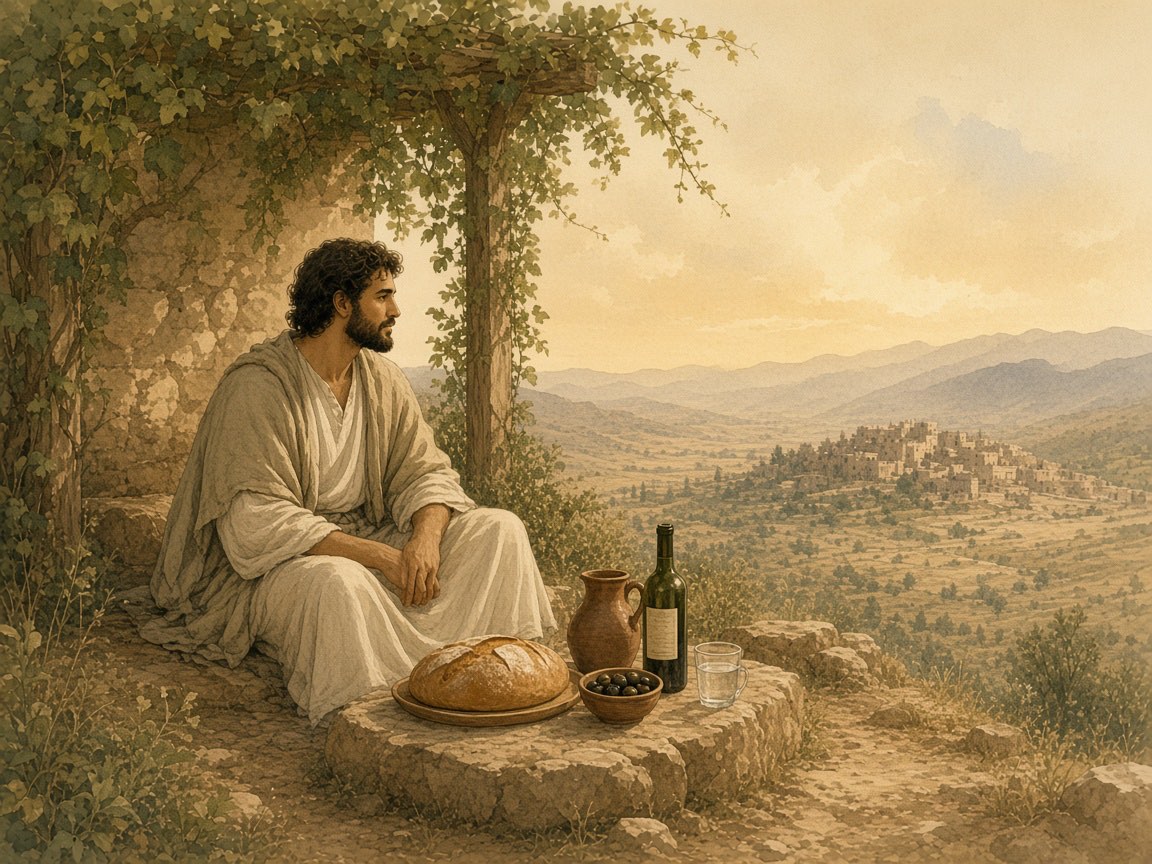
Philippians 4:11-13: "I am not saying this because I am in need, for I have learned to be content whatever the circumstances. I know what it is to be in need, and I know what it is to have plenty. I have learned the secret of being content in any and every situation, whether well fed or hungry, whether living in plenty or in want. I can do all this through him who gives me strength."
Key insights:
- Contentment is learned, not natural
- It works in any and every situation
- It applies both to need and plenty
- The source is Christ's strength, not circumstances
2. Godliness with Contentment
First Timothy connects contentment with spiritual life:
1 Timothy 6:6-8: "But godliness with contentment is great gain. For we brought nothing into the world, and we can take nothing out of it. But if we have food and clothing, we will be content with that."
1 Timothy 6:9-10: "Those who want to get rich fall into temptation and a trap and into many foolish and harmful desires that plunge people into ruin and destruction. For the love of money is a root of all kinds of evil."
Contentment:
- Combined with godliness equals "great gain"
- Recognizes the temporary nature of possessions
- Finds sufficiency in basic needs met
- Protects from money's destructive power
3. Contentment's Source: God Himself
Ultimately, contentment rests in relationship with God:
Psalm 37:4: "Take delight in the LORD, and he will give you the desires of your heart."
Psalm 16:11: "You make known to me the path of life; you will fill me with joy in your presence, with eternal pleasures at your right hand."
Psalm 73:25-26: "Whom have I in heaven but you? And earth has nothing I desire besides you. My flesh and my heart may fail, but God is the strength of my heart and my portion forever."
When God is our portion, we have enough.
Practical Application
How do we cultivate contentment?
Identify discontentment's sources. What stirs discontent? Comparison? Advertising? Social media? Awareness enables resistance.
Practice gratitude aggressively. Thankfulness is contentment's ally. Count blessings; discontentment fades.
Limit exposure to consumption messaging. Advertising exists to create discontent. Reduce input that fuels wanting.
Stop comparing. Comparison is contentment's enemy. Someone always has more. Focus on your own provision.
Distinguish needs from wants. 1 Timothy says food and clothing should suffice. Most discontentment involves wants, not needs.
Trust God's provision. He knows your needs. He provides what you need. Trust enables rest.
Enjoy what you have. Rather than longing for what you lack, fully appreciate what's present. Contentment is enjoying the now.
Find satisfaction in God. Ultimately, only God satisfies completely. Make Him your pursuit.
Conclusion
Contentment is freedom—freedom from the tyranny of always wanting more. It's possible to be content in any circumstance because contentment sources in God, not situation.
Learn what Paul learned. Find the secret he found. Let Christ's strength enable contentment in plenty and in want.
This is great gain: godliness with contentment.