The Biblical Perspective
If pride is the root of all sin, humility is the soil in which every virtue grows. Humility in scripture isn't weakness or low self-esteem—it's accurate self-assessment in light of God's greatness and others' worth. A servant heart sees itself correctly: deeply valued by God, yet not superior to others. Meekness (strength under control) replaces arrogance, and self-promotion gives way to lifting others.
The contrast between pride vs humility runs throughout the Bible, with consistent results: God opposes the proud but gives grace to the humble. Christ-like love necessarily involves humility, for Jesus Himself "made himself nothing by taking the very nature of a servant" (Philippians 2:7). We cannot love like Jesus while clinging to ego, status, or self-interest. Humility isn't merely a nice quality—it's essential to the Christian life.
Key Scriptural Insights
1. Jesus: Humility Incarnate
Philippians 2:5-8 provides the definitive portrait of humility:
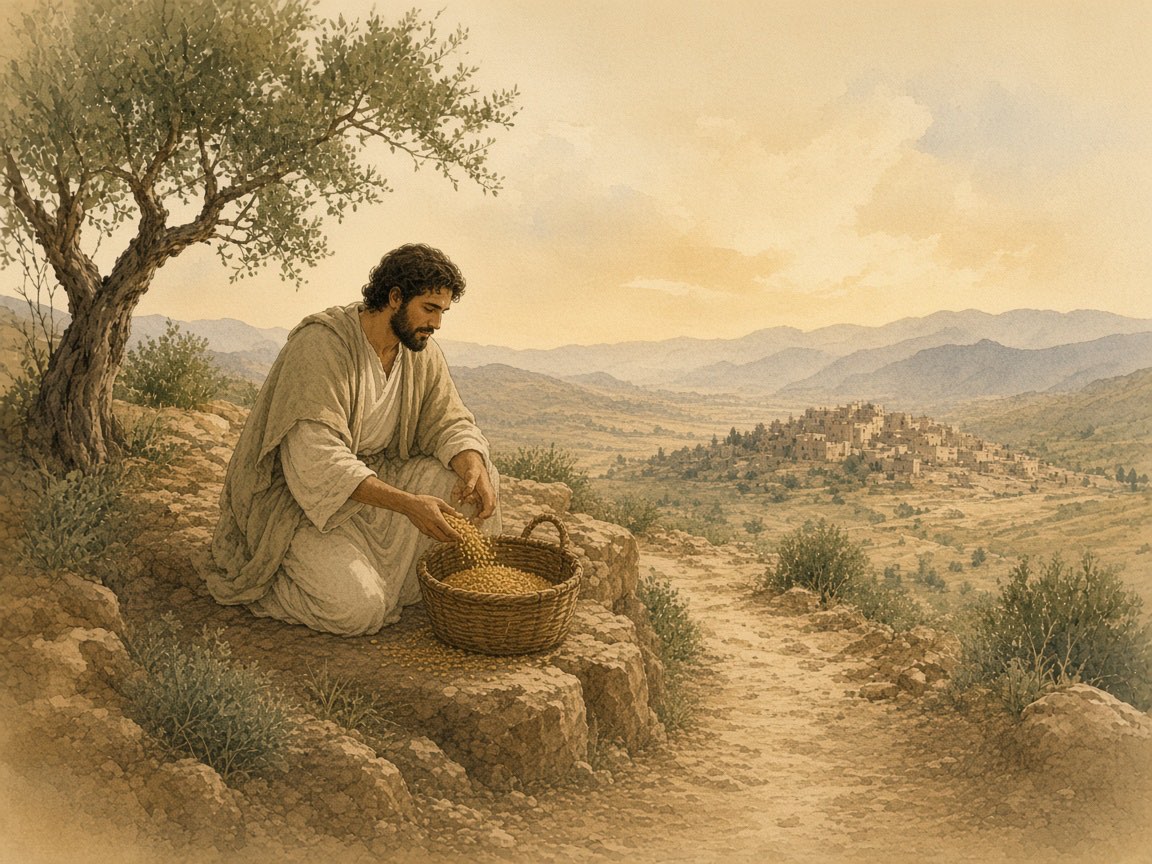
"In your relationships with one another, have the same mindset as Christ Jesus: Who, being in very nature God, did not consider equality with God something to be used to his own advantage; rather, he made himself nothing by taking the very nature of a servant, being made in human likeness. And being found in appearance as a man, he humbled himself by becoming obedient to death—even death on a cross!"
Consider the magnitude: The eternal Son of God—equal with the Father, worshiped by angels, creator of everything—chose to become a helpless infant, live as a common laborer, and die a criminal's death. This is not weakness but the strongest possible love.
Jesus also demonstrated humility in daily interactions:
- He washed His disciples' feet—a slave's task (John 13)
- He welcomed children when disciples shooed them away
- He touched lepers, ate with sinners, and served the marginalized
- He taught: "The greatest among you will be your servant" (Matthew 23:11)
2. The Consequences of Pride and Humility
Scripture presents a consistent pattern regarding pride and humility:
Proverbs 16:18: "Pride goes before destruction, a haughty spirit before a fall." Pride leads to downfall.
Proverbs 11:2: "When pride comes, then comes disgrace, but with humility comes wisdom." Humility opens the door to wisdom.
James 4:6: "God opposes the proud but shows favor to the humble." Divine opposition versus divine favor—the stakes couldn't be higher.
1 Peter 5:5-6: "All of you, clothe yourselves with humility toward one another, because, 'God opposes the proud but shows favor to the humble.' Humble yourselves, therefore, under God's mighty hand, that he may lift you up in due time."
Luke 14:11: "For all those who exalt themselves will be humbled, and those who humble themselves will be exalted." Jesus stated this principle repeatedly.
The pattern is unmistakable: self-exaltation leads to humiliation; self-humbling leads to exaltation. We choose whether to humble ourselves now or be humbled later.
3. Humility in Relationship
Humility fundamentally shapes how we relate to others:
Philippians 2:3-4: "Do nothing out of selfish ambition or vain conceit. Rather, in humility value others above yourselves, not looking to your own interests but each of you to the interests of the others."
Romans 12:3: "Do not think of yourself more highly than you ought, but rather think of yourself with sober judgment, in accordance with the faith God has distributed to each of you."
Romans 12:16: "Live in harmony with one another. Do not be proud, but be willing to associate with people of low position. Do not be conceited."
Ephesians 4:2: "Be completely humble and gentle; be patient, bearing with one another in love."
Humility enables:
- Genuine service (pride demands to be served)
- Honest confession (pride hides failure)
- Teachability (pride thinks it knows everything)
- Forgiveness (pride holds grudges)
- Unity (pride divides through competition)
Practical Application
How do we cultivate humility?
Meditate on God's greatness. True humility flows from proper perspective on God. When we see Him rightly—His holiness, power, wisdom, love—we're appropriately humbled.
Serve in hidden ways. Jesus said to give, pray, and fast secretly (Matthew 6). Practice serving without recognition. When no one notices, your hidden service purifies motives.
Ask for feedback and receive it graciously. Pride resists criticism; humility welcomes input. Seek honest feedback from trusted people, then resist the urge to become defensive.
Celebrate others' successes. Pride envies others' achievements; humility rejoices in them. When someone else is recognized, genuinely celebrate rather than internally competing.
Confess sin promptly. Pride hates admitting failure; humility owns it quickly. When you're wrong, say so. When you sin, confess. Apologies made in humility heal relationships.
Associate with the lowly. Romans 12:16 specifically commands this. Who do you spend time with? Intentionally build relationships with people who can give you nothing in return.
Remind yourself of your dependence on God. You didn't choose your birthplace, your abilities, or your opportunities. Everything is gift. Regular remembrance of dependence counters pride.
Study Jesus. The more you gaze at His humility, the more yours will develop. Let Philippians 2 shape your imagination for what humble living looks like.
Conclusion
Humility isn't thinking less of yourself—it's thinking of yourself less. It frees you from the exhausting task of self-promotion and the prison of ego protection. It opens doors to grace, wisdom, and genuine relationship.
Jesus, the most exalted being in existence, became the most humble servant. He calls us to follow His example—not clinging to status, position, or rights, but freely giving them up for others' good.
In a culture obsessed with personal brand and self-advancement, Christian humility is radically countercultural. It's also radically freeing. May the same mindset that was in Christ Jesus be in you.