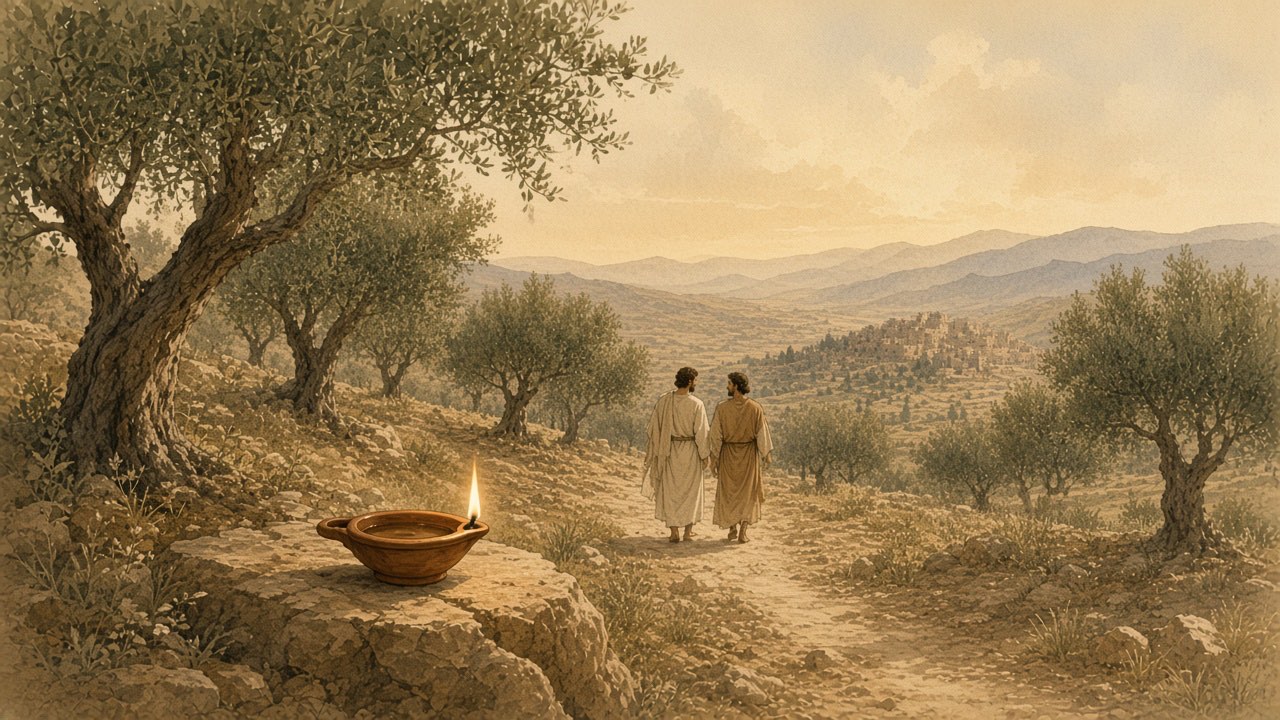
"For I know the plans I have for you," declares the LORD, "plans to prosper you and not to harm you, plans to give you hope and a future."
— Jeremiah 29:11 (NIV)
Jeremiah 29:11 is one of the most looked-up verses in the Bible, and it is often read on its own. This page gives the verse, the letter it sits in, and a plain reading. For more verses on the same theme, see Bible verses about God's plan and Bible verses about hope. For the prophet himself, see Bible verses about Jeremiah.
Free PDF
Get the free 30 Days of Love Verses PDF
Sign up for the daily Bible verse email, and get the free 30 Days of Love Verses PDF. 30 Days of Love Verses · Open the PDF
The verse
Jeremiah 29:11 (NIV) reads: "For I know the plans I have for you," declares the LORD, "plans to prosper you and not to harm you, plans to give you hope and a future."
The King James says, "For I know the thoughts that I think toward you, saith the LORD, thoughts of peace, and not of evil, to give you an expected end." The Hebrew word behind "plans" and "thoughts" is machashabah (H4284), meaning a thought, purpose, or plan. "Prosper" in the NIV is shalom (H7965), which the KJV renders "peace."
The letter it comes from
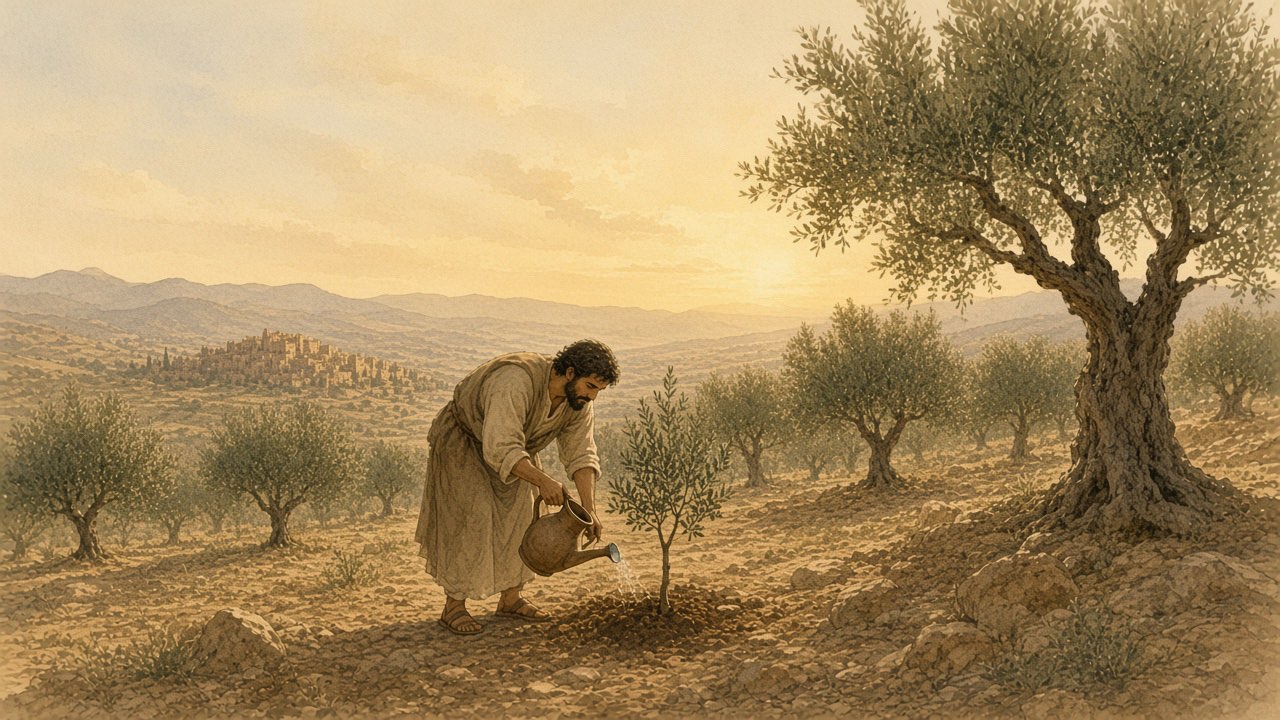
Jeremiah 29 is a letter Jeremiah sent from Jerusalem to the people already carried off to Babylon. He told them to build houses, plant gardens, marry, and "seek the peace and prosperity of the city" where they lived (Jeremiah 29:7). The verse just before says, "When seventy years are completed for Babylon, I will come to you and fulfill my good promise to bring you back to this place" (Jeremiah 29:10).
So the promise was spoken to a whole people in exile, and it came with a long wait. God's plan for them was real, but it did not mean a quick way out. It meant his faithfulness through the years in a foreign city.
What the verse is saying
The verse says God knows his plans for his people, and those plans aim at their good, not their harm. "Hope and a future" points past the exile to restoration. The next lines show what that looks like: "Then you will call on me and come and pray to me, and I will listen to you. You will seek me and find me when you seek me with all your heart" (Jeremiah 29:12-13).
Christians today read the verse as a picture of God's character: he is faithful to his people and has good purposes for them, even in hard seasons. It is best read with the letter around it, not as a promise of an easy life.
Questions people ask
What does Jeremiah 29:11 say?
In the NIV it says, "For I know the plans I have for you," declares the LORD, "plans to prosper you and not to harm you, plans to give you hope and a future."
Who was Jeremiah 29:11 written to?
It was written in a letter to the Jewish exiles in Babylon (Jeremiah 29:1). The promise came alongside a word that the exile would last seventy years (Jeremiah 29:10).
Does Jeremiah 29:11 apply to Christians today?
The words were first spoken to Israel in exile. Many Christians read them as a window into how God treats his people: he is faithful, he hears prayer, and his purposes are good. See Bible verses about God's faithfulness.
What comes after Jeremiah 29:11?
Verses 12-13 say the people will call on God and pray, and he will listen, and that they will find him when they seek him with all their heart. See Bible verses about seeking God.
What is the KJV wording of Jeremiah 29:11?
"For I know the thoughts that I think toward you, saith the LORD, thoughts of peace, and not of evil, to give you an expected end."