
The Biblical Perspective
Leadership in God's kingdom looks radically different from leadership in the world. While secular models often emphasize authority, status, and self-promotion, biblical leaders are called to servant leadership—a posture of humility that prioritizes others' flourishing over personal advancement. Jesus leadership modeled this perfectly: the King of kings washed feet, served meals, and ultimately laid down His life for those He led.
Leading with love doesn't mean weakness or lack of direction. Rather, it means wielding responsibility with grace, making difficult decisions while genuinely caring for people, and pursuing the good of those entrusted to our care. Whether you lead in your home, workplace, church, or community, Scripture provides clear guidance for exercising influence in ways that honor God and bless others.
Key Scriptural Insights
1. Jesus: The Ultimate Servant Leader
No one modeled servant leadership more perfectly than Jesus. He explicitly contrasted His approach with worldly leadership patterns.
In Mark 10:42-45, Jesus told His disciples: "You know that those who are regarded as rulers of the Gentiles lord it over them, and their high officials exercise authority over them. Not so with you. Instead, whoever wants to become great among you must be your servant, and whoever wants to be first must be slave of all. For even the Son of Man did not come to be served, but to serve, and to give his life as a ransom for many."
This passage establishes:
- The worldly pattern to reject: "lording over" others, leveraging position for personal benefit
- The kingdom pattern to embrace: greatness through service, leadership through sacrifice
- Jesus as the model: He came to serve and give, not to be served and receive
John 13 provides a vivid illustration. On the night of His betrayal, Jesus—knowing "that the Father had put all things under his power, and that he had come from God and was returning to God" (v. 3)—got up, wrapped a towel around His waist, and washed the disciples' feet.
The one with ultimate authority performed the most menial task. Afterward, He said: "I have set you an example that you should do as I have done for you" (John 13:15).
2. Characteristics of Godly Leaders
Scripture describes specific qualities required for leadership in God's community. 1 Timothy 3 and Titus 1 outline qualifications for church leaders that apply broadly to any leadership role:
Character over charisma: Leaders must be "above reproach, faithful to his wife, temperate, self-controlled, respectable, hospitable, able to teach" (1 Timothy 3:2). Internal character matters more than external performance.
Manages personal life well: "He must manage his own family well and see that his children obey him, and he must do so in a manner worthy of full respect" (1 Timothy 3:4). Private faithfulness qualifies for public responsibility.
Not new to faith: "He must not be a recent convert, or he may become conceited and fall under the same judgment as the devil" (1 Timothy 3:6). Maturity develops over time; premature leadership breeds pride.
Good reputation: "He must also have a good reputation with outsiders" (1 Timothy 3:7). Character should be evident beyond the Christian community.
Not quick-tempered or overbearing: Titus 1:7 warns against leaders who are "overbearing" or "quick-tempered." Love-based leadership remains patient and gentle even under pressure.
3. Old Testament Models of Leadership
The Old Testament provides both positive and negative examples of leadership:
Moses exemplified humble, intercessory leadership. When God offered to destroy Israel and make a new nation from Moses alone, Moses pleaded for the people (Exodus 32:11-14). His leadership was never about personal advancement.
David is described as a man after God's own heart. He waited patiently for God's timing rather than seizing power prematurely. Even in his failures, he modeled repentance and restoration.
Nehemiah combined vision with sensitivity. He wept over Jerusalem's broken walls, prayed persistently, planned strategically, and led courageously—all while remaining attentive to the struggles of the people.
By contrast, Rehoboam ignored wise counsel and harshly increased burdens on the people (1 Kings 12). His arrogant, self-serving leadership divided the kingdom.
Saul began humbly but grew insecure and power-protective, eventually disobeying God to maintain popular approval (1 Samuel 15). His leadership declined as his ego expanded.
These examples reveal a consistent pattern: humble, God-dependent, people-serving leaders succeed; proud, self-focused, authoritarian leaders fail.
Practical Application
How do we lead with love in our actual spheres of influence?
Lead from below, not above. Ask yourself regularly: "How can I serve those I lead?" Rather than prioritizing comfort or status, look for needs you can meet and burdens you can share.
Listen more than you speak. Proverbs 18:13 warns, "To answer before listening—that is folly and shame." Effective leaders understand before directing. Create space for input and feedback.
Develop others, don't hoard power. 2 Timothy 2:2 instructs: "The things you have heard me say in the presence of many witnesses entrust to reliable people who will also be qualified to teach others." Great leaders multiply leadership by developing others.
Make decisions with care for impact. Consider how your decisions affect the people you lead. Leadership privilege comes with responsibility—your choices shape others' lives.
Admit mistakes quickly. Humble leaders acknowledge when they're wrong. Defensive leaders protect ego; servant leaders protect truth. Your team will trust you more when you own failures.
Lead with vision, not just management. Proverbs 29:18 says, "Where there is no revelation, people cast off restraint." Leaders provide direction and meaning. Paint a picture of where you're going and why it matters.
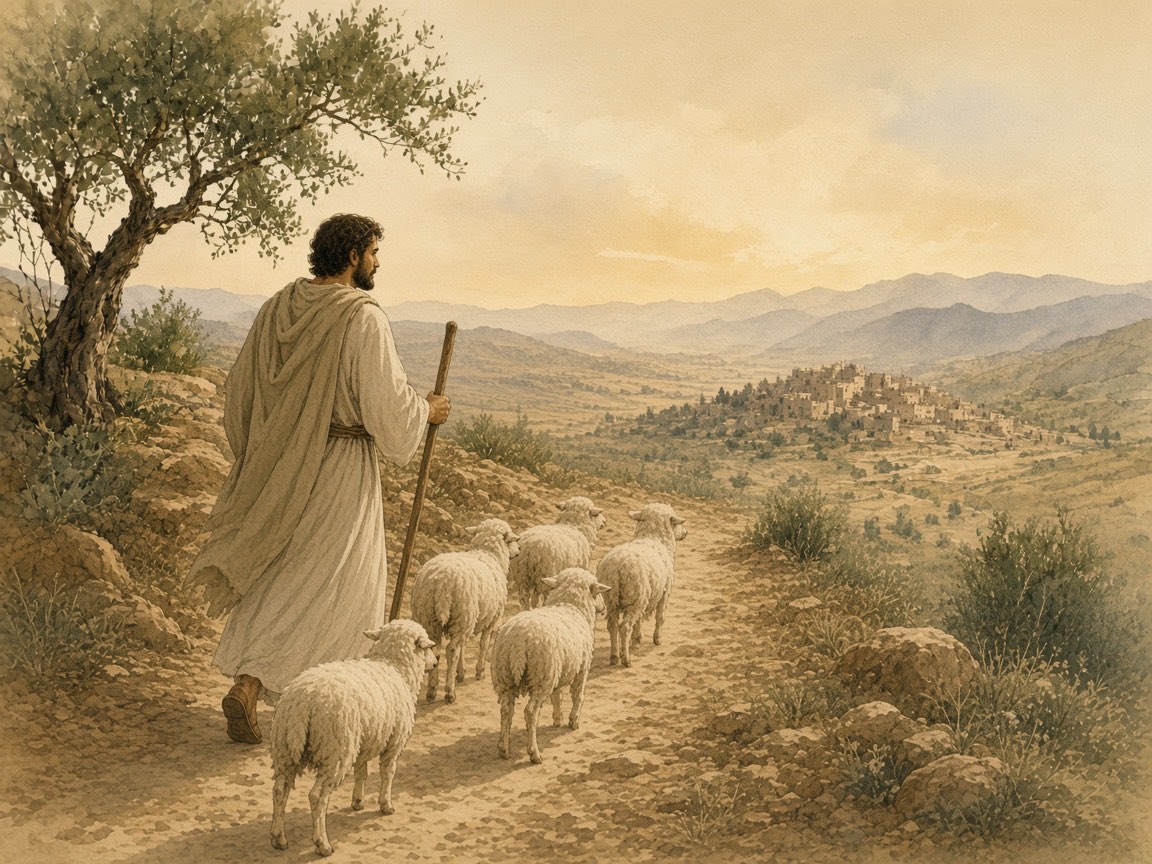
Stay connected to the Chief Shepherd. Peter calls church leaders to "be shepherds of God's flock... not lording it over those entrusted to you, but being examples to the flock" (1 Peter 5:2-3). He then adds: "And when the Chief Shepherd appears, you will receive the crown of glory that will never fade away" (v. 4). All leaders are under-shepherds, accountable to Christ.
Conclusion
Biblical leadership isn't about position or power—it's about service and sacrifice. Jesus, the King of the universe, wrapped a towel around His waist and washed dirty feet. He came not to be served but to serve. This is the model we're called to follow.
Whether you lead a corporation or a small group, a household or a classroom, the principles remain the same: humility over pride, service over status, character over charisma. Lead as Jesus led, and you'll leave a legacy that outlasts your tenure.
May God raise up leaders in every sphere who reflect the servant heart of Christ—leaders who love those they lead and lead through love.