
The Biblical Perspective
The church isn't a building or institution—it's people. The body of Christ comprises all believers united to Jesus by faith. Fellowship among these believers isn't optional extra but essential element of Christian life. Unity despite diversity marks authentic church life. Serving the church expresses love practically, using gifts for the common good. Above all, Christian love characterizes how the church relates internally and witnesses externally.
In a culture of church-hopping, consumeristic Christianity, and spiritual individualism, Scripture presents a radically different vision: committed communities where believers invest in one another's lives, pursue holiness together, and display Christ's love to a watching world.
Key Scriptural Insights
1. What the Church Is
Scripture uses rich imagery to describe the church:
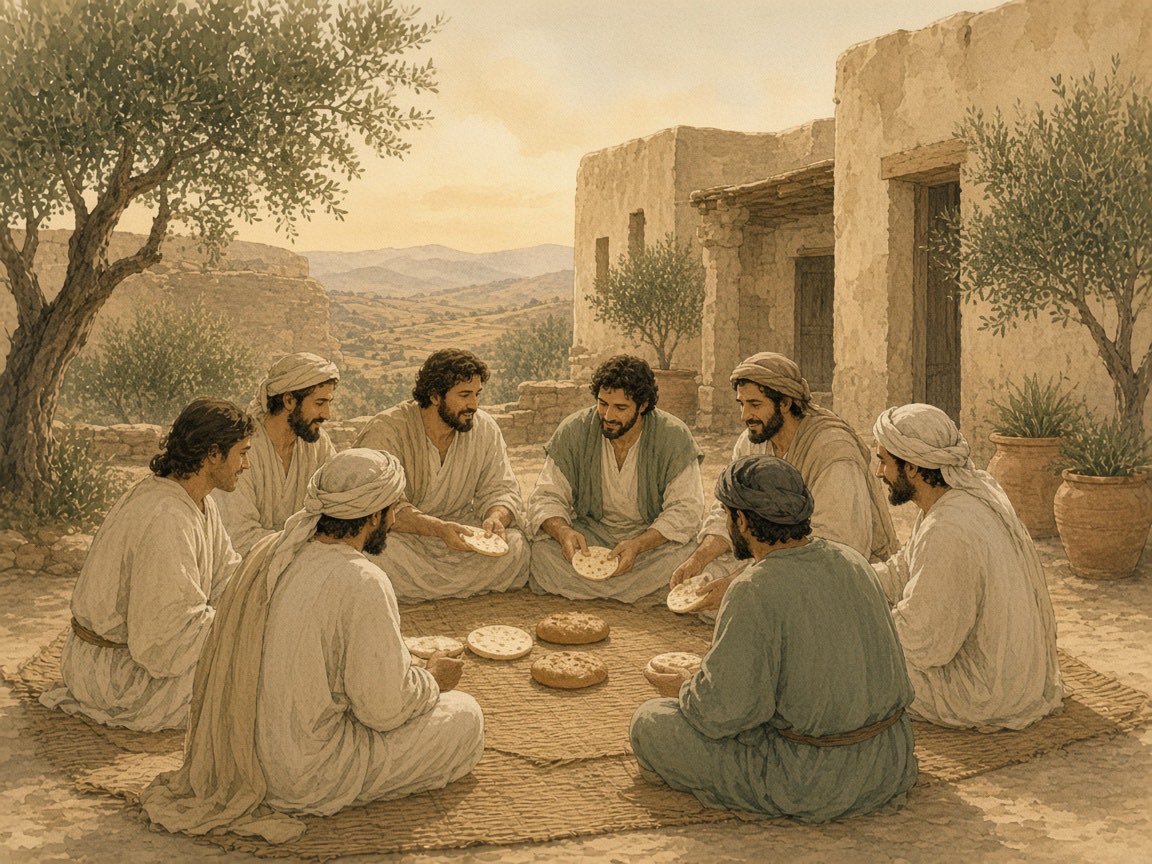
Body of Christ (1 Corinthians 12:27): "Now you are the body of Christ, and each one of you is a part of it." We are organically connected to Christ and one another—interdependent, unified, functioning together.
Bride of Christ (Ephesians 5:25-27): Christ "loved the church and gave himself up for her." The church is precious to Jesus, the object of His sacrificial love.
Temple of the Spirit (Ephesians 2:21-22): Believers are "being built together to become a dwelling in which God lives by his Spirit." The church is where God's presence dwells.
Family of God (Ephesians 2:19): Believers are "members of God's household." The church is family—not merely institution or organization.
Pillar and foundation of truth (1 Timothy 3:15): The church upholds and proclaims God's truth in the world.
2. The Church's Purpose
Scripture identifies several purposes for the church:
Worship: "Speak to one another with psalms, hymns, and songs from the Spirit. Sing and make music from your heart to the Lord" (Ephesians 5:19).
Teaching: "They devoted themselves to the apostles' teaching" (Acts 2:42). Sound doctrine shapes healthy churches.
Fellowship: The "one another" commands require community. Believers encourage, serve, bear burdens, and confess sins to one another.
Evangelism: "Go and make disciples of all nations" (Matthew 28:19). The church exists to spread the gospel locally and globally.
Love: "By this everyone will know that you are my disciples, if you love one another" (John 13:35). Love within the church becomes testimony to the world.
3. Love in the Church
Scripture specifically addresses how church members should treat each other:
Romans 12:10: "Be devoted to one another in love. Honor one another above yourselves."
Galatians 6:10: "As we have opportunity, let us do good to all people, especially to those who belong to the family of believers."
Ephesians 4:15-16: "Speaking the truth in love, we will grow to become in every respect the mature body of him who is the head, that is, Christ. From him the whole body, joined and held together by every supporting ligament, grows and builds itself up in love, as each part does its work."
1 Peter 1:22: "Love one another deeply, from the heart."
1 John 4:11: "Dear friends, since God so loved us, we also ought to love one another."
Practical Application
How do we love the church well?
Commit to a local congregation. The church universal is expressed through local churches. Find one and commit—not as consumer but as participant.
Attend consistently. Hebrews 10:25 warns against forsaking assembly. Show up regularly, even when you don't feel like it. Your presence blesses others; their presence blesses you.
Use your gifts. 1 Peter 4:10 says to use gifts to serve others. Identify what you can offer—teaching, hospitality, encouragement, practical help—and deploy it.
Give financially. The church needs resources to function. Generous giving supports ministry, missions, and member care.
Resolve conflict biblically. Disagreements will arise. Follow Matthew 18 principles: address issues directly, pursue reconciliation, involve others when necessary.
Speak well of your church. Avoid the cynical criticism that characterizes much church talk. Encourage leaders. Celebrate what God is doing. Address concerns directly and constructively.
Welcome newcomers. Remember what it felt like to be new. Go out of your way to make visitors feel welcomed and included.
Pray for your church. Pray for leaders, for unity, for growth, for faithfulness. Intercession supports the church's mission.
Conclusion
Christ loved the church and gave Himself for her. This should shape how seriously we take church commitment. The church isn't perfect—it's filled with sinners being sanctified. But it remains God's plan for displaying His wisdom, deploying His mission, and discipling His people.
We need the church. The church needs us. Together, we become what we could never be alone: the body of Christ, living and loving in a watching world.
May you find your place in a local church, commit to it, serve it, and love the people God has placed around you.