The Biblical Perspective
Scripture presents a nuanced view of wealth. Riches in scripture are sometimes blessing, sometimes temptation, never ultimate. Generosity distinguishes those who handle wealth rightly from those enslaved by it. Stewardship recognizes that all wealth belongs to God and must be managed for His purposes. Contentment protects against wealth's seductive power. And material blessings, while enjoyed gratefully, must never displace hope in God.
Neither poverty nor wealth automatically indicates spiritual condition. What matters is how we relate to whatever economic circumstances we face—whether we trust God, serve others, and hold possessions loosely.
Key Scriptural Insights
1. Wealth's Complexity
Scripture refuses simple categories for wealth:
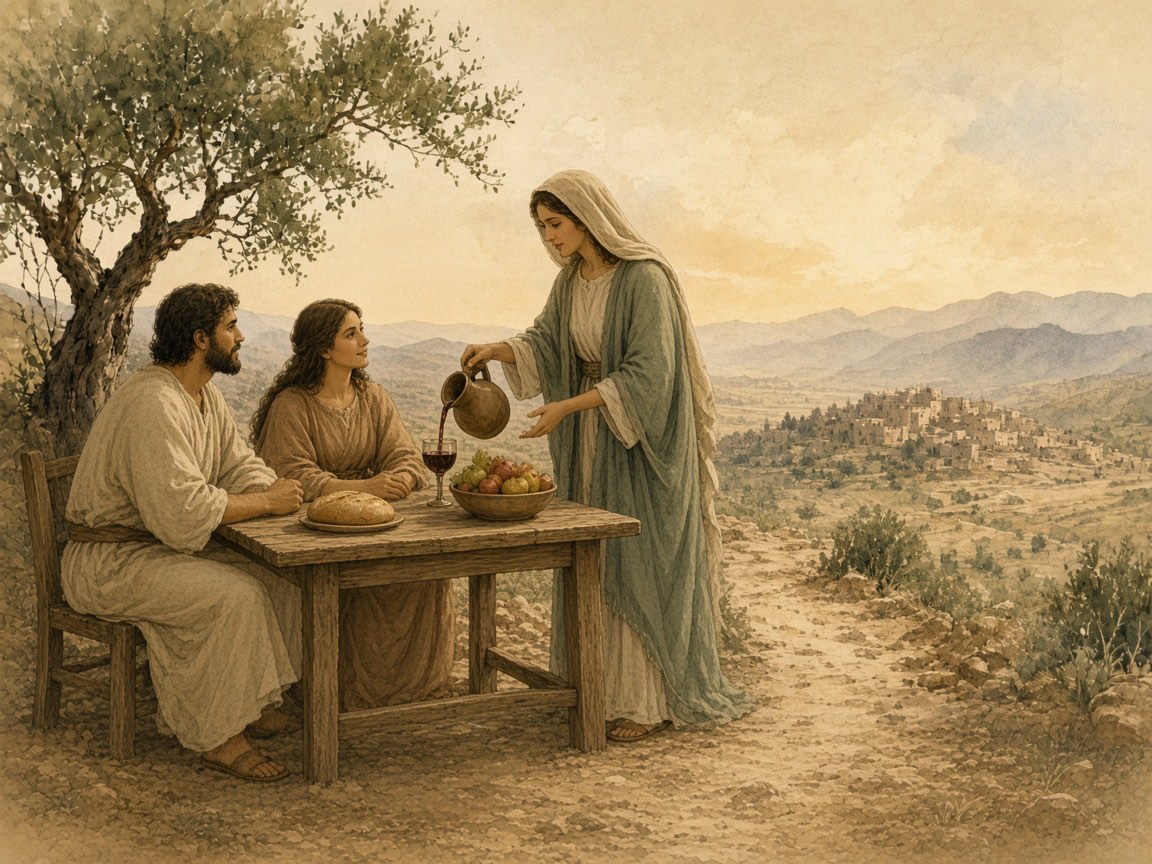
Prosperity as blessing: Abraham (Genesis 13:2), Job (Job 42:10-12), and Solomon (1 Kings 10:23) experienced wealth as God's blessing.
Wealth's dangers: "It is easier for a camel to go through the eye of a needle than for someone who is rich to enter the kingdom of God" (Mark 10:25).
Neither poverty nor riches: Proverbs 30:8-9: "Give me neither poverty nor riches, but give me only my daily bread. Otherwise, I may have too much and disown you and say, 'Who is the LORD?' Or I may become poor and steal, and so dishonor the name of my God."
What remains constant: God is the source of all wealth, and we're accountable for how we handle it.
2. Instructions for the Wealthy
Paul provided specific guidance for wealthy believers:
1 Timothy 6:17-19: "Command those who are rich in this present world not to be arrogant nor to put their hope in wealth, which is so uncertain, but to put their hope in God, who richly provides us with everything for our enjoyment. Command them to do good, to be rich in good deeds, and to be generous and willing to share. In this way they will lay up treasure for themselves as a firm foundation for the coming age."
The commands:
- Don't be arrogant: Wealth can inflate ego; fight it
- Don't hope in wealth: It's uncertain; God is certain
- Enjoy God's provision: Gratitude is appropriate
- Do good: Use resources for others' benefit
- Be generous: Give freely
- Be willing to share: Open-handed rather than tight-fisted
- Store eternal treasure: Present generosity creates future reward
3. The Example of the Early Church
Acts provides glimpses of wealthy believers using their resources:
Acts 4:34-35: "There were no needy persons among them. For from time to time those who owned land or houses sold them, brought the money from the sales and put it at the apostles' feet, and it was distributed to anyone who had need."
Barnabas (Acts 4:36-37) sold a field and gave the proceeds.
Lydia (Acts 16:14-15), a dealer in expensive purple cloth, opened her home for hospitality.
Philemon, wealthy enough to own slaves, hosted the church in his home.
Wealth used generously builds up the body rather than separating from it.
Practical Application
How should Christians relate to wealth?
Thank God for provision. Whatever you have comes from God. Gratitude prevents both arrogance and guilt.
Hold wealth loosely. It's temporary. It can vanish. Don't build your identity or security on what can disappear.
Give generously. Generosity breaks wealth's grip and multiplies blessing. Make giving a priority, not an afterthought.
Meet needs when you can. 1 John 3:17 asks, "If anyone has material possessions and sees a brother or sister in need but has no pity on them, how can the love of God be in that person?"
Avoid comparison. Both envy (toward those who have more) and condescension (toward those who have less) distort relationships.
Live simply by choice. Not because you must but because you can redirect resources toward kingdom purposes.
Invest in people, not just portfolios. Economic wisdom includes saving and planning. But eternal returns come from investment in people and ministry.
Examine regularly. Ask: Has wealth affected my dependence on God? My relationships? My generosity? Let honest assessment shape ongoing decisions.
Conclusion
Wealth is neither goal nor enemy. It's a tool that can build the kingdom or build barriers to it. Scripture's counsel is consistent: enjoy gratefully, hold loosely, give generously, hope in God.
If you have wealth, you have opportunity and responsibility. Use it well—for good, for others, for eternal purposes. Store treasure in heaven, where it lasts forever.