The Biblical Perspective
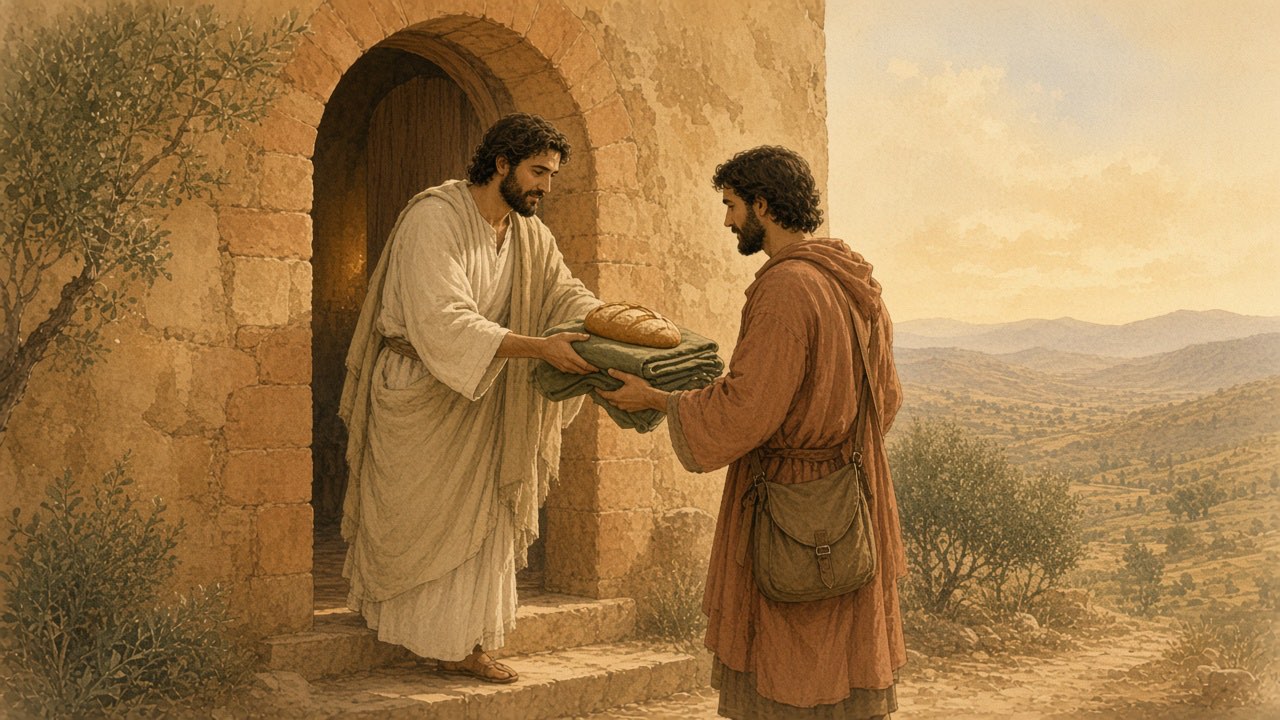
Giving transforms love from sentiment into action. A cheerful giver reflects God's own generous heart—He gave His Son freely and abundantly. Generosity Bible verses fill Scripture, presenting open-handed living as normal Christian discipleship. Stewardship recognizes that everything belongs to God, making generosity simply returning to Him what was never ours. This is love in action—tangible, sacrificial, and life-giving.
Generosity liberates the giver as much as it blesses the receiver. Tightfisted living enslaves to fear and accumulation; openhanded living releases into freedom and joy.
Key Scriptural Insights
1. God: The Generous Giver
All human generosity flows from imitating God:

John 3:16: "For God so loved the world that he gave his one and only Son." God's love expressed itself in extravagant giving.
James 1:17: "Every good and perfect gift is from above, coming down from the Father of the heavenly lights."
Matthew 7:11: "If you, then, though you are evil, know how to give good gifts to your children, how much more will your Father in heaven give good gifts to those who ask him!"
Romans 8:32: "He who did not spare his own Son, but gave him up for us all—how will he not also, along with him, graciously give us all things?"
God is the supreme giver. Our generosity mirrors His character.
2. The Heart of Giving
Scripture addresses not just what we give but how:
2 Corinthians 9:6-8: "Remember this: Whoever sows sparingly will also reap sparingly, and whoever sows generously will also reap generously. Each of you should give what you have decided in your heart to give, not reluctantly or under compulsion, for God loves a cheerful giver. And God is able to bless you abundantly."
Key insights:
- Generous sowing produces generous reaping
- Giving is decided in the heart (intentional, not impulsive)
- Not reluctant (freely given)
- Not under compulsion (voluntary, not coerced)
- Cheerful (joyful, not grudging)
Mark 12:41-44 tells of the widow's offering. She gave two small coins—all she had—while others gave larger amounts from surplus. Jesus said she "put more into the treasury than all others" because she gave sacrificially.
Matthew 6:1-4 warns against giving for recognition: "When you give to the needy, do not let your left hand know what your right hand is doing, so that your giving may be in secret."
3. The Promise of Generosity
Scripture connects generosity with blessing:
Proverbs 11:24-25: "One person gives freely, yet gains even more; another withholds unduly, but comes to poverty. A generous person will prosper; whoever refreshes others will be refreshed."
Luke 6:38: "Give, and it will be given to you. A good measure, pressed down, shaken together and running over, will be poured into your lap. For with the measure you use, it will be measured to you."
Acts 20:35: Paul quoted Jesus: "It is more blessed to give than to receive."
Philippians 4:19: "And my God will meet all your needs according to the riches of his glory in Christ Jesus." This follows Paul's commendation of the Philippians' generosity.
Note: These promises aren't prosperity formulas guaranteeing wealth. Rather, they affirm that generosity opens channels of blessing—material, relational, and spiritual.
Practical Application
How do we grow in generosity?
Give first, not last. Make giving a priority, not what's left over. Set aside a portion of income before spending.
Plan your giving. 2 Corinthians 9:7 says give "what you have decided in your heart." Intentional giving exceeds impulsive giving.
Give locally and globally. Support your local church, local needs, and global missions. Different giving channels address different needs.
Give responsibly. Research organizations. Ensure gifts are used effectively. Faithful stewardship includes wise giving.
Give time and skills, not just money. Generosity includes serving, helping, and using abilities for others' benefit.
Increase proportionally. As income grows, increase giving. Don't let lifestyle inflation consume abundance.
Give sacrificially sometimes. Occasional radical generosity—beyond comfort—deepens trust and multiplies impact.
Teach generosity. Model and instruct children in giving. Generosity is learned; teach it early.
Conclusion
Generosity flows from understanding that everything is gift. We who have received give freely. We who have been loved share love through tangible sacrifice.
The Bible presents generosity as normal Christianity, not exceptional heroism. Cheerful, sacrificial, intentional giving marks those who know God's generosity toward them.
Give freely. Give cheerfully. Give in response to God's overwhelming generosity toward you. And discover the truth: it really is more blessed to give than to receive.