The Biblical Perspective
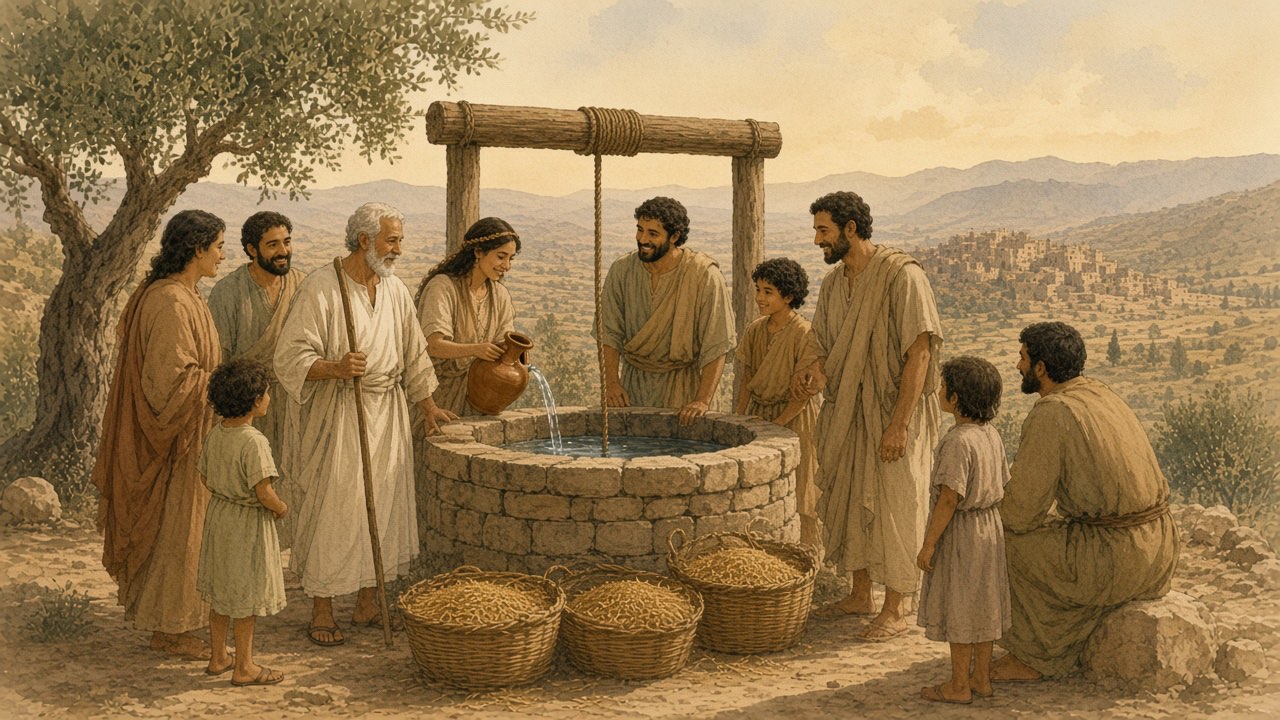
Christianity was never meant to be practiced alone. Christian community provides the context for spiritual growth, mutual encouragement, and practical love. Fellowship (Greek: koinonia) describes the deep sharing of life among believers—far more than casual acquaintance. Unity in Christ transcends the divisions that separate people in the world. The church family becomes the household of God, where believers love as brothers and sisters. Loving together expresses the one-another commands that fill the New Testament.
In an age of increasing isolation and superficial connections, biblical community stands as both gift and witness. We need one another, and the world needs to see how Christians love each other.
Key Scriptural Insights
1. The Early Church: A Model Community
Acts provides a stunning picture of early Christian community:
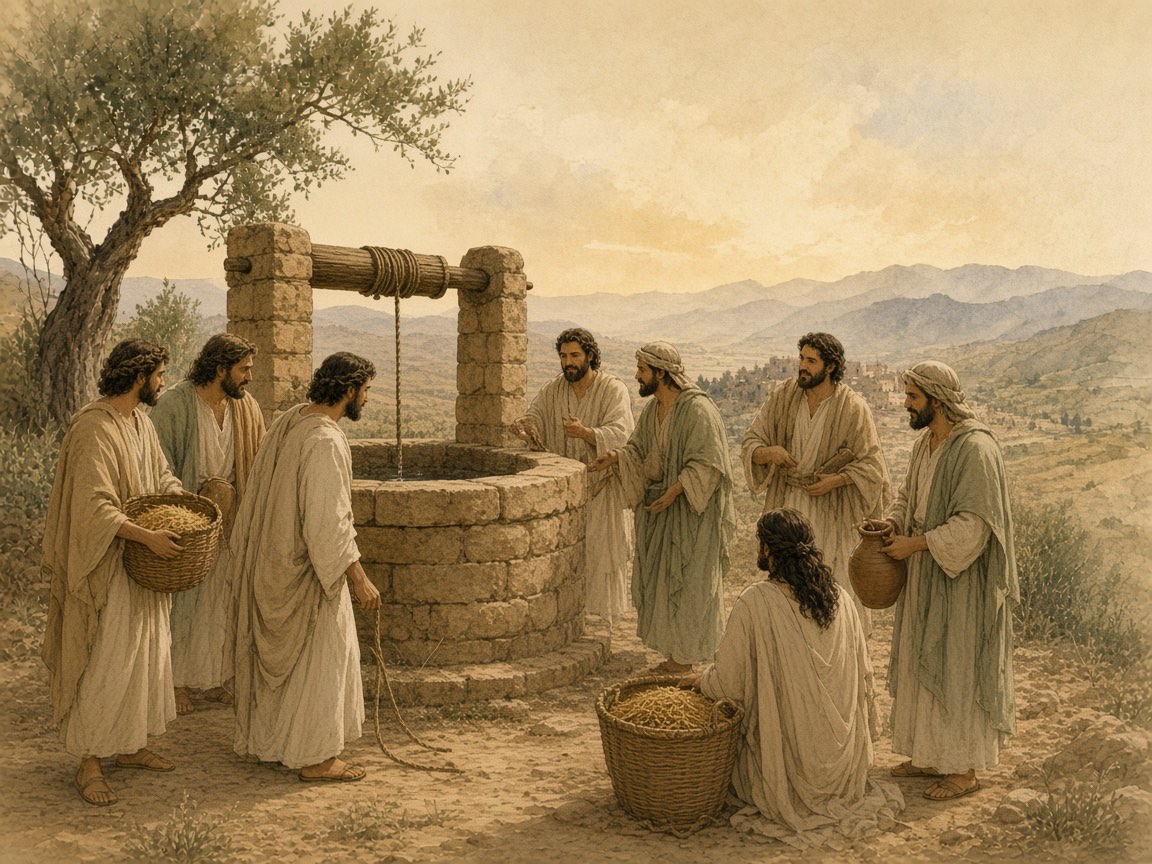
Acts 2:42-47: "They devoted themselves to the apostles' teaching and to fellowship, to the breaking of bread and to prayer... All the believers were together and had everything in common. They sold property and possessions to give to anyone who had need. Every day they continued to meet together... They broke bread in their homes and ate together with glad and sincere hearts, praising God and enjoying the favor of all the people."
Acts 4:32-35: "All the believers were one in heart and mind. No one claimed that any of their possessions was their own, but they shared everything they had... There were no needy persons among them."
This wasn't communism imposed by force but love expressed by choice. The community was marked by:
- Shared teaching: Common commitment to apostolic instruction
- Deep fellowship: Real sharing of life together
- Radical generosity: Meeting one another's needs sacrificially
- Unity: One heart and mind despite diverse backgrounds
2. The Body of Christ
Paul's body metaphor illustrates community's nature:
1 Corinthians 12:12-14, 26-27: "Just as a body, though one, has many parts, but all its many parts form one body, so it is with Christ... The eye cannot say to the hand, 'I don't need you!'... If one part suffers, every part suffers with it; if one part is honored, every part rejoices with it. Now you are the body of Christ, and each one of you is a part of it."
The body image teaches:
- Interdependence: We need each other; no one is self-sufficient
- Diversity within unity: Different gifts and roles serve the whole
- Shared experience: When one suffers, all suffer; when one rejoices, all rejoice
- Belonging: Every member matters and has a place
Romans 12:5: "So in Christ we, though many, form one body, and each member belongs to all the others."
3. The "One Another" Commands
The New Testament contains dozens of "one another" commands that require community to fulfill:
- "Love one another" (John 13:34)
- "Be devoted to one another" (Romans 12:10)
- "Accept one another" (Romans 15:7)
- "Serve one another" (Galatians 5:13)
- "Bear with one another" (Ephesians 4:2)
- "Forgive one another" (Colossians 3:13)
- "Encourage one another" (1 Thessalonians 5:11)
- "Confess your sins to one another" (James 5:16)
- "Carry each other's burdens" (Galatians 6:2)
These commands are impossible in isolation. They presuppose close, committed relationships where love is practiced daily.
Practical Application
How do we build and participate in biblical community?
Commit to a local church. Hebrews 10:25 warns against "giving up meeting together." Find a church where Scripture is taught, worship is genuine, and community is valued. Then commit—show up consistently.
Move beyond superficiality. Sunday morning handshakes aren't community. Pursue deeper connection: small groups, shared meals, regular rhythms of togetherness.
Practice vulnerability. James 5:16 says to confess sins to one another. This requires vulnerability. Share struggles, not just successes. Trust grows through authenticity.
Serve actively. Community isn't just receiving—it's giving. Use your gifts to serve others. Look for needs and meet them. Contribute rather than just consume.
Work through conflict. Real community includes friction. Rather than withdrawing when offended, practice Matthew 18 conflict resolution. Pursue reconciliation.
Stay when it's hard. Our culture encourages leaving when relationships get difficult. Countercultural community stays, forgives, and works through problems together.
Prioritize time together. In busy lives, community gets squeezed out. Protect time for fellowship as you protect time for any priority.
Care for needs practically. Acts 2 believers shared resources generously. Look for opportunities to meet practical needs—meals, help, financial assistance, transportation.
Conclusion
We were made for community. God Himself exists in community—Father, Son, and Spirit. He creates humans for relationship and redeems us into a new family.
The church—imperfect as it is—remains God's plan for our maturation, encouragement, and witness. In community, we learn to love. Through community, we display Christ's love to the world.
Don't go it alone. Find your place in the body of Christ, and practice the sacrificial, forgiving, encouraging love that marks Jesus' people.