The Biblical Perspective
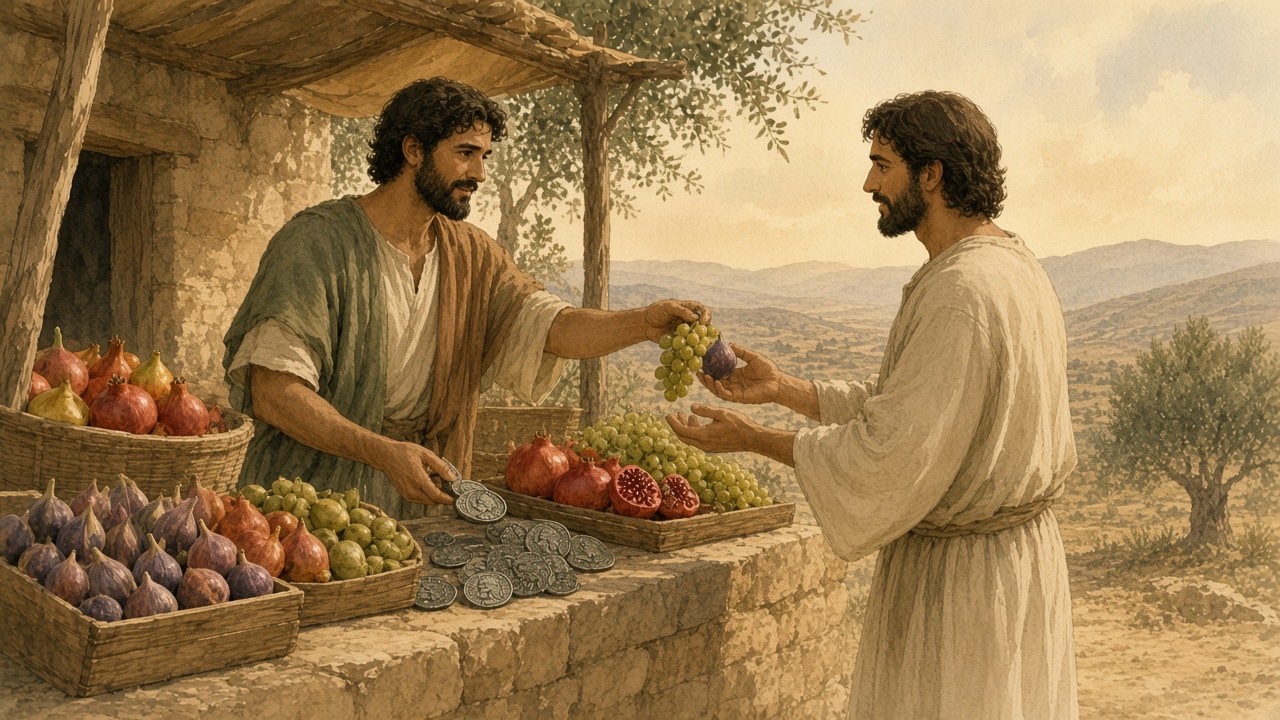
Money in the Bible is neither praised nor condemned—it's a tool. What matters is our relationship to it. The love of money is the root of all kinds of evil, not money itself. How we relate to money reveals our hearts, tests our faith, and shapes our character. Generosity marks those who hold money loosely, while stewardship recognizes that everything belongs to God and we merely manage it. Financial wisdom applies biblical principles to everyday decisions about earning, spending, saving, and giving.
Jesus spoke frequently about money—more than about prayer or heaven. He knew money's power to compete for the heart's allegiance. Understanding Scripture's teaching on money is essential for faithfully following Him.
Key Scriptural Insights
1. The Danger: Love of Money
Scripture warns repeatedly about money's seductive power:
1 Timothy 6:10: "For the love of money is a root of all kinds of evil. Some people, eager for money, have wandered from the faith and pierced themselves with many griefs."
Matthew 6:24: "No one can serve two masters. Either you will hate the one and love the other, or you will be devoted to the one and despise the other. You cannot serve both God and money."
Luke 12:15: "Watch out! Be on your guard against all kinds of greed; life does not consist in an abundance of possessions."
Proverbs 23:4-5: "Do not wear yourself out to get rich; do not trust your own cleverness. Cast but a glance at riches, and they are gone, for they will surely sprout wings and fly off to the sky like an eagle."
The problem isn't having money but loving money—making it ultimate, trusting it for security, letting it control decisions.
2. Stewardship: Everything Belongs to God
Scripture reframes our relationship with possessions:
Psalm 24:1: "The earth is the LORD's, and everything in it, the world, and all who live in it."
1 Chronicles 29:14: "Everything comes from you, and we have given you only what comes from your hand."
1 Corinthians 4:7: "What do you have that you did not receive?"
Luke 16:10-11: "Whoever can be trusted with very little can also be trusted with much, and whoever is dishonest with very little will also be dishonest with much. So if you have not been trustworthy in handling worldly wealth, who will trust you with true riches?"
Stewardship recognizes:
- God owns everything
- We manage what He entrusts
- We're accountable for our management
- Faithfulness in material things reflects deeper faithfulness
3. Generosity: Money's Highest Use
Scripture consistently calls believers to generosity:
Proverbs 11:24-25: "One person gives freely, yet gains even more; another withholds unduly, but comes to poverty. A generous person will prosper; whoever refreshes others will be refreshed."
2 Corinthians 9:6-7: "Whoever sows sparingly will also reap sparingly, and whoever sows generously will also reap generously. Each of you should give what you have decided in your heart to give, not reluctantly or under compulsion, for God loves a cheerful giver."
1 Timothy 6:18-19: "Command them to do good, to be rich in good deeds, and to be generous and willing to share. In this way they will lay up treasure for themselves as a firm foundation for the coming age."
Matthew 6:19-21: "Do not store up for yourselves treasures on earth... But store up for yourselves treasures in heaven... For where your treasure is, there your heart will be also."
Practical Application
How do we handle money faithfully?
Examine your heart. Is money a tool or an idol? Do you trust God or wealth for security? Honest assessment is the starting point.
Give first. Making generosity the first priority—not what's left over—reorders financial life around kingdom values.
Live within means. Debt enslaves; contentment liberates. Resist the pressure to overspend and the trap of comparison.
Hold loosely. Everything is God's anyway. Cultivate open-handed generosity rather than tight-fisted hoarding.
Invest eternally. Jesus promised treasure in heaven for earthly generosity. Make financial decisions with eternal perspective.
Practice contentment. 1 Timothy 6:6 says, "Godliness with contentment is great gain." Want what you have rather than having what you want.
Be honest. Financial integrity matters—in taxes, business dealings, and promises. Proverbs 10:9 says, "Whoever walks in integrity walks securely."
Seek wisdom. Proverbs offers extensive financial wisdom: avoiding debt, planning ahead, working diligently. Apply Scripture's principles practically.
Conclusion
Money isn't evil—it's amoral. What matters is whether we love money or use money to love. Those who serve money become its slaves. Those who steward money for God's purposes find freedom and joy.
Let generosity mark your financial life. Hold possessions loosely. Trust God for security. Store treasure where it lasts forever.