The Biblical Perspective
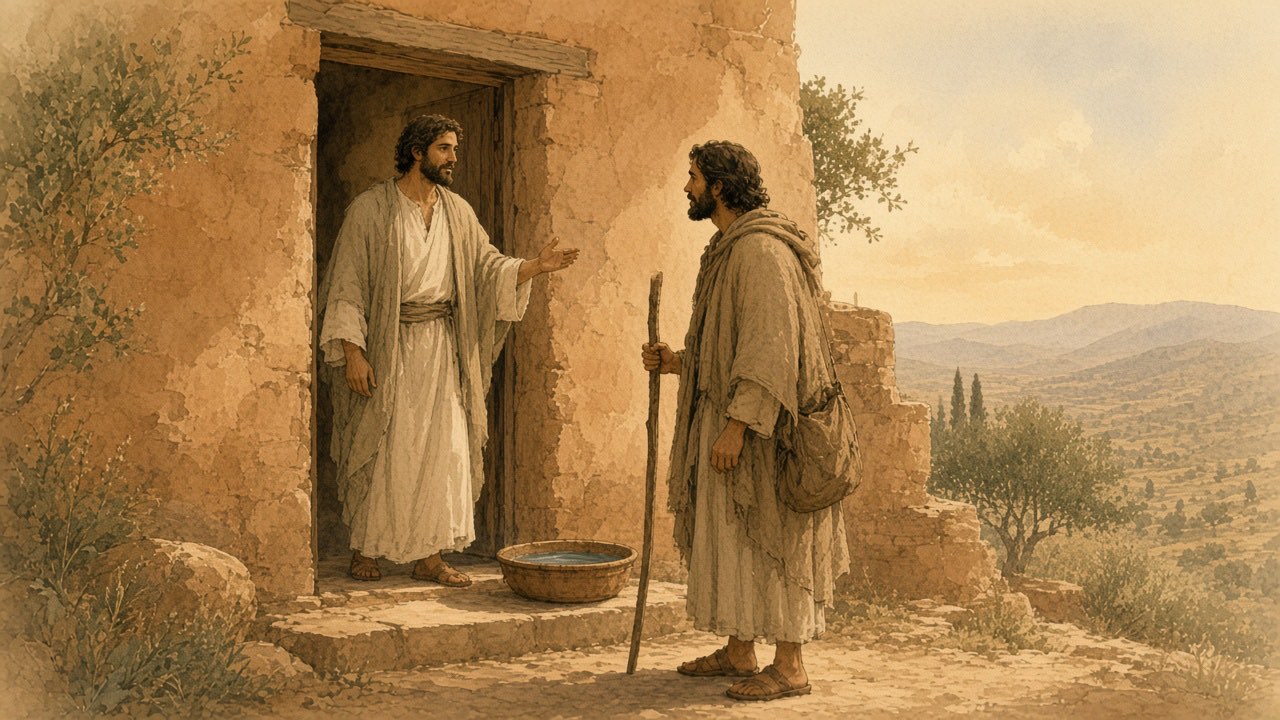
Grace of God is perhaps the most distinctively Christian concept in all of theology. Unlike any other religious system that demands human performance to earn divine favor, Christianity announces that salvation comes as a gift—unmerited favor freely given to undeserving sinners. This radical mercy flows from the heart of a loving God who pursues rebels and rescues enemies. Christian faith rests entirely on grace, and understanding this transforms everything about how we relate to God and others.
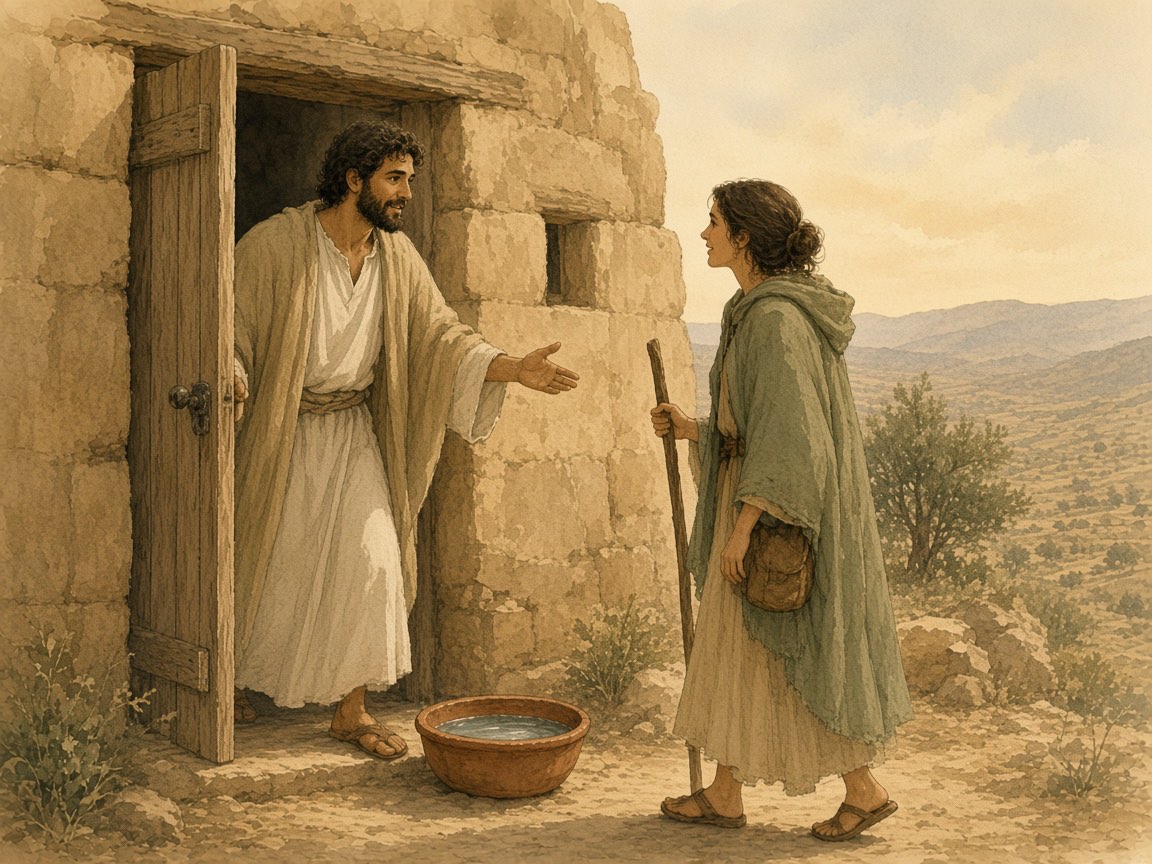
Love through grace becomes the defining characteristic of those who have received grace. Having experienced acceptance we didn't earn, we extend acceptance to others. Having been loved at our worst, we love others at their worst. Grace received becomes grace given, creating a cascade of unmerited favor that changes families, communities, and ultimately the world.
Key Scriptural Insights
1. Defining Grace: What It Means
The Greek word for grace (charis) carries rich meaning: favor, kindness, goodwill—specifically, goodwill extended to the undeserving. Several Scripture passages illuminate this definition:
Romans 11:6: "And if by grace, then it cannot be based on works; if it were, grace would no longer be grace." Grace and merit are mutually exclusive. The moment we add human contribution, it ceases to be grace.
Ephesians 1:7-8: "In him we have redemption through his blood, the forgiveness of sins, in accordance with the riches of God's grace that he lavished on us." Grace is not carefully measured out—it is "lavished," poured out abundantly.
Titus 2:11: "For the grace of God has appeared that offers salvation to all people." Grace is universal in its offer, extending to every person regardless of background, ethnicity, or past behavior.
Key aspects of grace:
- Unearned: We cannot work for it, deserve it, or repay it
- Undeserved: It comes to the guilty, not the worthy
- Unlimited: God's grace is sufficient for any sin, any sinner, any situation
- Initiating: God extends grace first; we respond to what He has done
2. Salvation by Grace Alone
The Protestant Reformation recovered the biblical teaching of sola gratia—salvation by grace alone. Several passages establish this truth beyond doubt:
Ephesians 2:8-9: "For it is by grace you have been saved, through faith—and this is not from yourselves, it is the gift of God—not by works, so that no one can boast." Every element of salvation is gift, including the faith by which we receive it.
Romans 3:23-24: "For all have sinned and fall short of the glory of God, and all are justified freely by his grace through the redemption that came by Christ Jesus." Justification—being declared righteous—comes freely by grace, not as wages for religious performance.
Romans 5:8: "But God demonstrates his own love for us in this: While we were still sinners, Christ died for us." God didn't wait for us to clean up our lives. He loved us and died for us in our most unlovable state.
This has profound implications:
- No room for boasting: We contribute nothing to our salvation
- Complete security: What God gives by grace cannot be lost by works
- Equal standing: Every believer comes to God the same way—empty-handed
- Freedom from performance: We serve out of gratitude, not to earn favor
3. Living in Grace
While salvation comes by grace apart from works, genuine grace produces transformation. Grace is not merely a doctrine to believe but a reality to live:
Titus 2:11-12: "For the grace of God has appeared that offers salvation to all people. It teaches us to say 'No' to ungodliness and worldly passions, and to live self-controlled, upright and godly lives in this present age."
Grace doesn't give license to sin—it teaches us to live differently. As Paul asked rhetorically, "Shall we go on sinning so that grace may increase? By no means!" (Romans 6:1-2).
2 Corinthians 12:9: When Paul pleaded for relief from his "thorn in the flesh," God replied: "My grace is sufficient for you, for my power is made perfect in weakness." Grace isn't just for salvation; it's for daily living, meeting us in weakness and providing strength.
Hebrews 4:16: "Let us then approach God's throne of grace with confidence, so that we may receive mercy and find grace to help us in our time of need." We have ongoing access to God's grace—not just at conversion, but continually.
Practical Application
How do we live as people of grace?
Rest in your position, not your performance. Your standing before God is based on Christ's work, not yours. When you fail—and you will—grace meets you. Stop striving for what's already yours.
Extend grace to others freely. Colossians 4:6 says, "Let your conversation be always full of grace." Since you've received grace, give grace. In marriage, parenting, friendship, and workplace, look for opportunities to extend undeserved favor.
Respond to failure with hope, not despair. When you sin, don't hide from God—run to Him. 1 John 1:9 promises forgiveness when we confess. Grace doesn't excuse sin, but it does cover sin and restore fellowship.
Avoid legalism and license. Legalism adds rules to grace; license subtracts responsibility from grace. Biblical grace both frees us from performance-based relationship with God and empowers transformed living.
Grow in grace. 2 Peter 3:18 commands: "But grow in the grace and knowledge of our Lord and Savior Jesus Christ." Grace isn't static—we can experience it more deeply as we mature.
Tell others about grace. The world is exhausted from trying to earn approval—from God, from others, from themselves. The announcement that God offers free acceptance through Christ is the best news anyone can hear.
Conclusion
Grace is Christianity's most subversive concept. It upends every religious system based on human effort. It humbles the self-righteous and lifts the broken. It offers salvation as gift, relationship as reality, and transformation as process.
If you've relied on your own righteousness, good news: you can stop performing. If you've despaired of ever pleasing God, good news: you can rest. If you've wondered whether grace could cover your sins, good news: it already has—in Christ.
May you receive grace deeply and extend it freely. For this is what God's love looks like: unmerited, undeserved, unlimited favor poured out on sinners like us.