The Biblical Perspective
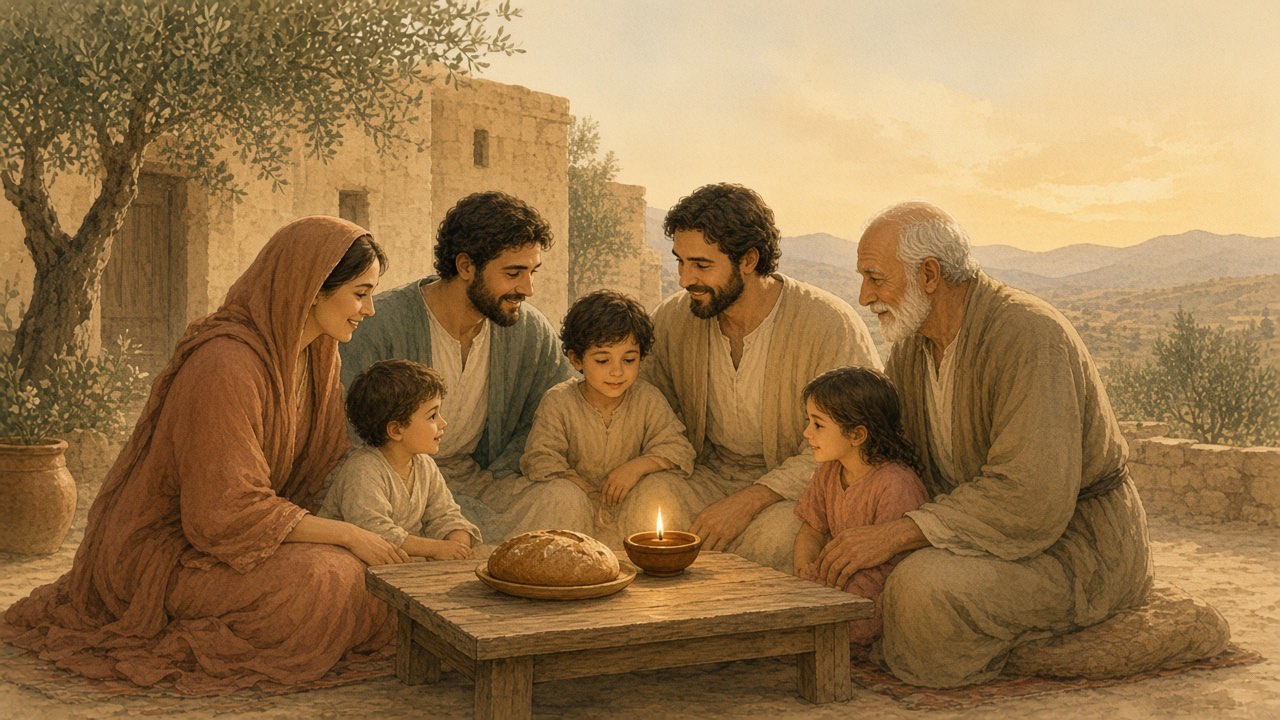
The family stands as God's first institution—established in Eden before government, church, or any other social structure. Scripture reveals that family relationships are not merely biological or social arrangements, but sacred bonds designed to shape our character, provide security, and reflect God's love to the world. A biblical family prioritizes honoring parents, nurturing children, and cultivating unity that mirrors the harmony within the Trinity itself.
In our fractured age, building a Christian household requires intentionality. Cultural forces pull families apart while competing priorities erode love at home. Yet God's Word offers both vision and practical wisdom for creating families that thrive. When we align our homes with biblical principles, we discover that family becomes not just a place of belonging, but a powerful training ground for faith, service, and love.
Key Scriptural Insights
1. God's Design for Family: The Genesis Foundation
Family began with God's pronouncement in Genesis 2:18: "It is not good for the man to be alone. I will make a helper suitable for him." From this statement, God created woman and established the first marriage, which became the foundation for all subsequent family relationships.
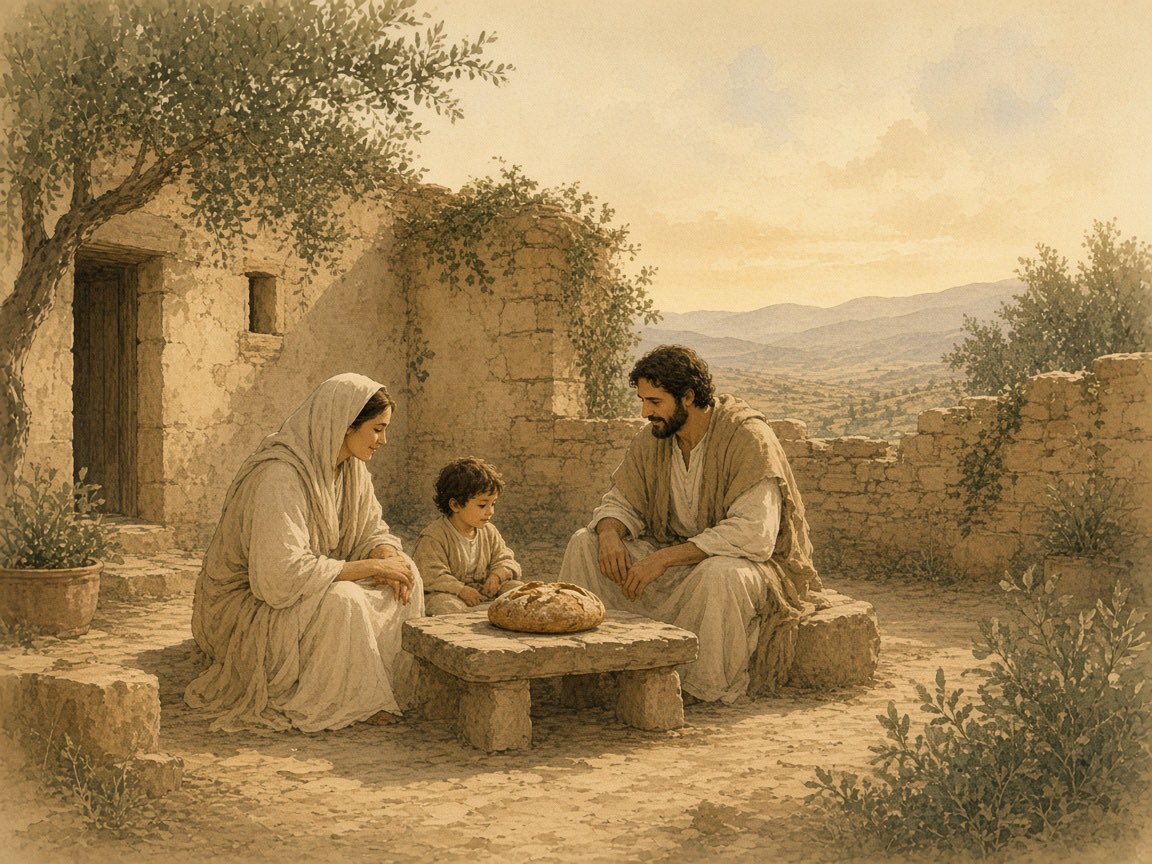
After the fall, family took on additional significance. Through families, God would preserve His people, transmit faith across generations, and ultimately bring forth the Messiah. Abraham was told, "All peoples on earth will be blessed through you" (Genesis 12:3)—a promise that would flow through his family line.
Several principles emerge from God's original design:
- Family reflects God's image. Genesis 1:27 says God created humanity "male and female" in His image. The family unit pictures something of God's relational nature.
- Family provides companionship. Before sin entered the world, God identified loneliness as "not good." Family meets our deep need for connection.
- Family multiplies blessing. God commanded Adam and Eve to "be fruitful and increase in number" (Genesis 1:28). Children are called "a heritage from the LORD" (Psalm 127:3).
- Family requires leaving and cleaving. Each new marriage creates a new primary family unit while maintaining appropriate honor for parents.
2. Instructions for Family Relationships: Ephesians and Colossians
The apostle Paul provides detailed instructions for family life in Ephesians 5:22-6:4 and Colossians 3:18-21. These parallel passages address each family role:
Husbands: "Love your wives, just as Christ loved the church and gave himself up for her" (Ephesians 5:25). Husbands lead through sacrificial, servant-hearted love—not domination.
Wives: "Submit yourselves to your own husbands as you do to the Lord" (Ephesians 5:22). This willing submission responds to a husband's sacrificial love, creating a beautiful dance of mutual service.
Children: "Obey your parents in the Lord, for this is right. 'Honor your father and mother'—which is the first commandment with a promise—'so that it may go well with you and that you may enjoy long life on the earth'" (Ephesians 6:1-3). Children demonstrate love through obedience and respect.
Fathers: "Do not exasperate your children; instead, bring them up in the training and instruction of the Lord" (Ephesians 6:4). Parents—fathers particularly—bear responsibility for spiritual formation, discipline balanced with encouragement.
These instructions are revolutionary in their mutual accountability. Each person within the family structure has responsibilities, and each is called to selfless love rather than selfish demands.
3. Deuteronomy 6: Passing Faith to the Next Generation
Among the most important family passages in Scripture is Deuteronomy 6:4-9, known as the Shema. Moses instructs Israel:
"Hear, O Israel: The LORD our God, the LORD is one. Love the LORD your God with all your heart and with all your soul and with all your strength. These commandments that I give you today are to be on your hearts. Impress them on your children. Talk about them when you sit at home and when you walk along the road, when you lie down and when you get up."
This passage reveals that faith formation happens primarily in the home, not outsourced to religious professionals. Parents are called to:
- Model love for God. Children learn most from what they observe, not just what they're told.
- Teach intentionally. "Impress them on your children" suggests deliberate instruction.
- Integrate faith into daily life. Faith discussions shouldn't be confined to formal settings but woven into everyday moments—meals, travel, morning and evening routines.
The family home becomes the primary seminary, with parents serving as the first and most influential teachers of faith.
Practical Application
How do we build families that reflect biblical values in today's world?
Prioritize family time intentionally. In our busy culture, family togetherness requires protection. Schedule regular meals together, weekly family nights, and shared traditions. Ecclesiastes 3:1 reminds us "there is a time for everything"—make sure family has protected time.
Create a culture of honor. Whether parent to child or child to parent, speak respectfully, express appreciation, and avoid criticism and contempt. Ephesians 4:29 applies directly to home: "Do not let any unwholesome talk come out of your mouths, but only what is helpful for building others up."
Practice forgiveness quickly. Families involve imperfect people living in close quarters—conflict is inevitable. Colossians 3:13 instructs: "Bear with each other and forgive one another if any of you has a grievance against someone. Forgive as the Lord forgave you." Don't let offenses accumulate.
Establish spiritual practices together. Pray as a family. Read Scripture together. Attend church together. Serve others together. These shared practices build spiritual unity and create formative memories.
Set healthy boundaries with extended family. While honoring parents remains a lifelong obligation, married couples must establish their own family unit as primary. Navigate relationships with in-laws and extended family with wisdom, honoring the "leave and cleave" principle.
Extend family beyond biology. The church is described as God's family (Ephesians 2:19). For those without traditional family structures—single adults, those estranged from relatives, or those who've experienced loss—the church community becomes family. Welcome others into your home and heart.
Conclusion
The family is God's masterpiece—an institution designed to nurture life, transmit faith, and display His love to the world. When husbands love sacrificially, wives respond with respect, children obey with honor, and parents disciple with patience, the home becomes a glimpse of God's kingdom on earth.
If your family is thriving, thank God and remain vigilant. If your family is struggling, take hope—God specializes in restoration. Whatever your family situation, commit today to building your home on the foundation of Scripture, saturating it with prayer, and filling it with the kind of love that reflects our heavenly Father's love for us.