The Biblical Perspective
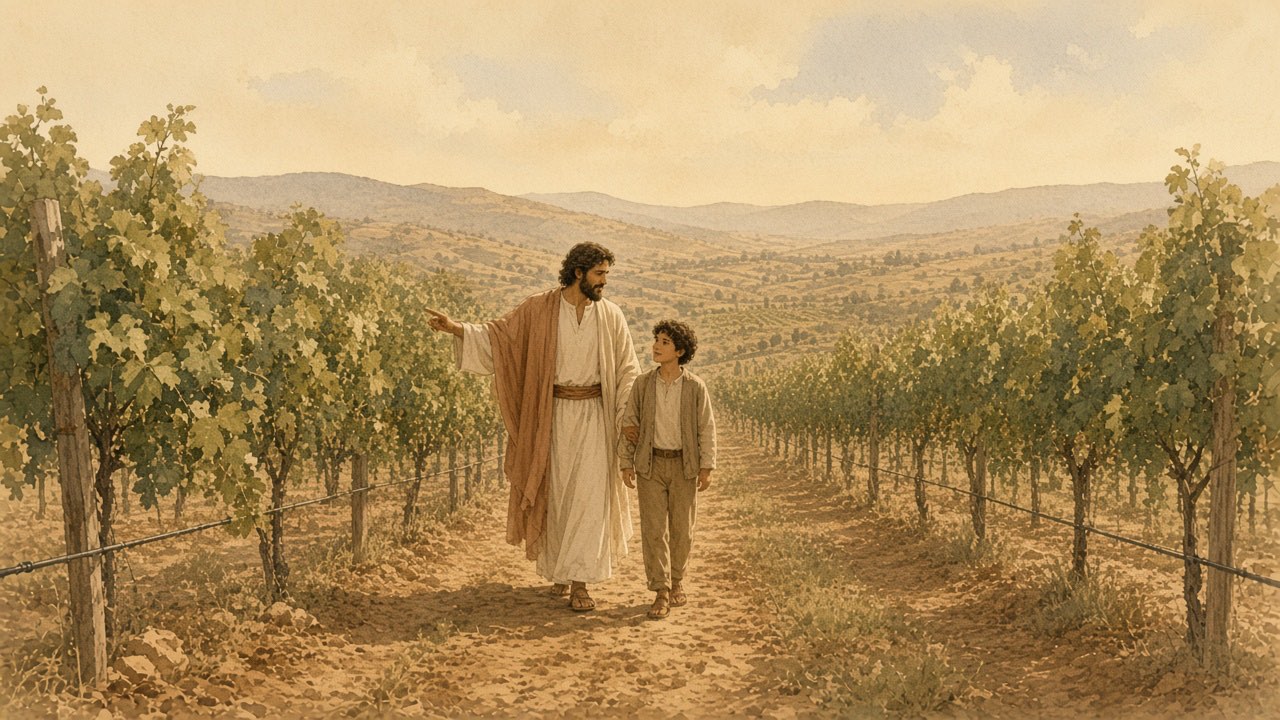
Discipline isn't opposed to love—it expresses love. Correction guides toward right paths. Training develops character. Parental discipline prepares children for life. Growth results from properly administered discipline. And loving guidance distinguishes discipline from punishment.
Our culture often equates love with permissiveness. Scripture presents a different picture: love that disciplines, corrects, and shapes—precisely because it cares about the person's ultimate good.
Key Scriptural Insights
1. God's Discipline: The Model
Divine discipline demonstrates perfect parental love:
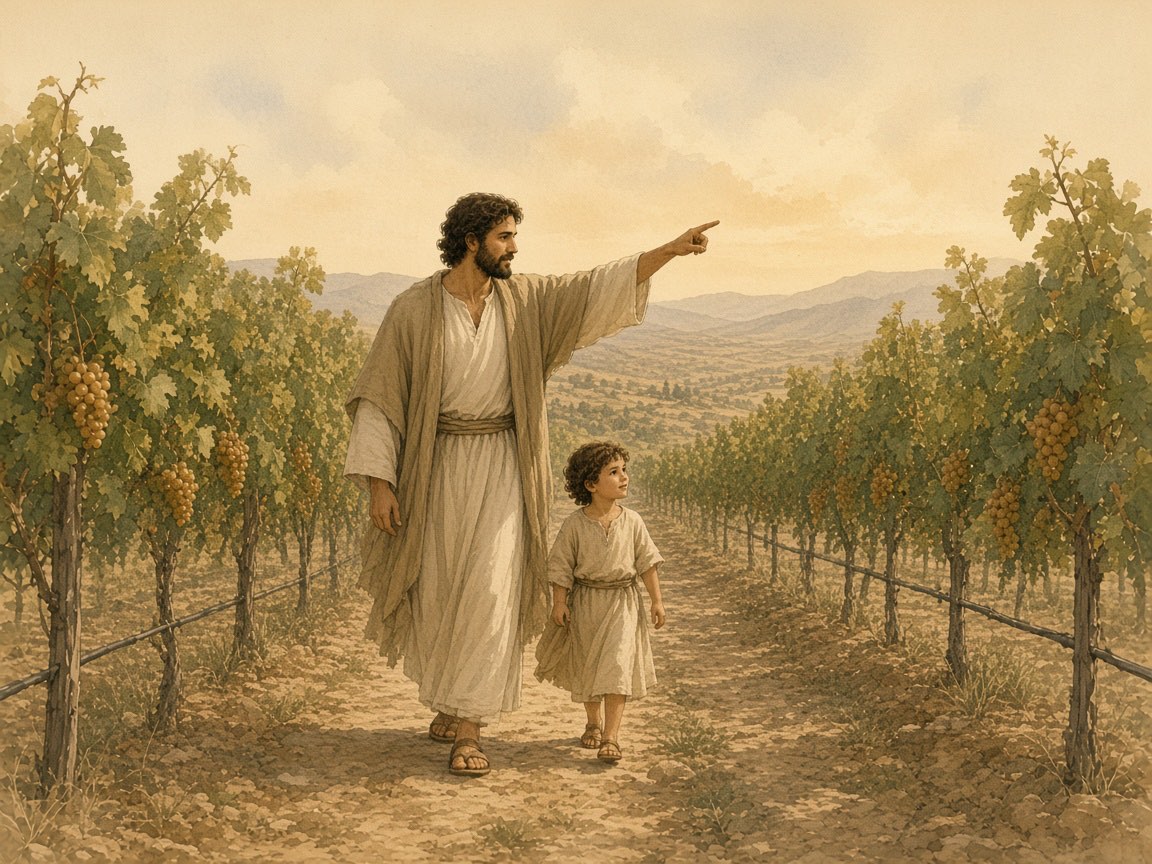
Hebrews 12:5-6: "My son, do not make light of the Lord's discipline, and do not lose heart when he rebukes you, because the Lord disciplines the one he loves, and he chastens everyone he accepts as his son."
Hebrews 12:10-11: "God disciplines us for our good, in order that we may share in his holiness. No discipline seems pleasant at the time, but painful. Later on, however, it produces a harvest of righteousness and peace."
Revelation 3:19: "Those whom I love I rebuke and discipline. So be earnest and repent."
God's discipline:
- Proves we're His children
- Aims for our good
- Produces holiness
- Yields righteousness and peace
2. Parental Discipline
Scripture instructs parents to discipline:
Proverbs 13:24: "Whoever spares the rod hates their children, but the one who loves their children is careful to discipline them."
Proverbs 22:6: "Start children off on the way they should go, and even when they are old they will not turn from it."
Proverbs 29:17: "Discipline your children, and they will give you peace; they will bring you the delights you desire."
Ephesians 6:4: "Fathers, do not exasperate your children; instead, bring them up in the training and instruction of the Lord."
Note Ephesians 6:4's balance: discipline that trains without exasperating.
3. Self-Discipline
Discipline extends to governing ourselves:
1 Corinthians 9:27: "I strike a blow to my body and make it my slave so that after I have preached to others, I myself will not be disqualified."
2 Timothy 1:7: "For the Spirit God gave us does not make us timid, but gives us power, love and self-discipline."
Titus 2:11-12: "The grace of God... teaches us to say 'No' to ungodliness and worldly passions, and to live self-controlled, upright and godly lives."
Practical Application
How do we practice loving discipline?
In parenting:
- Discipline early and consistently
- Explain the "why" behind correction
- Balance firmness with warmth
- Avoid anger-driven punishment
- Model what you require
- Praise as much as correct
In receiving discipline:
- Accept it as evidence of love
- Don't "make light of it" or "lose heart"
- Look for what God is teaching
- Trust the harvest it produces
In self-discipline:
- Establish healthy habits
- Set boundaries around temptations
- Pursue spiritual disciplines
- Let grace motivate, not guilt
Conclusion
Discipline is love in action—shaping, correcting, training for good. Without it, potential goes undeveloped and character remains unformed.
Embrace God's discipline as proof of His love. Discipline your children because you love them. Discipline yourself because you value growth.
The harvest comes later: righteousness, peace, maturity.