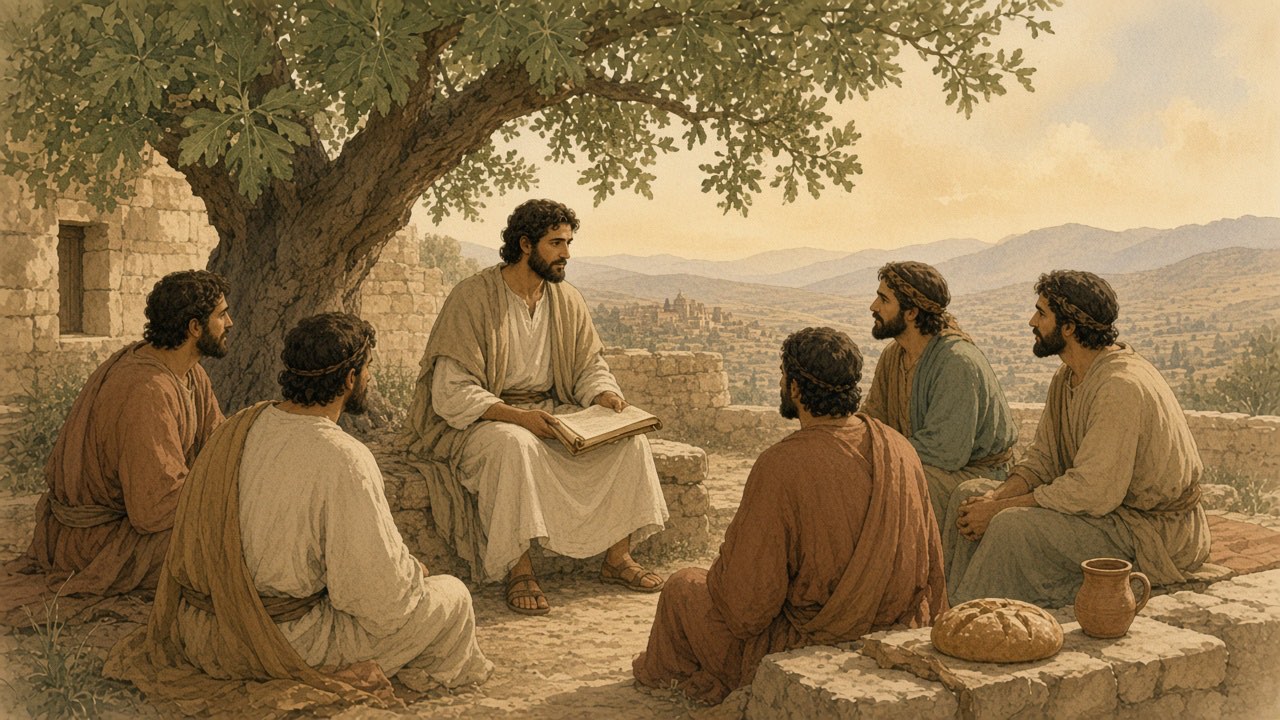
The Biblical Perspective
1 Corinthians 13 is Scripture's most concentrated teaching on love—the famous "Love Chapter." It describes patient love and kind love in unforgettable detail. It proclaims love's supremacy over spiritual gifts. It declares love's eternal nature when other things pass away. And it celebrates faith, hope, and love—with love as the greatest.
This chapter functions as Christianity's defining description of what love looks like in practice.
Key Scriptural Insights
1. Love's Necessity (verses 1-3)
Without love, even impressive abilities are nothing:
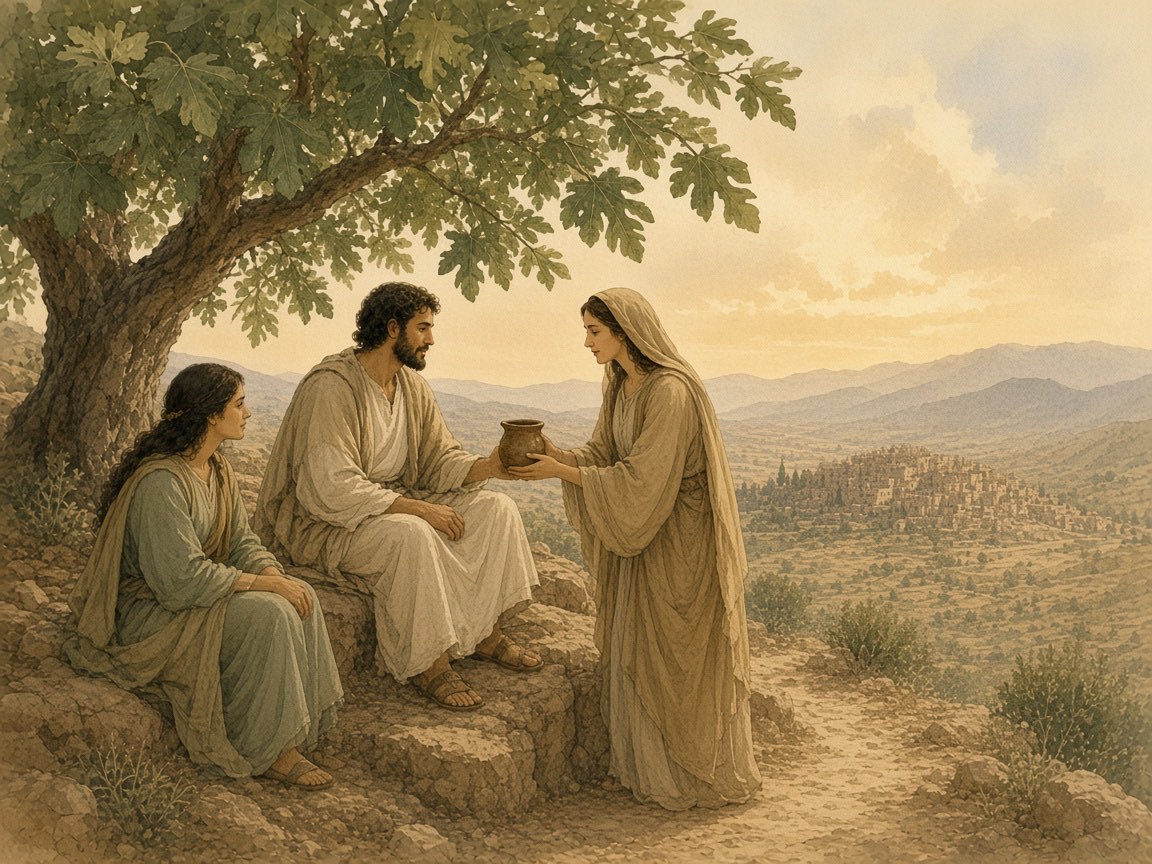
Verse 1: "If I speak in the tongues of men or of angels, but do not have love, I am only a resounding gong or a clanging cymbal."
Verse 2: "If I have the gift of prophecy and can fathom all mysteries and all knowledge, and if I have a faith that can move mountains, but do not have love, I am nothing."
Verse 3: "If I give all I possess to the poor and give over my body to hardship that I may boast, but do not have love, I gain nothing."
The point is clear: gifts, knowledge, faith, sacrifice—all worthless without love.
2. Love's Character (verses 4-7)
Paul describes love in action:
Verse 4: "Love is patient, love is kind. It does not envy, it does not boast, it is not proud."
Verse 5: "It does not dishonor others, it is not self-seeking, it is not easily angered, it keeps no record of wrongs."
Verse 6: "Love does not delight in evil but rejoices with the truth."
Verse 7: "It always protects, always trusts, always hopes, always perseveres."
Love's characteristics:
- Patient: slow to anger, long-suffering
- Kind: actively good toward others
- Not envious: not resenting others' blessings
- Not boastful: not self-promoting
- Not proud: humble
- Not dishonoring: respectful
- Not self-seeking: other-focused
- Not easily angered: slow to wrath
- No record of wrongs: forgiving
- Rejoices with truth: aligned with what's right
- Protects, trusts, hopes, perseveres: enduring
3. Love's Permanence (verses 8-13)
Love outlasts everything:
Verse 8: "Love never fails. But where there are prophecies, they will cease; where there are tongues, they will be stilled; where there is knowledge, it will pass away."
Verses 9-12: Present knowledge is partial; future knowledge will be complete. "Now we see only a reflection as in a mirror; then we shall see face to face."
Verse 13: "And now these three remain: faith, hope and love. But the greatest of these is love."
Why is love greatest? Faith becomes sight. Hope becomes reality. But love continues forever—into eternity, in God's presence.
Practical Application
How do we live 1 Corinthians 13?
Meditate on each quality. Take one characteristic per day. Where do you succeed? Where do you fail?
Personalize it. Replace "love" with your name: "[Your name] is patient, [your name] is kind..." How does that feel?
Recognize love's necessity. Your gifts mean nothing without love. Prioritize accordingly.
Pursue growth. Which aspect of love needs work? Focus intentional effort there.
Remember love lasts. In eternal perspective, love matters more than accomplishments or abilities.
Conclusion
First Corinthians 13 is Christianity's definitive portrait of love. It shows what love looks like, why love matters, and how love endures forever.
Read it slowly. Apply it personally. Let it shape who you're becoming.
And remember: the greatest of these is love.